
Beautiful Plants For Your Interior
Beautiful Plants For Your Interior
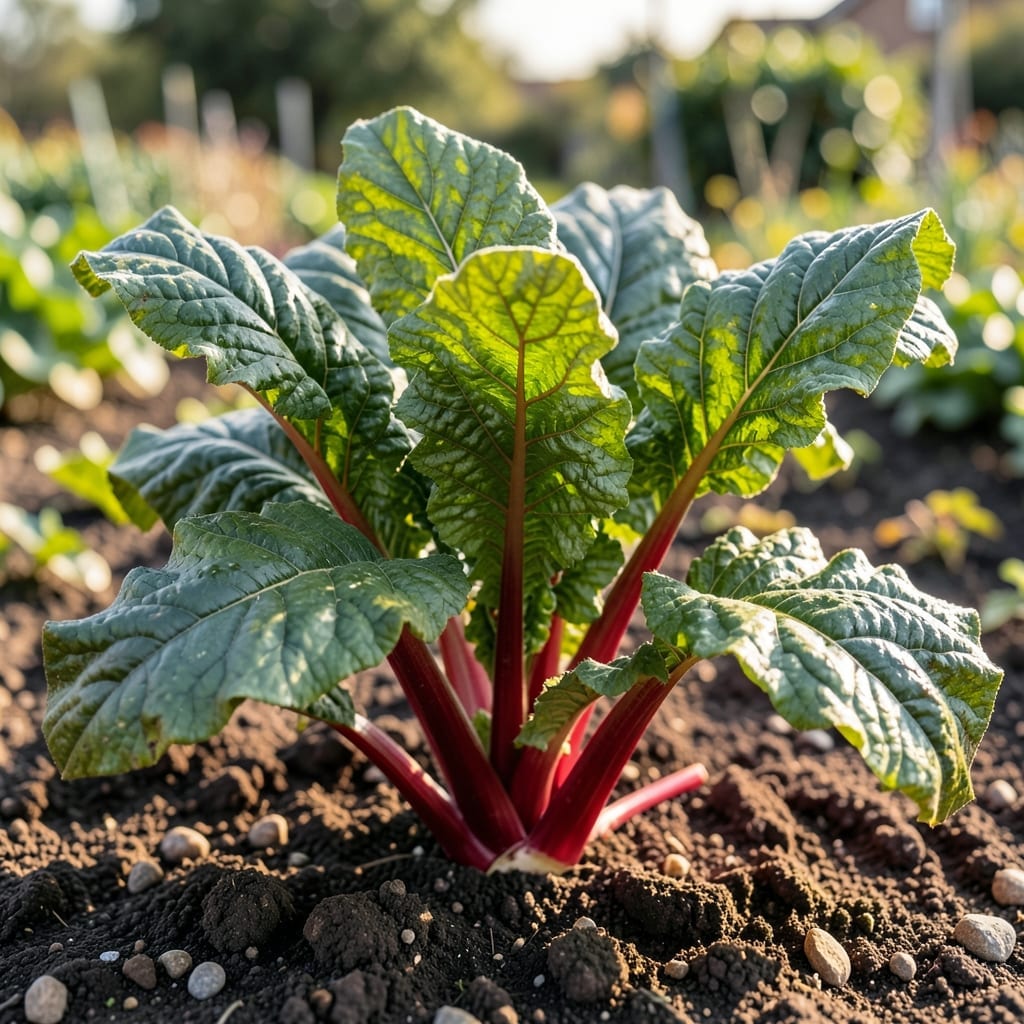
I learned the hard way that rhubarb leaves aren’t just bitter—they’re packed with oxalic acid that can make you seriously ill. The stalks are the only safe part, and I always double-check before harvesting.
After one accidental nibble, I now treat the leaves like poison ivy: admire from a distance, compost carefully, and never let them near the kitchen. Stick to those tart, crisp stalks and you’ll avoid any trouble.
📚 In This Guide
Understanding the risks and safe practices is essential when handling rhubarb plants.
Rhubarb leaves contain oxalic acid and anthraquinone glycosides, compounds that are toxic to humans and many animals. The leaves are not edible in any form—raw, cooked, or dried—because these toxins can cause severe poisoning, including nausea, vomiting, diarrhea, and even kidney damage or failure in extreme cases.
I always remove and discard the leaves immediately after harvesting the stalks. Even small amounts can be harmful, especially to children or pets who might accidentally ingest them. Never compost rhubarb leaves, as the toxins can persist and potentially contaminate other plants.
The edible part of the rhubarb plant is the stalk, which is safe to consume when prepared properly. To harvest, grasp the stalk near the base and pull it firmly while twisting slightly—this removes it cleanly without damaging the plant. Only take stalks that are 10-15 inches long and have a firm, crisp texture.
Avoid harvesting more than one-third of the plant’s stalks at a time to keep it healthy and productive. I like to harvest in the morning when the stalks are most hydrated and flavorful. Always leave at least a few stalks on the plant to support its growth.
Once harvested, trim off the leaf portion of the stalk immediately and discard it safely. Wash the stalks thoroughly under cool water to remove any dirt or debris. The stalks can be used fresh, frozen, or cooked into pies, jams, or sauces—but the leaves must never be part of the preparation.
If you’re new to growing rhubarb, it’s worth noting that the color of the stalk (red or green) doesn’t indicate toxicity. Both colors are safe to eat as long as they are the stalk portion. However, red stalks are often sweeter and more popular for culinary uses.
Fresh rhubarb stalks can be stored in the refrigerator for up to 2 weeks if wrapped in a damp paper towel and placed in a sealed container. For longer storage, chop the stalks into ½-inch pieces and freeze them in a single layer on a baking sheet before transferring to a freezer bag. This prevents clumping and makes it easy to grab small amounts for recipes.
When cooking with rhubarb, remember that its tart flavor pairs well with sweet ingredients like sugar, honey, or fruits such as strawberries. I always taste a small piece of raw stalk first to gauge its tartness—this helps me adjust sweetener levels in recipes.
Handling rhubarb safely requires careful attention to detail and proper techniques.
Safety First: Always wear gloves when working with rhubarb leaves, as the oxalic acid can irritate your skin with prolonged contact. I learned this the hard way after developing a mild rash. The fuzzy texture on the underside of the leaves is normal, but it’s another reason to handle them with care.
Complete Separation: In Step 2, make absolutely sure no green leaf tissue remains on the stalks. Even small fragments can contain enough oxalic acid to be harmful. I double-check each stalk under good lighting to catch anything I might have missed with the initial trim.
Proper Disposal: Never toss rhubarb leaves in with regular kitchen waste. Use a designated compost bin for non-edible plant material, and ensure your compost pile reaches high temperatures to properly break down the oxalic acid. This is especially important if you have pets or small children who might get into the trash.
Stalk Selection: For the best results in Step 3, choose stalks that are 10-15 inches long and ¾ to 1 inch thick. These are at peak tenderness. Discard any stalks that feel soft or mushy, as this indicates spoilage. The ½ inch trim from both ends is crucial for removing any lingering leaf toxins.
No, rhubarb leaves are not edible raw or cooked. They contain high levels of oxalic acid, which is toxic and can cause severe poisoning, kidney damage, or even be fatal if consumed in large quantities. Always discard the leaves and only use the stalks.
Rhubarb leaves contain oxalic acid and anthraquinone glycosides, which are toxic to humans and animals. These compounds can cause symptoms like nausea, vomiting, diarrhea, and difficulty breathing. The stalks, however, are safe to eat in moderation.
Use rhubarb leaves as compost (in moderation) or a natural insect repellent in your garden. Some gardeners also use them as a mulch to deter pests. Avoid burning them, as the smoke can be irritating.
Consuming just a small amount (e.g., a few bites) can cause mild poisoning symptoms. Eating larger quantities (e.g., 5-10 grams of leaves per kg of body weight) can be life-threatening. Seek medical help immediately if ingested.
Yes! If you need greens for cooking, try spinach, Swiss chard, or kale. For pest control, consider neem oil or diatomaceous earth. Always opt for known safe alternatives to avoid health risks.