
Beautiful Plants For Your Interior
Beautiful Plants For Your Interior
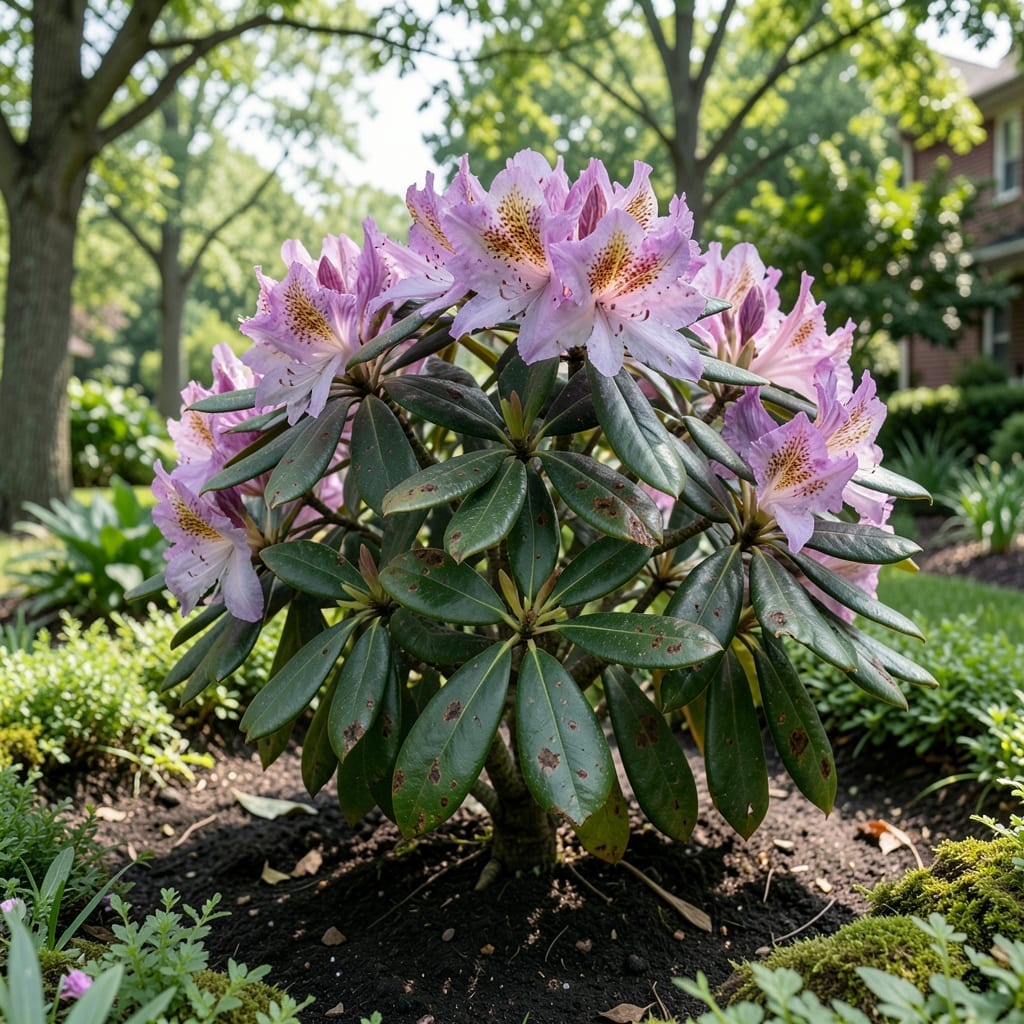
Spotted orange-brown splotches on your rhododendron leaves mean trouble. I first noticed this on my plants last spring, and ignoring it nearly cost me the entire bush.
The disease spreads fast, turning leaves yellow and stunting growth. Catching it early is key—most gardeners miss the first signs until it’s too late. You’ll want to inspect both leaf surfaces weekly during wet weather.
With the right treatment, your rhododendron can bounce back with vibrant green foliage by next season. I rescued mine using a simple 3-step approach that stops the rust in its tracks.
Works for all varieties, from dwarf shrubs to full-sized specimens. Here’s exactly how to save your plants.
Rhododendron rust, a common fungal disease, doesn’t appear out of nowhere. Understanding its root causes helps you prevent and manage it effectively. Below are the primary triggers behind those unsightly rust-colored spots on your rhododendron leaves.
Fungal spores thrive in damp conditions. Overhead watering, poor drainage, or prolonged rain can create the perfect breeding ground for Pucciniastrum vaccinii, the fungus responsible for rhododendron rust. Leaves that stay wet for 6+ hours are especially vulnerable. To counter this, water at the base of the plant and ensure good airflow around the foliage.
This fungus loves temperatures between 50–75°F (10–24°C) coupled with high humidity. Spring and early summer are peak seasons for rust development. If your climate fits this profile, stay vigilant—preventative fungicides (like copper-based sprays) can help shield your plants during these conditions.
Dense plantings or overcrowded garden beds trap moisture and restrict airflow, giving rust spores a cozy home. Prune nearby shrubs to improve ventilation, and space rhododendrons at least 3–4 feet apart. This simple step can significantly reduce infection risks.
Rhododendron rust often starts on alternate hosts like hemlock or spruce trees. Spores from these infected plants can travel via wind or splashing water to your rhododendrons. Inspect neighboring evergreens for rust signs (yellow-orange pustules) and treat them promptly to break the cycle.
Tackling rust on your rhododendron leaves starts with identifying the cause and applying the right fix. Below are practical solutions tailored to common issues, along with prevention tips to keep your plants thriving.
Rust thrives in damp, stagnant conditions. Prune overcrowded branches to allow air to flow freely between leaves. Space plants at least 3–4 feet apart to reduce humidity buildup. For potted rhododendrons, move them to a breezier spot or use a small fan on low to keep air moving.
Prevention tip: 💡 Thin out dense foliage annually to maintain good airflow.
Water at the base of the plant using a soaker hose or drip irrigation to keep leaves dry. Avoid overhead watering, especially in the evening, as wet leaves overnight invite rust. Water deeply but less frequently—aim for 1–2 times per week, depending on rainfall.
Prevention tip: 🌡️ Use a moisture meter to check soil dampness before watering.
For active rust spots, remove infected leaves immediately and discard them (do not compost). Treat the plant with a copper-based fungicide or neem oil, following label instructions. Apply in the early morning or late afternoon to avoid leaf burn.
Prevention tip: ✨ Spray preventatively every 2–3 weeks during humid seasons.
Weak plants are more susceptible to rust. Apply a balanced, acid-loving plant fertilizer (e.g., 10-10-10 for rhododendrons) in early spring and again after flowering. Ensure the soil pH is between 4.5–5.5—test with a kit and amend with sulfur or lime if needed.
Prevention tip: 🎯 Mulch with pine bark or needles to maintain acidic soil naturally.
Yes, rust spores travel easily via wind or splashing water. Isolate infected plants and treat immediately to prevent spreading.
Neem oil works as a preventative and mild treatment for early rust. Apply every 7-10 days during humid weather for best results.
Without treatment, rust can defoliate a rhododendron in 2-3 weeks during ideal fungal conditions. Act at the first sign of orange spots.
Yes, remove and destroy (not compost) all spotted leaves immediately. This reduces spores and helps fungicides work more effectively.