
Beautiful Plants For Your Interior
Beautiful Plants For Your Interior
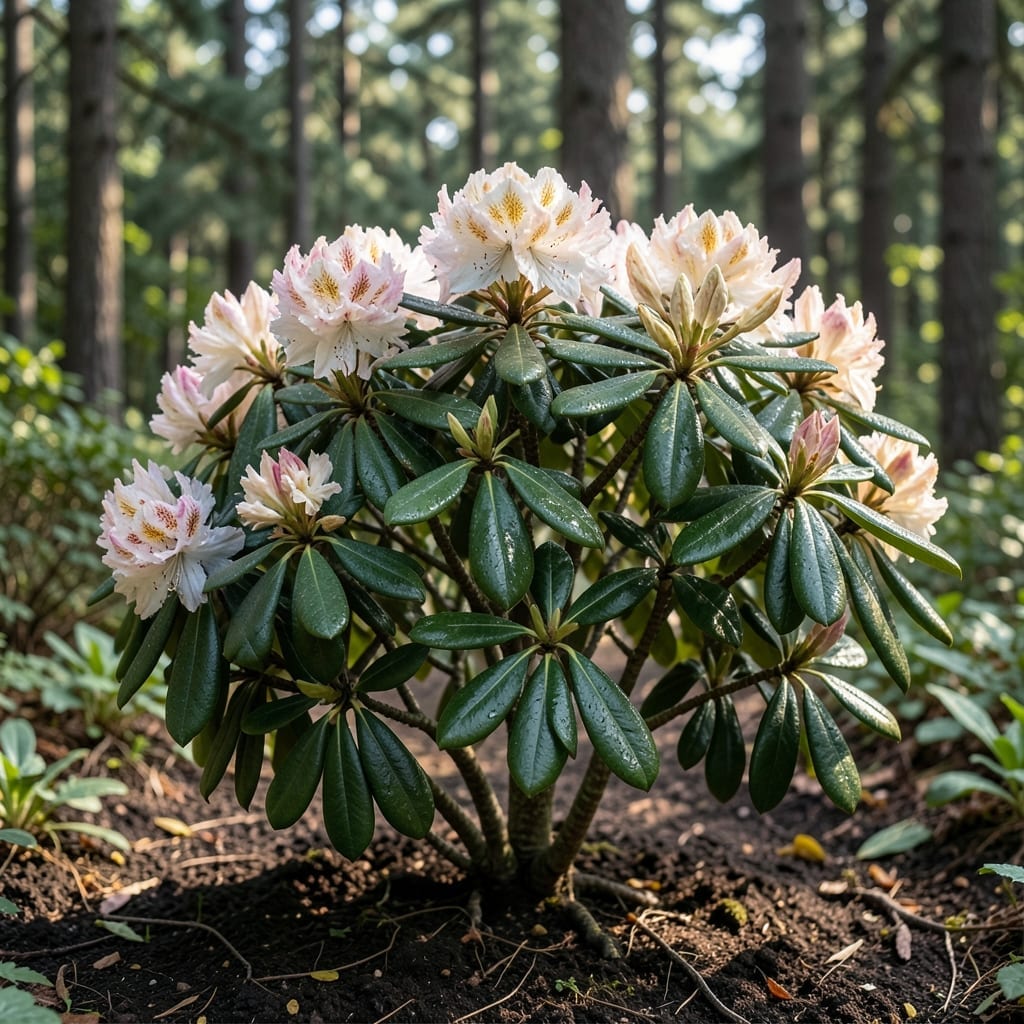
Those curled leaves on your rhododendron aren’t just ugly—they’re a cry for help. I’ve seen this 100 times in my own garden, and it always comes down to one of three issues: water stress, pests, or environmental shock.
Most people jump to pesticides, but the fix is usually simpler. Check your soil first—dry or waterlogged roots both cause curling. Then look for aphids or lace bugs, which love to hide underneath those tight leaves.
Once you address the root cause, you’ll see improvement within 3-5 days. The leaves unfurl, color returns, and your plant gets back to its glossy, vibrant self.
Works for all rhododendron varieties, from dwarf to towering. Here’s exactly how to diagnose and fix it.
Rhododendron leaves curl as a stress response to environmental or biological triggers. Here are the most common causes, explained with actionable insights:
Sudden cold snaps or heatwaves force leaves to curl inward to reduce surface area and minimize moisture loss. Rhododendrons thrive in 60–70°F (15–21°C); below 20°F (-7°C), frost damage triggers protective curling. Conversely, heat stress above 85°F (29°C) causes wilting and edge curl.
Both underwatering and overwatering disrupt leaf turgor pressure. Drought leads to dry, crispy curl, while soggy roots suffocate the plant, prompting limp, yellowing curls. Check soil moisture 2 inches deep—it should feel like a damp sponge.
Pro tip: Mulch with pine bark to retain moisture and regulate soil temperature.
Aphids, lace bugs, and spider mites suck sap from leaves, causing dehydration and curling. Inspect undersides for webbing (mites), white casts (lace bugs), or sticky residue (aphids). Neem oil or insecticidal soap can disrupt their lifecycle.
Phytophthora root rot and powdery mildew stress the plant, leading to curled, discolored leaves. Root rot thrives in waterlogged soil, while mildew appears as a white powder on foliage. Improve drainage and air circulation to prevent these pathogens.
Rhododendrons need acidic soil (pH 4.5–6.0). Alkaline soil locks out iron and magnesium, causing interveinal chlorosis (yellowing between veins) and leaf curl. Test soil pH and amend with sulfur or peat moss. A lack of potassium or phosphorus may also trigger curling.
Addressing curled leaves on your rhododendron starts with identifying the root cause. Here’s a straightforward guide to nursing your plant back to health:
Fix: Check the soil moisture 2 inches deep. If it’s bone-dry, water deeply until it drains from the bottom. If soggy, let it dry out and improve drainage by adding organic matter like compost. Water when the top inch of soil feels dry.
Prevention tip: 💡 Use a moisture meter to avoid guesswork. Mulch around the base to retain consistent moisture.
Fix: Shield plants from extreme heat or cold. Move potted rhododendrons to a shaded area during heatwaves or cover them with burlap in freezing weather. For in-ground plants, apply a thick layer of mulch to insulate roots.
Prevention tip: 🌡️ Plant in a location with dappled shade and stable temperatures. Avoid south-facing walls or low-lying frost pockets.
Fix: Inspect the undersides of leaves for pests like spider mites or lace bugs. Spray with neem oil or insecticidal soap, focusing on the leaf undersides. Repeat every 5–7 days until pests are gone.
Prevention tip: ✨ Encourage beneficial insects like ladybugs by planting companion flowers nearby. Keep the area free of leaf litter.
Fix: Test your soil’s pH (rhododendrons prefer 4.5–5.5). If it’s off, amend with sulfur to lower pH or lime to raise it. Use an acid-loving plant fertilizer to replenish nutrients like iron or magnesium.
Prevention tip: 🎯 Fertilize in early spring and late fall with a balanced, slow-release formula made for acid-loving plants.
With these targeted fixes, your rhododendron’s leaves should unfurl and return to their vibrant, healthy state in no time!
Most rhododendrons show improvement within 3-5 days once the underlying problem is addressed. Severe cases may take up to 2 weeks for full recovery. Consistency in care is key to speedy healing.
Yes, but at reduced efficiency. Curled leaves have less surface area exposed to sunlight, limiting their ability to produce energy. Addressing the curl quickly helps restore normal function.
No, it’s often an environmental response. While pests and diseases can cause curling, it’s more commonly triggered by water stress or temperature extremes. Always check the simplest causes first.
Maintain consistent moisture with 2-3 inches of mulch. Monitor soil pH and fertilize twice yearly with acid-loving plant food. Regular inspections help catch issues early.