
Beautiful Plants For Your Interior
Beautiful Plants For Your Interior
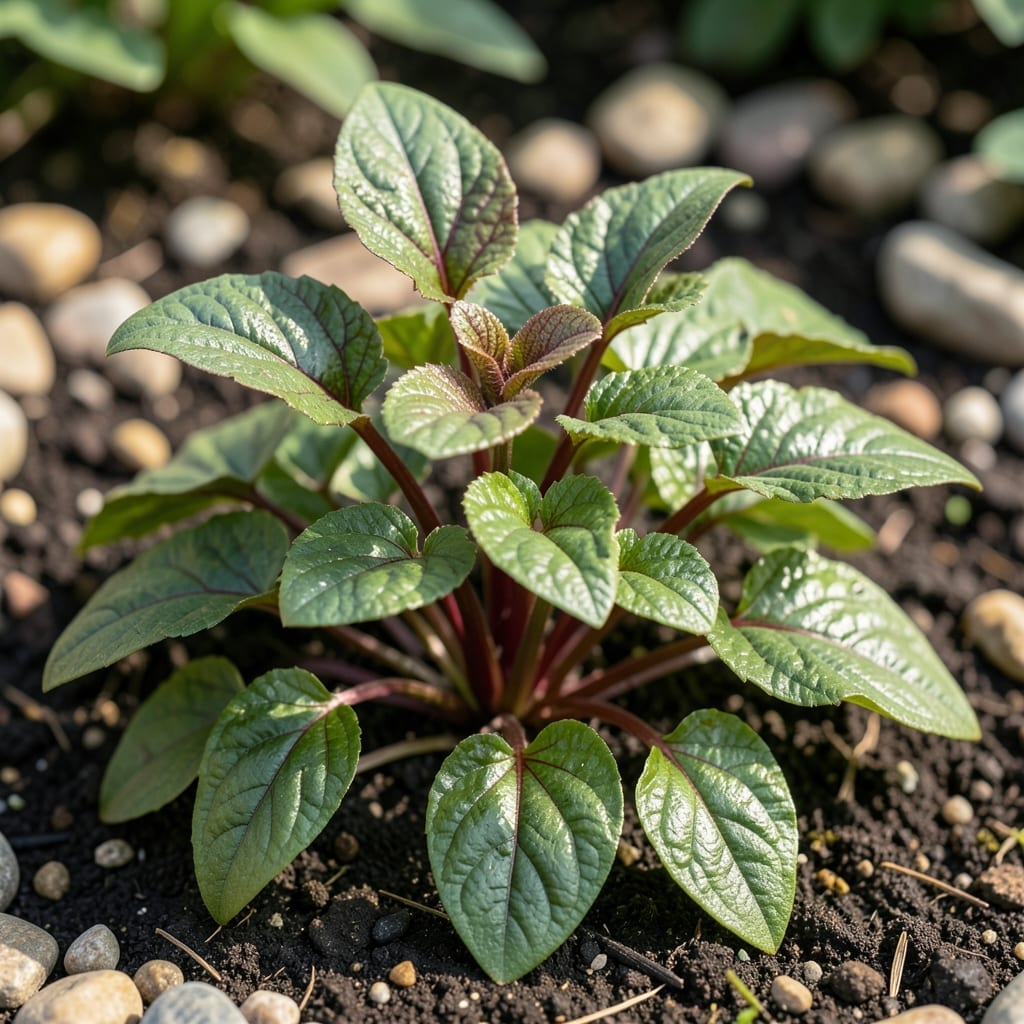
Red sorrel brings a lemony zing to any garden patch. I planted my first row last spring and was shocked by how quickly it took off with minimal fuss.
This hardy green thrives in partial shade and handles dry spells better than most lettuces. You’ll get tender leaves for months, perfect for fresh salads and garnishes.
📚 In This Guide
Here’s the method I use to grow these vibrant, lemony greens with minimal fuss.
Select a spot with partial shade to full sun, though afternoon shade is ideal in hotter climates. Red sorrel thrives in 65-75°F temperatures, so a location protected from harsh midday heat works best. I’ve found that east-facing beds often provide the perfect balance of light and protection.
Ensure the soil is well-draining and rich in organic matter. If your garden soil is heavy or clay-like, amend it with compost or aged manure to improve texture. Sorrel prefers slightly acidic to neutral soil, around 6.0-7.0 pH.
Sow seeds ¼ inch deep and 12-18 inches apart in rows spaced 18-24 inches apart. If you’re planting transplants, space them slightly closer, about 12 inches apart. I like to plant seeds in early spring or late summer for a fall harvest—this timing avoids the stress of extreme heat.
Lightly cover the seeds with soil and water gently to avoid dislodging them. Keep the soil consistently moist but not waterlogged during germination, which typically takes 7-14 days. You’ll know it’s time to water again when the top inch of soil feels dry to the touch.
Once established, red sorrel is moderately drought-tolerant, but consistent moisture produces the most tender leaves. Water deeply 1-2 times per week, depending on rainfall and soil conditions. The goal is to keep the soil evenly moist, but not soggy—overwatering can lead to root rot.
Apply a 2-3 inch layer of organic mulch around the plants to retain moisture, suppress weeds, and regulate soil temperature. Straw or shredded leaves work well. I refresh the mulch every 4-6 weeks to maintain its effectiveness and keep the soil cool.
Red sorrel isn’t a heavy feeder, but a light application of balanced fertilizer (like 10-10-10) every 4-6 weeks encourages steady growth. I prefer a liquid fertilizer diluted to half strength for a gentle, consistent boost. Avoid over-fertilizing, as this can lead to excessive leafiness with a loss of that signature tangy flavor.
Keep the garden bed free of weeds, which compete for nutrients and water. Hand-pull weeds as they appear, or use a shallow hoe to avoid disturbing the sorrel’s shallow roots. This plant grows quickly, so regular maintenance prevents weeds from taking over.
Begin harvesting leaves when the plants are 6-8 inches tall, usually about 60-70 days after sowing. Use clean scissors or your fingers to snip or pinch off the outer leaves, leaving the inner growth to continue developing. This method allows for continuous harvesting throughout the growing season.
Regular harvesting encourages bushier growth and prevents the plant from bolting (going to seed) too quickly. If you notice flower stalks forming, cut them back promptly to redirect energy into leaf production. With proper care, you can enjoy fresh, tangy red sorrel leaves for months.
Growing these tangy greens gets easier when you know what to watch for.
Soil Drainage Test: That 1-foot hole test in Step 1 is critical. If water doesn’t drain within the 1 hour, amend your soil with compost or aged manure as suggested. Soggy roots are the quickest way to lose your plants.
Planting Depth Matters: When sowing seeds in Step 2, don’t bury them deeper than the ¼ inch specified. Too deep and they may not germinate. I learned this the hard way after losing an entire row to over-enthusiastic planting.
Watering Wisdom: The first 2 weeks after planting require consistent moisture to a depth of 1 inch. After establishment, stick to that 1 inch of water weekly rule from Step 3. Morning watering is non-negotiable—it prevents fungal issues that can wipe out your crop overnight.
Harvesting Strategy: When plants reach 6 inches tall at 60-70 days, start harvesting outer leaves first as described in Step 5. This method gives you a continuous supply. Never take more than one-third of the plant at once—this stress can set back growth for weeks.
Plant seeds in well-drained soil with partial sunlight. Keep the soil moist but not soggy, and thin seedlings to 12 inches apart. Harvest leaves when young for the best tangy flavor!
Harvest leaves in the morning for peak freshness, typically 6–8 weeks after planting. Avoid picking more than one-third of the plant at once to encourage regrowth.
Try spinach or Swiss chard for texture, though they lack the tangy kick. For a similar sour taste, add a splash of lemon juice or vinegar to dishes.
Yellowing leaves often mean overwatering or poor drainage. Check soil moisture and ensure pots have drainage holes. Nutrient deficiencies can also cause this—fertilize lightly if needed.