
Beautiful Plants For Your Interior
Beautiful Plants For Your Interior
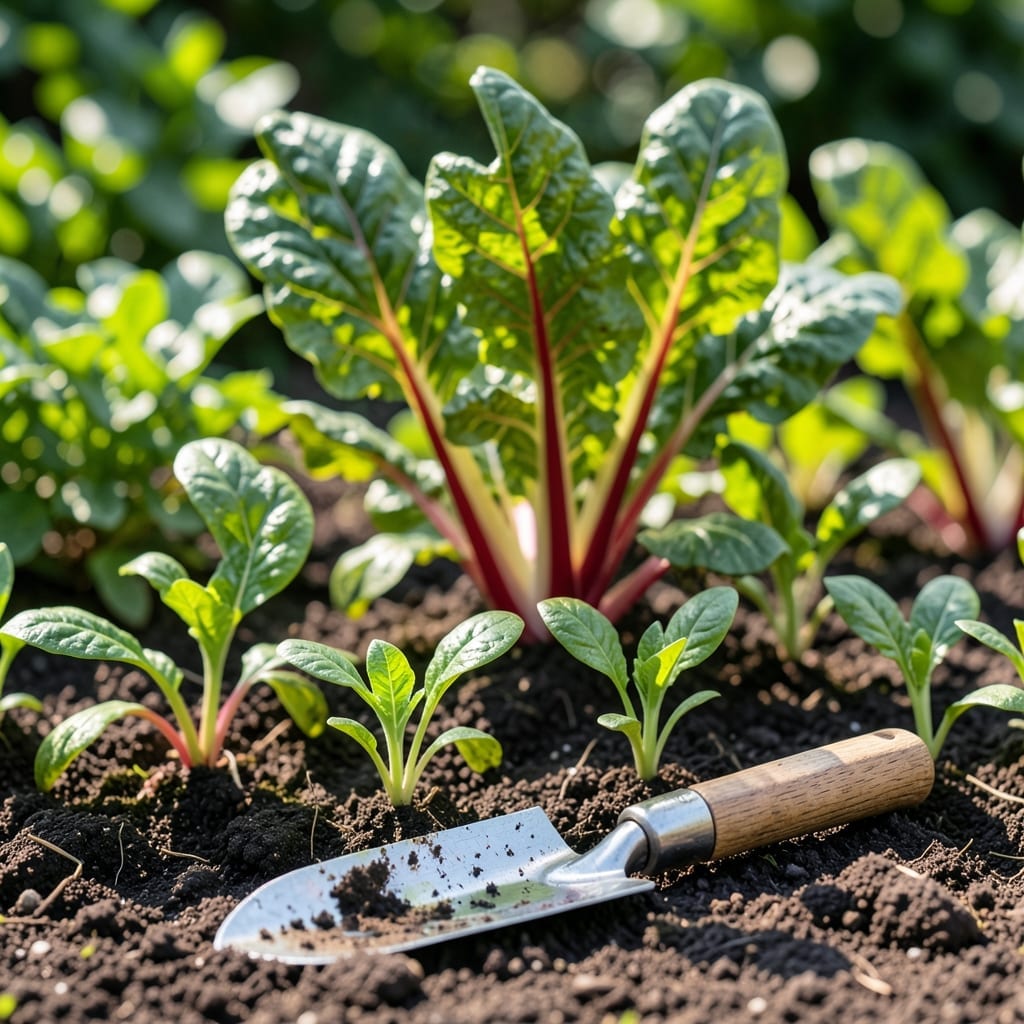
Timing is everything when it comes to growing vibrant Swiss Chard 🥬 in Zone 8. Plant too early or too late, and you might miss out on the best harvest of the season.
I’ve learned through trial and error that this cool-weather crop thrives in mild temperatures. The key is knowing when to start—before the heat of summer or the chill of winter sets in.
Whether you’re planting in early spring or late summer, Swiss Chard rewards patience. Discover how to align your efforts with Zone 8’s unique climate for a garden full of fresh, flavorful greens.
From soil prep to frost dates, I’ll walk you through the essentials. Let’s make this your most successful growing season yet.
In Zone 8, Swiss chard thrives with two distinct planting windows. The spring window runs from February to April, taking advantage of the mild climate before summer heat arrives. This timing allows plants to establish strong roots early.
For a fall harvest, aim to plant between August and October. This gives Swiss chard 6-8 weeks before the first frost, which typically hits around November 15 in Zone 8. The cooler temperatures enhance flavor and leaf texture.
| Season | Planting Window | Soil Temp | Harvest Time |
|---|---|---|---|
| Spring | Feb-Apr | 40-85°F | Apr-Jun |
| Fall | Aug-Oct | 40-85°F | Oct-Dec |
I’ve found that soil temperature is critical for germination. Swiss chard seeds sprout best when soil is between 40-85°F. In Zone 8, this is easily achieved in both spring and fall, but I recommend using a soil thermometer to confirm conditions.
Early spring planting, about 4-6 weeks before the last frost (around March 15), gives you a head start. The plants will mature as temperatures rise, but watch for bolting if summer heat arrives too quickly. Mulching can help regulate soil temperature.
For fall planting, I suggest starting seeds indoors in late July if you want to get a jump on the season. Transplant them outdoors in August. This method ensures strong seedlings before the cooler weather slows growth.
Spacing is another key factor. Plant seeds 12-18 inches apart to allow for proper air circulation and growth. If you’re planting in rows, keep rows 18-24 inches apart to make harvesting easier.
I always remind gardeners that Swiss chard is cold-hardy. It can tolerate light frosts, which actually sweeten the leaves. This makes it perfect for extending your growing season in Zone 8, where winters are generally mild.
In my experience, succession planting works well with Swiss chard. Sow a new batch every 2-3 weeks during the planting windows to ensure a continuous harvest. This way, you’ll always have fresh leaves ready to pick.
Remember that well-draining soil rich in organic matter will give your Swiss chard the best start. I like to amend my beds with compost before planting to provide essential nutrients for robust growth.
Finally, keep an eye on pests like leaf miners and aphids, which can be problematic in Zone 8. Regular inspections and organic pest control methods, such as neem oil, can keep your plants healthy throughout the season 🌱
Growing Swiss chard in Zone 8 is rewarding if you follow a few key practices. I always start by preparing well-draining soil rich in organic matter. This ensures roots have access to nutrients and moisture without waterlogging.
Spacing matters too. Plant seeds 12-18 inches apart in rows 18-24 inches apart for optimal air circulation. This prevents disease and makes harvesting easier as plants mature.
I’ve learned that consistent moisture is critical. Water deeply once a week or more during dry spells. Mulching with straw or leaves helps retain soil moisture and keeps roots cool in summer.
Bolting can be an issue in Zone 8’s summer heat. To prevent this, I plant in partial shade during the hottest months or use shade cloth. This keeps the soil cooler and extends the growing season.
For best results, harvest outer leaves first, allowing the inner leaves to continue growing. This method provides a continuous harvest for weeks. Swiss chard is cold-hardy, so don’t rush to pull plants at the first light frost.
Finally, keep an eye out for pests like aphids and leaf miners. I use neem oil or insecticidal soap for control. Regular inspections help catch problems early, ensuring healthy plants throughout the season 🌱