
Beautiful Plants For Your Interior
Beautiful Plants For Your Interior
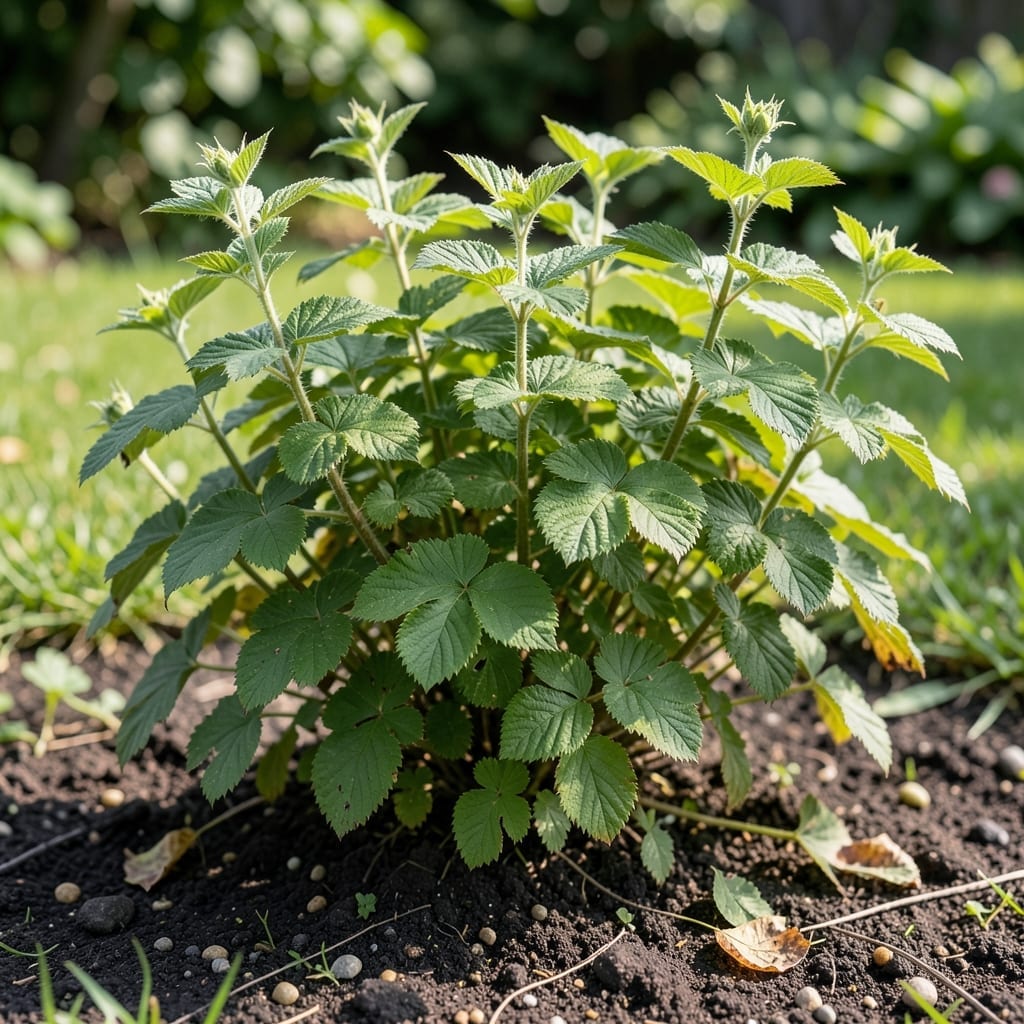
Those raspberry bush leaves might look harmless, but here’s the thing—they carry some surprises. I learned the hard way that not all foliage is as friendly as it seems.
You’ll spot trouble by noticing wilting, spots, or unusual colors. The fix often starts with better airflow and consistent watering. Healthy leaves mean a productive harvest down the line.
📚 In This Guide
Here’s how I safely identify and handle raspberry bush leaves to avoid any risks.
Look for compound leaves with 3-5 leaflets each, arranged in a palmate pattern. The leaflets have serrated edges and a slightly fuzzy texture on the underside. Raspberry canes are thorny, so I always wear gloves when examining the foliage closely.
Leaves are bright green when young, darkening to deep green as they mature. The veins are prominent and lighter in color than the leaf surface. If you see this combination with red or purple stems, you’re likely looking at a raspberry bush. Never taste the leaves to confirm—visual identification is enough.
Raspberry leaves contain trace amounts of cyanogenic glycosides, which can release cyanide in very large quantities. However, the levels are so low that accidental ingestion of a few leaves poses minimal risk. The greater danger comes from misidentifying the plant—wild raspberry lookalikes like blackberry or dewberry are safe, but others may not be.
I never consume raw raspberry leaves in significant amounts, especially from wild plants. Dried leaves used for tea are generally considered safe in moderation, but I avoid them entirely if I’m unsure of the plant’s history or exposure to pesticides. When in doubt, I stick to the berries.
Always wear long sleeves and gardening gloves when pruning or handling raspberry canes. The thorns can scratch skin, and broken leaves may release sap that irritates. I use bypass pruners for clean cuts, which helps minimize damage to both the plant and my hands.
If you’re removing leaves for composting or cleanup, place them directly into a sealed bag or bin. Avoid touching your face or mouth afterward until you’ve washed your hands thoroughly with soap and water. This prevents any accidental transfer of plant residue.
Never burn raspberry leaves, as the smoke can be irritating. Instead, I compost them in small quantities, layering with other green materials to balance the carbon-to-nitrogen ratio. If the plants were treated with herbicides or pesticides, I dispose of the leaves in the trash instead.
For large pruning projects, I chip the canes and leaves together for mulch in non-edible garden areas. This keeps the material out of landfills while still putting it to use. Always check local regulations, as some areas restrict composting certain plant materials.
If children or pets frequent your garden, I recommend fencing off raspberry patches to prevent accidental ingestion. I also take time to educate family members on identifying raspberry leaves versus other plants, emphasizing that berries are safe but leaves are not for eating.
For public or community gardens, clear signage helps avoid confusion. A simple label like “Raspberry Canes – Berries Only” keeps everyone informed. I’ve found that a little education goes a long way in preventing mishaps.
These practical insights will help you handle this plant safely and confidently.
Identification Clarity: In Step 1, focus on the distinct 3-5 leaflets arranged palmately with serrated edges and fuzzy undersides. I’ve found that the combination of these features plus red or purple stems is the most reliable visual confirmation. Never rely on leaf shape alone—always check the full set of characteristics.
Risk Awareness: As mentioned in Step 2, while accidental ingestion of a few leaves poses minimal risk, the real danger lies in misidentification. I always cross-reference with multiple plant guides before making any assumptions about wild plants. When in doubt, err on the side of caution and avoid contact entirely.
Safety Protocol: Step 3 emphasizes wearing long sleeves and gardening gloves, and I can’t stress this enough. The thorns are sharp, and the sap can cause irritation. I also keep a pair of bypass pruners dedicated to raspberry canes—they make clean cuts that reduce both plant damage and personal injury risk.
Disposal Wisdom: For Step 4, remember that composting is only safe for untreated plants. I maintain a separate compost bin for non-edible garden waste, which prevents any accidental mixing with food scraps. For treated plants, sealed trash disposal is the only responsible option.
Yes, raspberry leaves contain small amounts of cyanogenic glycosides, which can release cyanide in large quantities. While fresh leaves in small amounts are sometimes used in teas, it’s best to avoid consuming them raw or in excess.
Yes, dried raspberry leaves are commonly used for herbal tea, especially during pregnancy for uterine toning. Ensure they’re properly dried and sourced from pesticide-free bushes to minimize risks.
If you consume a small amount, monitor for symptoms like nausea or dizziness. For large quantities or severe reactions, seek medical help immediately. Stay calm and avoid further consumption.
For tea, consider peppermint or chamomile as safer alternatives. If you’re using leaves for compost, they’re fine in small amounts, but avoid large quantities to prevent toxicity in plants.