
Beautiful Plants For Your Interior
Beautiful Plants For Your Interior
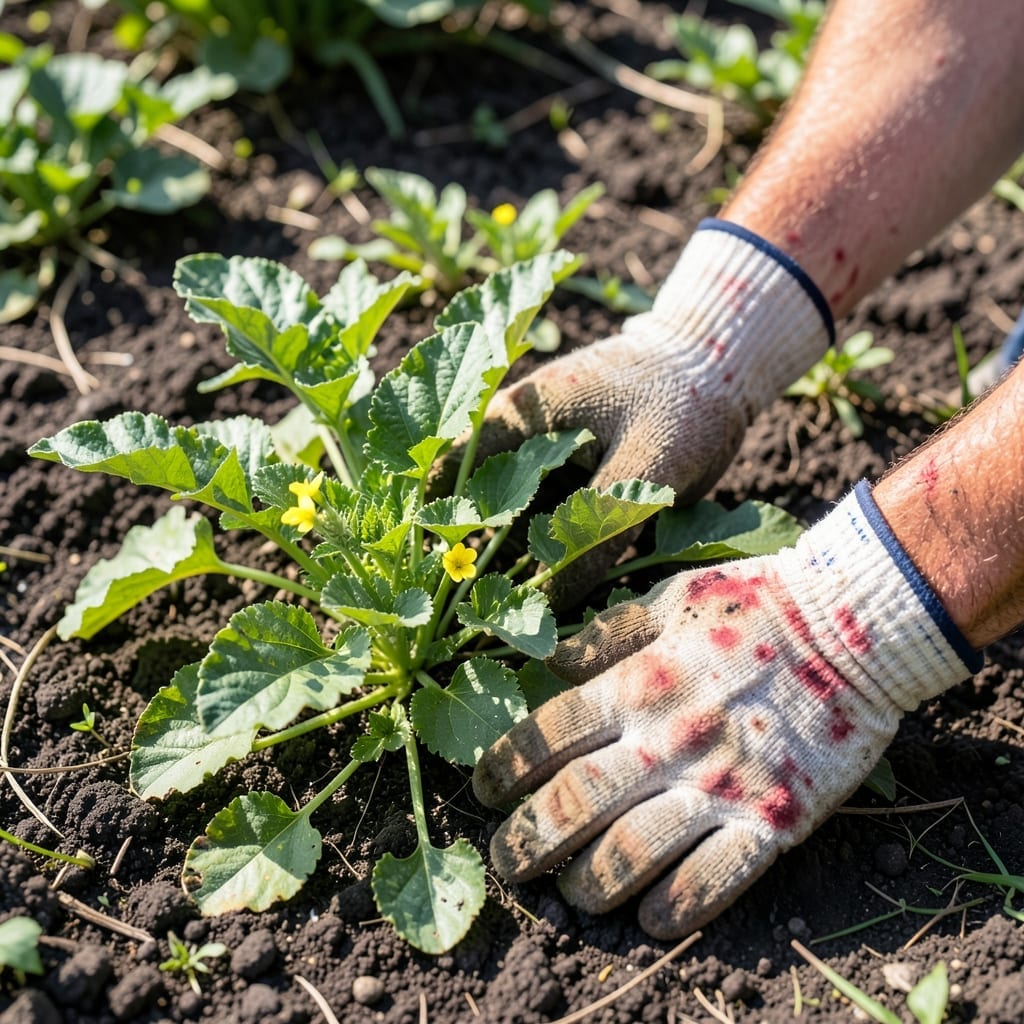
That itchy red rash isn’t just annoying—it’s your skin reacting to something in the garden. I’ve learned the hard way that some weeds pack a serious punch with oils and allergens.
Poison ivy’s the usual suspect, but even common plants can trigger reactions. The good news? Relief starts with identification and quick action to stop the spread.
Natural soothers like cool compresses and aloe can calm the irritation fast. No fancy treatments needed—just the right approach at the right time.
Prevention’s simpler than you think: long sleeves, gloves, and a post-gardening wash routine make all the difference.
A rash after pulling weeds usually stems from direct contact with irritants or allergens in the plants themselves. Here’s what’s likely triggering your skin reaction:
Many weeds, like poison ivy, poison oak, or stinging nettle, contain urushiol (in poison ivy/oak) or formic acid (in nettles). These compounds bind to skin proteins, prompting an immune response that leads to redness, itching, and blisters. Even brief contact can cause a delayed reaction within 12–48 hours.
Pulling weeds without gloves can create tiny abrasions in your skin. Dirt, bacteria, or plant residues then enter these microtears, causing irritation or contact dermatitis. Rough stems (e.g., thistles) or thorny plants exacerbate this by physically damaging the skin barrier.
Some people have hypersensitivity to common weeds like ragweed or pigweed. Their pollen or sap contains allergens that trigger histamine release, leading to hives, swelling, or a widespread rash. This is distinct from irritant dermatitis and may require antihistamines for relief.
Soil and decaying plant matter harbor bacteria (e.g., Streptococcus) or fungi that can infect minor cuts. If your rash oozes, crusts, or spreads, it may be cellulitis or a fungal infection, which needs medical attention.
Actionable tip: Wear long sleeves, gloves, and wash skin immediately after weeding with soap and cool water to remove irritants before they penetrate.
If you’ve developed a rash from pulling weeds, don’t worry—there are simple, effective ways to soothe the irritation and prevent it from happening again. Below are targeted solutions based on common causes, along with prevention tips to keep your skin happy while gardening.
These plants contain urushiol, an oil that triggers allergic contact dermatitis. If you suspect exposure:
Prevention tip: 💡 Wear long sleeves, gloves, and pants when weeding. Use a barrier cream like bentoquatam (e.g., Ivy Block) for extra protection.
Friction, dirt, or plant sap can irritate skin. To heal:
Prevention tip: 🌡️ Shower after gardening and moisturize while skin is damp. Opt for hypoallergenic gloves (nitrile or cotton-lined).
If bites are causing the rash:
Prevention tip: ✨ Wear light-colored clothing, use insect repellent with DEET or picaridin, and avoid gardening at dawn/dusk when bugs are most active.
Sweat and heat can clog pores, leading to prickly heat:
Prevention tip: 🎯 Wear breathable, loose clothing and take breaks in the shade. Stay hydrated!
Most rashes improve within a week. See a doctor if the rash spreads, oozes, or is accompanied by fever.
Most mild rashes clear up within 3-7 days with proper care. Severe reactions or infections may take 1-2 weeks. See a doctor if it persists or worsens.
Hydrocortisone cream (1%) or calamine lotion can reduce itching and inflammation. Apply 2-3 times daily after cleaning the area. Avoid heavy creams on oozing rashes.
Consult a doctor if the rash spreads, oozes, or comes with fever. Also seek help if swelling affects your face or breathing becomes difficult.