
Beautiful Plants For Your Interior
Beautiful Plants For Your Interior
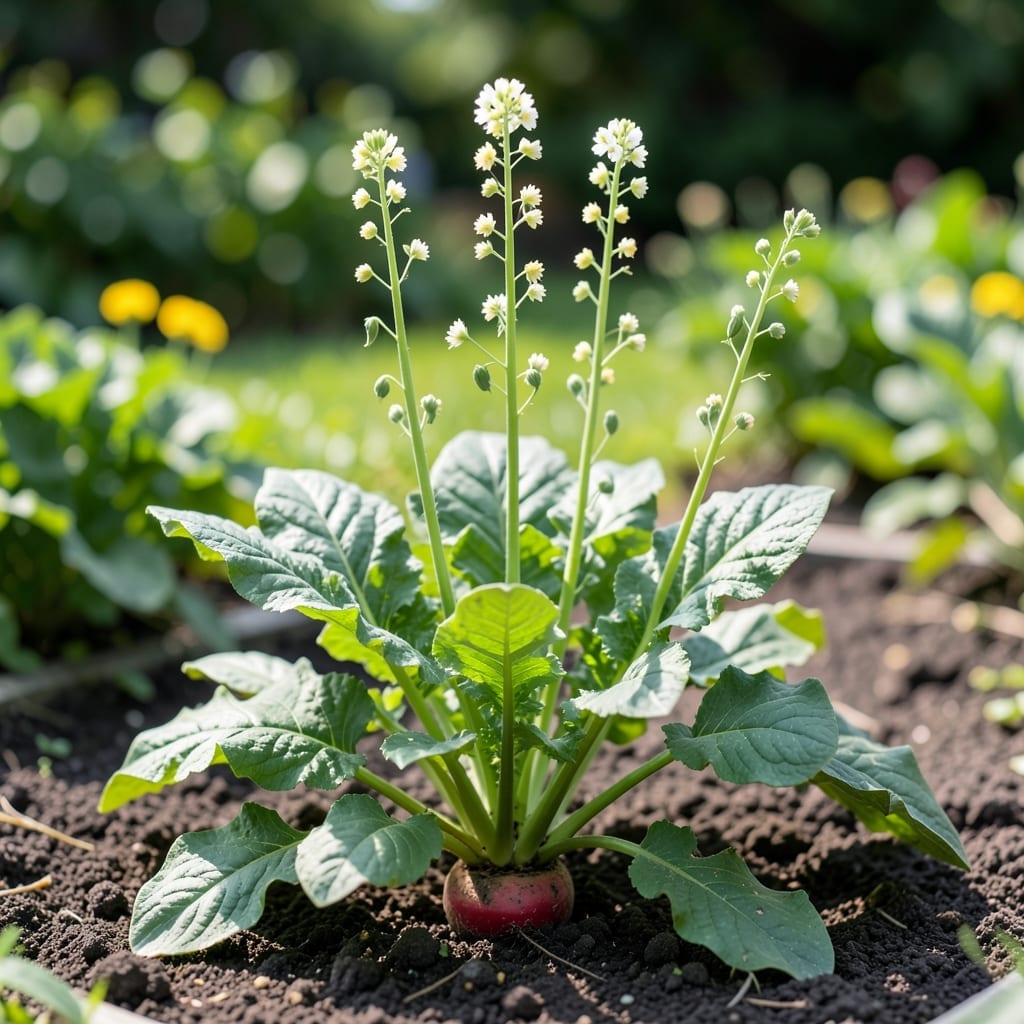
Nothing stings like watching radishes bolt before they bulk up. I lost an entire spring crop to premature seeding before learning the triggers—heat, stress, and planting missteps top the list.
Turns out, radishes race to seed when conditions feel threatening. A few simple adjustments to timing, spacing, and watering can keep them focused on growing those crisp roots instead of shooting up flower stalks.
You’ll notice the difference fast: plump radishes in 30 days instead of wiry stems. The fix often involves nothing more than shade cloth or a deeper watering routine.
Works for spring and fall crops alike. Here’s how to outsmart the bolting cycle for good.
Radishes bolt—or go to seed prematurely—when they perceive stress or unfavorable conditions. This natural survival response prioritizes reproduction over root growth. Below are the most common triggers, explained with actionable insights.
Radishes thrive in cool soil (50–70°F). When temperatures exceed 75°F, the plant shifts energy to flowering to produce seeds before dying. Sow early in spring or late summer to avoid heat spikes, and use shade cloth if needed.
As day length increases beyond 12–14 hours, radishes interpret this as a signal to bolt. This is especially true for spring varieties. Opt for short-day cultivars or plant in late summer when days are shorter.
Fluctuations between drought and overwatering stress the plant. Uneven moisture disrupts root development, triggering bolting. Maintain consistent soil moisture (1 inch of water weekly) and mulch to retain humidity.
When radishes are planted too densely, competition for nutrients and light induces stress. Thin seedlings to 2-inch spacing to prevent premature flowering and ensure robust root growth.
Excess nitrogen promotes leafy growth at the expense of roots, while low phosphorus can delay maturity, leading to bolting. Use a balanced fertilizer (10-10-10) and avoid over-fertilizing.
Once your radishes start going to seed, they won’t produce the plump, tender roots you’re after—but you can still turn things around. Below are targeted fixes for the most common causes, plus prevention tips to keep your next crop on track.
Fix: If temperatures soar above 80°F (27°C), provide afternoon shade with row covers or a DIY shade cloth. Water deeply in the early morning to cool the soil. For a quick harvest, pull mature radishes immediately—even small ones—to enjoy before they bolt further.
Prevent: Plant heat-tolerant varieties like ‘Cherry Belle’ or ‘French Breakfast’ in early spring or fall when temps stay below 75°F (24°C). Succession plant every 2 weeks to avoid exposure to heat spikes.
Fix: If you missed the cool-season window, switch to fast-maturing radish types (ready in 20–25 days). Use containers or raised beds where soil warms faster, and harvest young to salvage what you can.
Prevent: Start seeds 4–6 weeks before your last frost date in spring, or 4–6 weeks before the first frost in fall. In mild climates, grow radishes year-round as a winter crop.
Fix: Drought-stressed radishes bolt fast. Revive them by soaking the soil 1–2 inches deep daily until the topsoil stays moist. Mulch with straw to retain moisture.
Prevent: Use drip irrigation or a soaker hose on a timer for steady moisture. Aim for 1 inch of water per week, and avoid wetting the foliage to prevent disease.
Fix: Thin seedlings to 2 inches apart as soon as they sprout true leaves. Crowded radishes compete for resources, triggering bolting. Eat the thinned greens—they’re edible!
Prevent: Sow seeds sparingly or use a seed tape for even spacing. If direct sowing, mix seeds with sand for better distribution.
💡 Pro Tip: If radishes bolt despite your efforts, let a few flower and go to seed to collect pods for pickling or spicy radish seed sprouts—waste not, want not!
They’re stressed by heat, long daylight, or uneven watering. Above 75°F or 12+ hours of light triggers bolting as a survival response.
The roots turn woody and bitter, but the young leaves and seed pods remain edible. Harvest pods for pickling or salads.
Plant in early spring or fall, use shade cloth, and keep soil consistently moist. Choose heat-tolerant varieties like Cherry Belle.
Thin seedlings to 2-inch spacing once true leaves appear. Crowding stresses plants and accelerates bolting.