
Beautiful Plants For Your Interior
Beautiful Plants For Your Interior
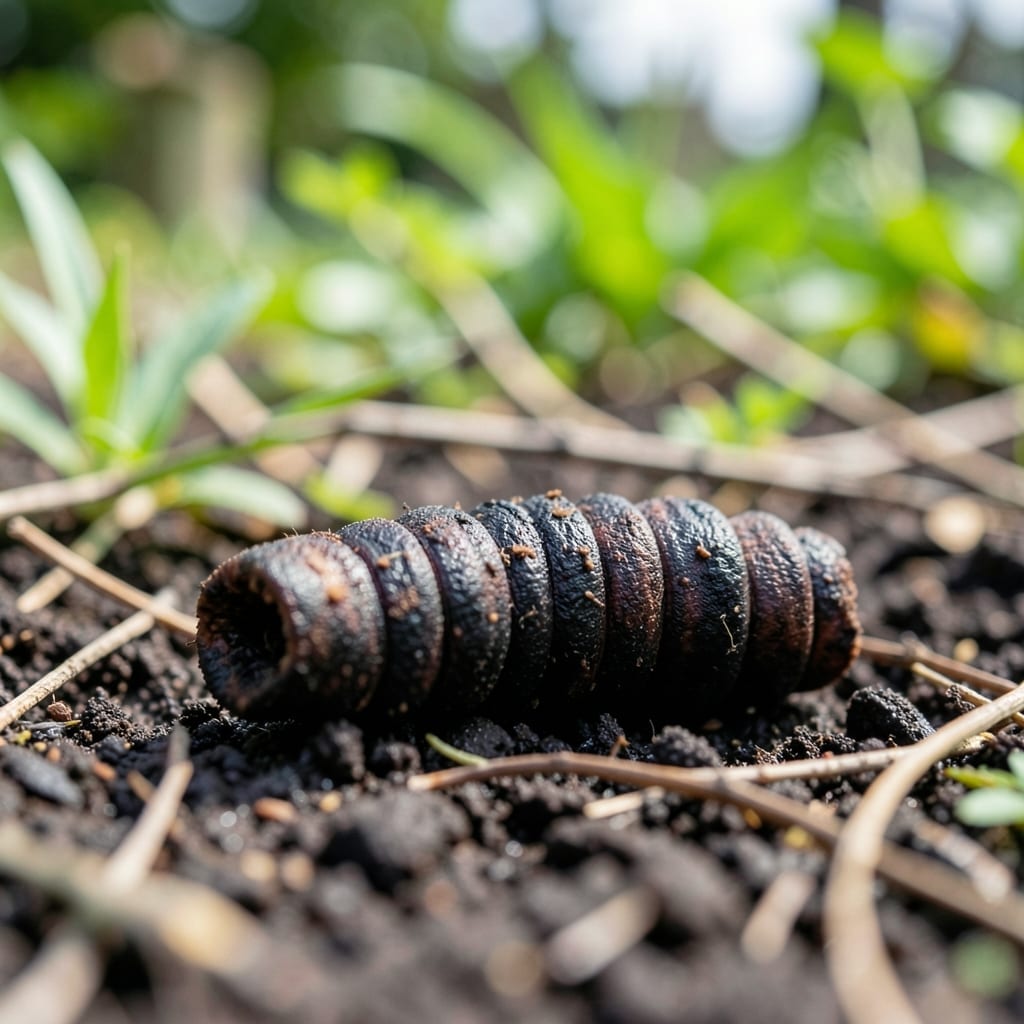
Waking up to raccoon mess in your garden is frustrating. I’ve dealt with it myself—overturned plants, scattered trash, and the health risks that come with their waste.
Here’s the thing—raccoons are just looking for food and shelter. The good news is you can discourage them without harm. Simple changes like securing trash and removing attractants make a big difference.
Safety first: always wear gloves and a mask when cleaning up. Their feces can carry harmful parasites. A thorough cleanup and a few natural deterrents will keep them from coming back.
Your yard can stay raccoon-free with minimal effort. Let’s get it sorted.
Raccoons are clever, opportunistic animals that may leave feces in your yard for several practical reasons. Understanding why they’re drawn to your property is the first step in preventing repeat visits. Below are the most common causes, explained with actionable insights.
Raccoons are omnivores with a strong sense of smell. If your yard offers unsecured garbage cans, pet food bowls, or fallen fruit from trees, they’ll see it as an open buffet. Trash cans without locking lids are a top attractant, as raccoons can easily knock them over and rummage through the contents. Even compost piles can draw them in if they contain food scraps like meat or dairy.
Your yard might provide the perfect hiding spot for raccoons, especially if it has dense shrubbery, wood piles, or crawl spaces under decks and sheds. These areas offer protection from predators and harsh weather. Raccoons are nocturnal, so they seek out quiet, dark spaces to rest during the day and may leave feces behind as they mark their territory.
Like all living creatures, raccoons need water to survive. If you have a birdbath, leaky hose, or standing water in your yard, it can become a raccoon watering hole. They’re also known to “wash” their food in water, a behavior that earned them their name (Procyon lotor, meaning “washer dog”). Eliminating easy water access can reduce their incentive to visit.
Raccoons are natural foragers, and your yard might be rich in their favorite snacks. Grubs, worms, and insects in your lawn are like a salad bar for them. They’ll dig up patches of grass to uncover these treats, often leaving behind small holes and, yes, feces. Keeping your lawn treated for pests can make it less appealing.
Dealing with raccoon droppings in your yard requires a mix of cleanup, deterrence, and prevention. Below are practical solutions to address the issue effectively.
Racoon feces can carry harmful pathogens like Baylisascaris. Always wear gloves, a mask, and disposable clothing when cleaning. Use a shovel to pick up droppings and place them in a sealed plastic bag. Disinfect the area with a bleach solution (1 part bleach to 10 parts water) or an enzymatic cleaner. Never use a hose or pressure washer, as this can spread contaminants.
Raccoons are drawn to food sources. Secure trash cans with bungee cords or locking lids, and avoid leaving pet food or birdseed outside overnight. Pick up fallen fruits or nuts from trees, and compost bins should be animal-proof. Eliminating these temptations encourages raccoons to move on.
Physical deterrents work well to keep raccoons out. Install motion-activated sprinklers or lights near problem areas. For gardens, use chicken wire or hardware cloth to create a barrier around plants. Trim tree branches that raccoons could use to access your roof or yard.
Raccoons dislike strong scents. Sprinkle cayenne pepper, garlic powder, or ammonia-soaked rags around your yard as a natural deterrent. Alternatively, plant mothballs or predator urine (available at garden stores) near entry points. Reapply these after rain or every few days for continued effectiveness.
By combining cleanup, deterrence, and prevention, you can keep your yard raccoon-free and safe for your family and pets.
Yes, but only with proper precautions. Always wear gloves, a mask, and long sleeves. Use a shovel to avoid direct contact, and disinfect the area afterward with a bleach solution.
Raccoon droppings may contain Baylisascaris, a parasite that can cause serious neurological issues. Other risks include leptospirosis and salmonella. Always handle cleanup carefully.
Remove food sources like unsecured trash or pet food. Use motion-activated sprinklers or natural repellents like cayenne pepper. Seal entry points to deny them shelter.
No, never use water pressure. It can spread harmful pathogens and contaminate a wider area. Always use a shovel and dispose of waste in sealed bags instead.