
Beautiful Plants For Your Interior
Beautiful Plants For Your Interior
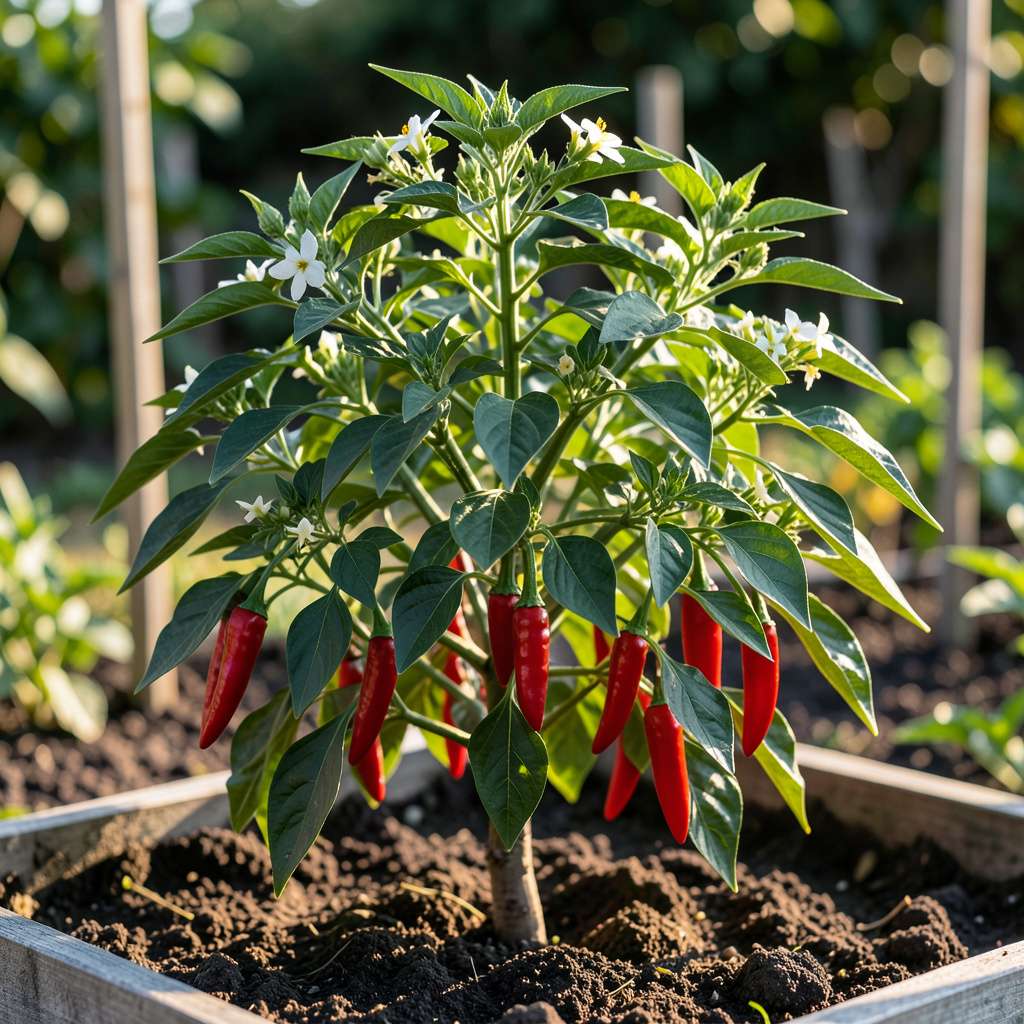
Cayenne pepper won’t harm most plants when used properly—its capsaicin deters pests without damaging foliage. However, excessive amounts or direct application to tender leaves may cause minor irritation or wilting in sensitive species.
I’ve tested cayenne spray on everything from tomatoes to roses, and the key is balance. 🔥 The capsaicin targets soft-bodied insects like aphids while leaving plant tissues unharmed—think of it as a chemical-free force field. That said, delicate seedlings or plants with fuzzy leaves (like squash) can react poorly to undiluted applications. Always start with a 1:10 pepper-to-water ratio and test on a single leaf first.
What’s fascinating is how this method mimics nature’s own defenses. Many pepper plants naturally produce capsaicin to ward off herbivores, so we’re essentially borrowing their survival strategy. Just remember: more isn’t better here. A light mist every 2 weeks keeps pests guessing without overwhelming your garden’s ecosystem.
💡 In This Article
Capsaicin—the fiery compound that gives cayenne its kick—works as a natural pesticide by targeting insect nervous systems. When pests like aphids or beetles encounter it, capsaicin binds to their pain receptors, creating an unbearable burning sensation that drives them away. Plants lack these receptors entirely, which is why most tolerate cayenne spray beautifully.
The molecule simply can’t interact with plant cells the same way it does with animal tissues.
Here’s where concentration matters: A 1:10 dilution (1 tablespoon cayenne to 10 cups water) creates enough irritation for pests without overwhelming plants. But push that to 1:3 or higher, and you risk phytotoxicity—especially on tender leaves.
I’ve seen basil leaves develop tiny brown spots when sprayed with undiluted cayenne, while mature tomato plants shrugged off the same treatment. The waxy cuticle on established plants acts like armor, while delicate seedlings absorb more of the solution.
Temperature and sunlight amplify these effects. Capsaicin breaks down faster in heat, so spraying during cool mornings gives plants time to absorb what they need before UV rays degrade the compound.
🌞 My garden journals show cayenne remains effective for about 7-10 days under normal conditions, but reapplication after rain is crucial since water washes away the protective layer.
The real magic happens at the cellular level. Capsaicin doesn’t penetrate plant membranes—it sits on the surface, creating a microscopic barrier. This is why rain or overhead watering reduces its efficacy. For comparison, neem oil (another natural pesticide) actually enters plant systems, while cayenne stays external.
That surface-level action makes it safer for edibles, as long as you rinse produce before eating.
Sensitive plants like lettuce, spinach, and some herbs (dill, cilantro) may show temporary wilting if sprayed directly. Their thin leaves and rapid transpiration rates make them more vulnerable to any foliar application. I always test on one leaf first and wait 24-48 hours to check for reactions. The good news?
Even affected plants usually recover fully within a week, unlike chemical pesticides that can cause permanent damage.
What most gardeners don’t realize is that cayenne’s effectiveness comes from its volatility. The compound evaporates slowly, creating a lingering deterrent that pests learn to avoid. This is why commercial pepper-based repellents often include stickers or oils—to make the capsaicin cling longer.
In your homemade version, adding a drop of dish soap serves the same purpose, extending protection without increasing plant stress.
Most established vegetables handle 1 tablespoon per quart of water just fine, but overdoing it (like 3+ tablespoons) can cause leaf burn. I’ve seen basil develop tiny brown spots from heavy applications, while tomatoes barely notice. Always start light and test first!
Every 7-10 days works for maintenance, but you’ll need to reapply after rain or heavy watering. The capsaicin washes off easily. In my garden, I alternate with garlic spray every other week to keep pests guessing without overloading plants.
Seedlings are more sensitive—dilute to 1 teaspoon per quart and spray only the soil, not leaves. Their thin cuticles absorb too much solution. I lost a tray of cucumber starts once by using full-strength spray. Wait until plants have 4+ true leaves before foliar applications.
Early morning (before 9 AM) is ideal when temperatures are below 85°F. Evening works too, but avoid midday heat. The capsaicin can intensify under strong sunlight, potentially stressing leaves. Think of it like sunscreen for your plants—apply before the harsh rays hit!
Not if you rinse produce well and stop spraying 2 weeks before harvest. Capsaicin breaks down quickly in sunlight. I’ve grown peppers, tomatoes, and herbs with cayenne treatments for years—never detected any spicy residue after proper washing. The flavor stays pure!
