
Beautiful Plants For Your Interior
Beautiful Plants For Your Interior
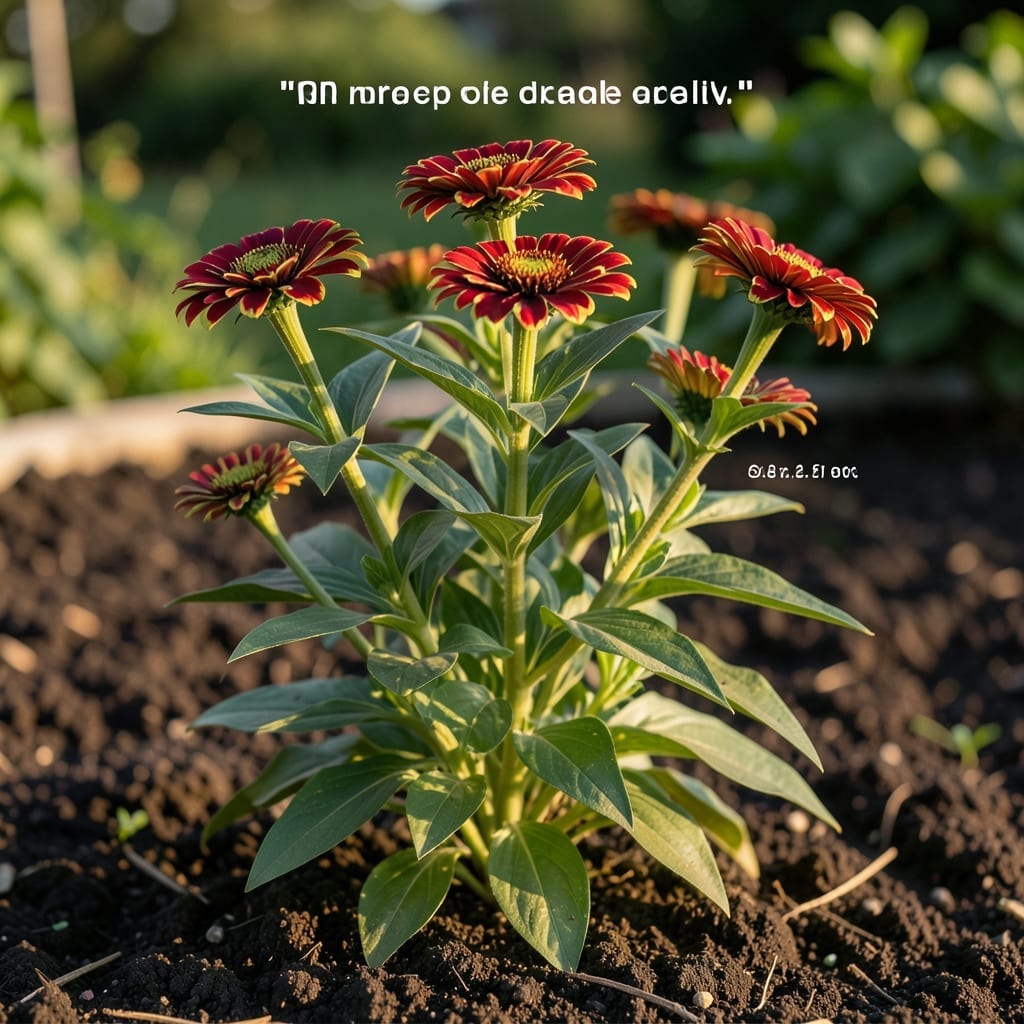
This zinnia stops people in their tracks. The Queen Red Lime variety produces shockingly vibrant blooms that shift between deep red and lime green, creating a color combo that pollinators can’t resist and gardeners can’t stop photographing.
I’ve grown dozens of zinnias, but this one stands out for its drought tolerance and long vase life. Plant in full sun with well-draining soil, and you’ll get continuous blooms from early summer until the first hard frost.
Space plants 12-18 inches apart to allow for their bushy growth habit. They’ll reach 3-4 feet tall, making them perfect for the back of borders or as a stunning cut flower.
Butterflies and bees will make your garden their daily destination. The payoff is watching your space transform into a buzzing, colorful paradise.
The Queen Red Lime Zinnia may struggle with a few common issues, often tied to environmental or care-related factors. Understanding these root causes helps you prevent problems and keep your plants thriving. Below are the key reasons behind typical growth or blooming setbacks.
Zinnias, including the Queen Red Lime variety, are heat-tolerant but can suffer in extreme conditions. Temperatures below 50°F (10°C) can stunt growth or delay flowering, while scorching heat above 90°F (32°C) may cause wilting or leaf scorch. These plants thrive in warm, consistent climates and may drop buds if exposed to sudden temperature swings.
Overwatering or drought stress can lead to root rot or poor blooming. Zinnias prefer moist but well-draining soil. Soggy conditions suffocate roots, while prolonged dry spells force the plant to conserve energy, reducing flower production. Aim for 1 inch of water per week, adjusting for rainfall.
Too much nitrogen encourages leafy growth at the expense of flowers, while a deficiency in phosphorus or potassium weakens stems and reduces vibrancy. Use a balanced, low-nitrogen fertilizer (e.g., 5-10-5) to support blooming. Yellowing leaves or stunted growth often signal a nutrient issue.
Zinnias are prone to powdery mildew (a fungal disease) in humid conditions and may attract aphids or spider mites. Poor air circulation and overhead watering exacerbate these problems. Preventative measures like spacing plants 12–18 inches apart and watering at the base can minimize risks.
Growing Queen Red Lime Zinnias is rewarding, but even the hardiest plants face challenges. Here’s how to tackle the most common problems and keep your blooms thriving. 🌱
If your zinnia leaves turn yellow, overwatering or poor drainage is often the culprit. Zinnias hate soggy roots! Fix it by:
Prevention tip: 💡 Water at the base in the morning to avoid fungal growth and let excess moisture evaporate.
Aphids and spider mites love zinnias. Combat them without chemicals:
Prevention tip: 🎯 Keep the garden tidy—remove debris where pests hide.
If your zinnias stretch tall and flop over, they’re craving more sunlight. Move them to a spot with 6–8 hours of full sun daily. For existing plants:
Prevention tip: ✨ Start seeds in bright light to avoid leggy seedlings.
White powder on leaves? That’s mildew, thriving in humid, crowded conditions. Fix it fast:
Prevention tip: 🌡️ Water at soil level to keep foliage dry.
They typically reach 3-4 feet tall, making them ideal for borders or cut flower arrangements. Their height adds drama to any garden space.
Space them 12-18 inches apart to allow for proper air circulation and bushy growth. This prevents overcrowding and disease.
Butterflies and bees are drawn to their vibrant blooms. They’ll turn your garden into a bustling pollinator paradise.
Yes, they’re quite drought-tolerant once established. Water deeply 1 inch per week for best results.