
Beautiful Plants For Your Interior
Beautiful Plants For Your Interior
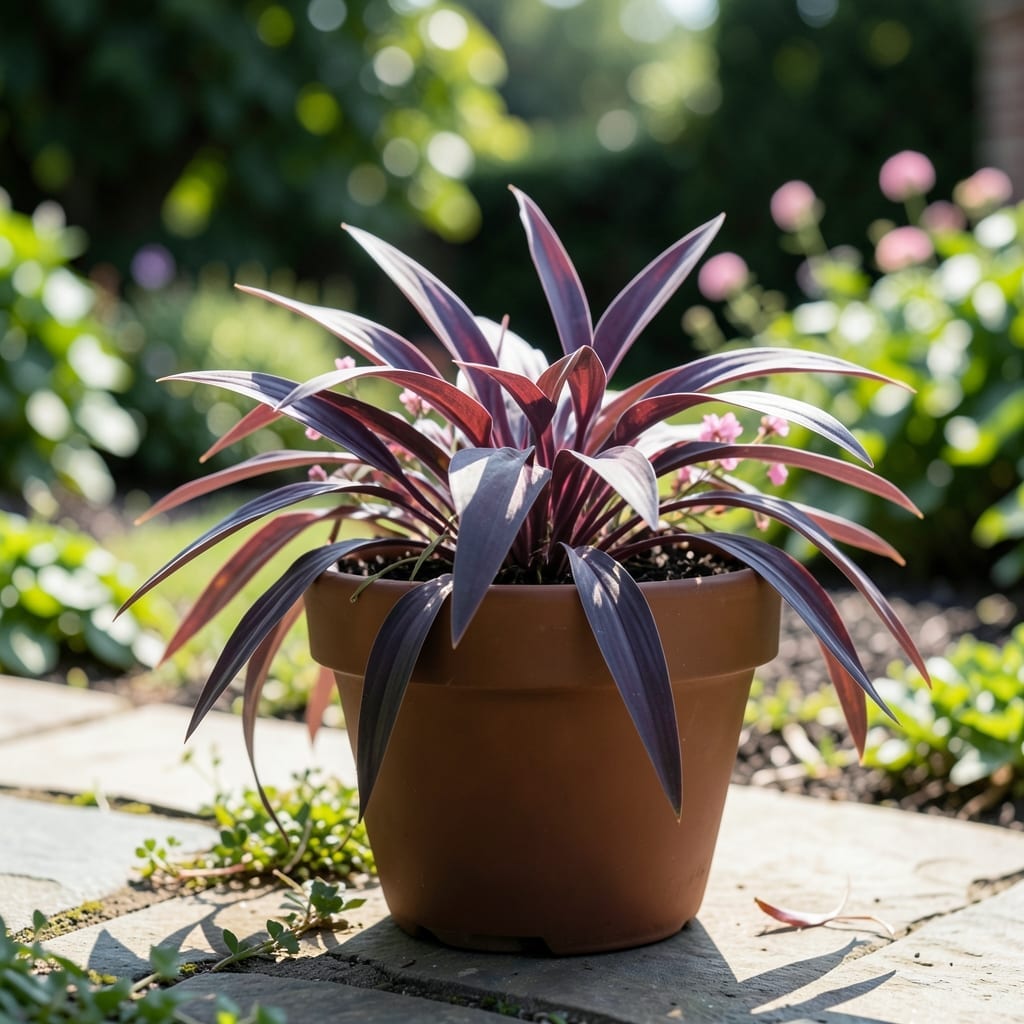
Spot purple leaves in your lawn and you’re seeing a cry for help. 🌱 I’ve learned these color changes rarely mean good news—usually it’s phosphorus deficiency, cold damage, or something more sinister taking root.
The fix starts with a soil test, but don’t stop there. Overwatering, compacted soil, and even herbicide drift can trigger this. My lawn had 3 purple patches last spring before I traced it to a new fertilizer mix.
Once you identify the cause, solutions are straightforward: adjust nutrients, improve drainage, or treat for pests. The grass rebounds faster than you’d expect with the right approach.
Works for any lawn type, from cool-season to warm-season grasses. Let’s diagnose and treat this properly.
Purple leaves sprouting in your grass often signal underlying issues. Here are the most common causes, each with a scientific basis and actionable insights.
When soil lacks phosphorus, a critical nutrient for energy transfer in plants, grass and weeds may develop purple or reddish hues. This occurs because phosphorus is vital for ATP (adenosine triphosphate) production, the energy currency of cells. Without it, chlorophyll breaks down, revealing anthocyanin pigments—which appear purple. Test your soil with a kit (pH 6.0–7.0 is ideal for phosphorus uptake) and amend with bone meal or a high-phosphorus fertilizer (e.g., 10-20-10 NPK ratio).
Chilly temperatures (below 50°F/10°C) slow phosphorus absorption, even if it’s present in the soil. Purple leaves may emerge as a stress response. Protect your lawn with a layer of mulch or use cold-tolerant grass varieties like Kentucky bluegrass or fescue. Avoid heavy foot traffic in cold snaps to prevent further stress.
Both extremes disrupt nutrient uptake. Overwatering suffocates roots, reducing oxygen and phosphorus absorption, while drought halts nutrient mobility in dry soil. Check drainage by digging a 6-inch hole—if water pools for hours, aerate the soil. For drought, water deeply but infrequently (1–1.5 inches per week) to encourage deep root growth.
Some “grass” with purple leaves might actually be invasive weeds like purple nutsedge or wild violet. These thrive in compacted, nutrient-poor soil. Hand-pull weeds early or apply a selective herbicide (e.g., 2,4-D for broadleaf weeds). Improve soil health with compost to outcompete invaders.
If you’ve noticed purple leaves growing in your grass, don’t panic—there are simple fixes for the most common causes. Below, we break down solutions by issue, along with prevention tips to keep your lawn lush and green.
Purple hues often signal a phosphorus shortage. Fix it by:
Prevention: Fertilize in early spring and fall, and avoid overwatering, which can leach nutrients.
Cool temperatures can trigger purple pigments in grass. Try:
Prevention: Overseed in late summer to strengthen grass before winter hits. 💡
Too much water suffocates roots, limiting nutrient uptake. To fix:
Prevention: Install a rain gauge and use a moisture meter to avoid guesswork.
Purple spots paired with wilting may indicate fungus. Combat it by:
Prevention: Avoid evening watering and clean mower blades after each use to stop spores from spreading. ✨
Very likely. Purple leaves often signal low phosphorus, which disrupts energy production in plants. Test your soil with a kit to confirm—pH 6.0-7.0 helps phosphorus uptake. Amend with bone meal or a high-phosphorus fertilizer if needed.
Check the leaf shape and growth pattern. Weeds like purple nutsedge have triangular stems, while wild violet has heart-shaped leaves. True grass blades are long and narrow. Hand-pull weeds early to prevent spread.
Yes, temperatures below 50°F slow phosphorus absorption, triggering purple hues. Protect your lawn with mulch or plant cold-tolerant varieties like Kentucky bluegrass. Avoid heavy foot traffic during cold snaps.
Too much water suffocates roots, reducing oxygen and nutrient uptake. Water deeply but infrequently—1-1.5 inches per week is ideal. Improve drainage by aerating compacted soil.