
Beautiful Plants For Your Interior
Beautiful Plants For Your Interior
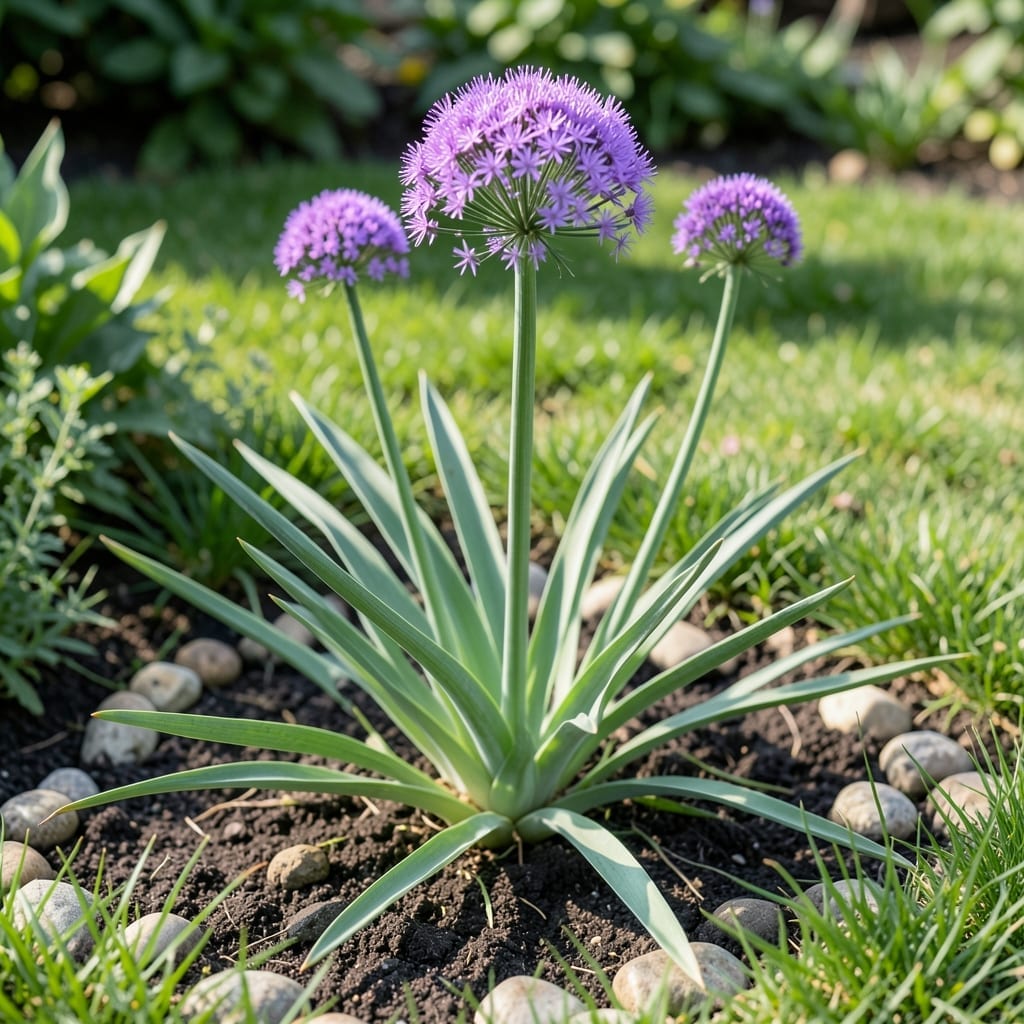
First time I saw alliums in full bloom, I stopped mid-walk. Those perfect purple spheres floating above green stems looked like something from another planet.
Turns out, several plants produce these show-stopping orbs. The trick is matching the species to your climate and soil. Some prefer full sun, others tolerate partial shade, but all reward you with dramatic color that lasts for weeks.
You’ll get pollinators swarming your garden like it’s a five-star restaurant. Bees and butterflies can’t resist the shape, and neither can your neighbors.
Whether you’re planting in borders, containers, or cutting gardens, these blooms add instant architecture to any space. Here’s how to grow them right.
The formation of a purple ball-shaped flower is a fascinating botanical process influenced by genetics, environment, and growth conditions. Below are the primary causes behind this unique floral structure.
Many plants, like Allium (ornamental onions) or Echinops (globe thistles), are genetically programmed to produce spherical blooms. These species have evolved to develop tightly clustered florets, creating the iconic ball shape. The purple hue often results from anthocyanin pigments, which are dominant in certain cultivars.
Light exposure and temperature play key roles. Full sun often intensifies pigmentation, leading to deeper purple tones. Cooler nights can also enhance color vibrancy. Additionally, consistent moisture levels prevent deformities, ensuring the flower maintains its rounded form.
Soil rich in phosphorus and potassium supports robust flower development. A deficiency in these nutrients may cause irregular growth, while an excess can lead to oversized or loosely packed blooms. Proper fertilization ensures the plant produces compact, spherical clusters.
Some plants develop ball-shaped flowers to attract pollinators. The dense arrangement of small florets provides ample landing space for bees and butterflies, increasing pollination efficiency. This evolutionary trait is common in species like Hydrangea or Liatris.
If your purple ball-shaped flowers are looking lackluster, don’t worry—most issues are fixable with a few targeted adjustments. Below are practical solutions to common problems, organized by cause and remedy.
Cause: Underwatering or poor soil drainage.
Fix: Water deeply at the base (not overhead) until the soil is moist but not soggy. If drainage is the issue, repot in a well-draining mix with perlite or sand. Trim any blackened stems to encourage regrowth.
Prevention: 💡 Check soil moisture weekly—stick your finger 1 inch deep. Water when dry, and always use pots with drainage holes.
Cause: Overwatering or nutrient deficiency.
Fix: Let the soil dry slightly between waterings. For nutrient issues, apply a balanced, water-soluble fertilizer (10-10-10) every 4–6 weeks during the growing season.
Prevention: 💡 Use a moisture meter to avoid overwatering, and fertilize sparingly—too much can burn roots.
Cause: Aphids, spider mites, or whiteflies.
Fix: Spray plants with a mix of 1 tsp mild soap + 1 quart water, focusing on leaf undersides. For severe cases, use neem oil (follow label instructions). Remove heavily infested leaves.
Prevention: 💡 Inspect plants weekly and keep the area clean. Introduce beneficial insects like ladybugs for natural pest control.
Cause: Insufficient sunlight.
Fix: Move plants to a spot with 6–8 hours of indirect sunlight daily. Rotate pots weekly for even exposure. Prune leggy stems to encourage bushier growth.
Prevention: 💡 Place plants near east- or west-facing windows, or use grow lights indoors.
With these tweaks, your spherical blooms will bounce back in no time! Adjust care gradually and monitor progress.
Alliums, globe thistles, and hydrangeas are popular choices. Alliums offer dramatic purple orbs on tall stems, while globe thistles have spiky, silvery foliage. Hydrangeas can be trained to produce rounded clusters in the right conditions.
Most thrive in full sun (6-8 hours daily). Some, like certain hydrangeas, tolerate partial shade but may produce fewer blooms. Always check the specific variety’s requirements for best results.
Uneven growth often stems from inconsistent watering or poor soil nutrients. Ensure moist but well-drained soil and fertilize with phosphorus-rich food to encourage tight, symmetrical clusters.
Spring or fall planting works best for most varieties. This allows roots to establish before extreme heat or cold. Alliums are typically planted in fall, while globe thistles prefer spring.