
Beautiful Plants For Your Interior
Beautiful Plants For Your Interior
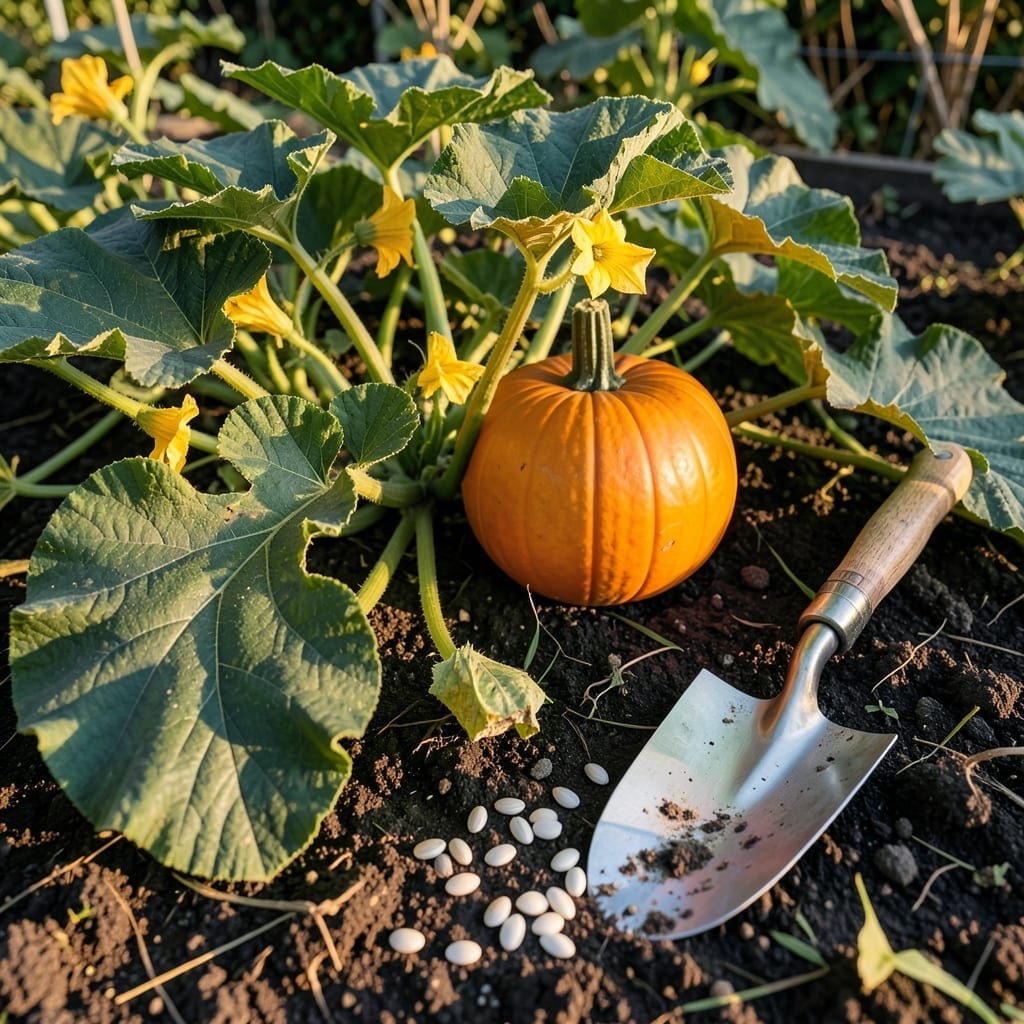
Timing pumpkin seeds right means the difference between a handful of small fruit and a bountiful fall harvest. I learned this the hard way after planting too early one spring.
Soil temperature is everything—wait until it hits 60°F at least 2 inches deep. In cooler climates, that might mean late May. Warmer zones can start earlier, but rushing it risks rot and stunted growth.
Prep your soil with compost for drainage and fertility. After sowing, keep the area consistently moist but not soggy. Those first leaves will appear within 5-10 days if conditions are right.
Adjust for your region’s last frost date and growing season length. This project rewards patience and attention to detail.
Understanding why pumpkin sowing time is critical starts with the plant’s biology and environmental needs. Pumpkins are warm-season crops, and their growth is deeply tied to temperature, soil conditions, and daylight. Here’s why timing is everything:
Pumpkins require soil temperatures of at least 60°F (15°C) to germinate and thrive. Sowing too early in cold soil causes seeds to rot or fail to sprout. Even if they do germinate, cold snaps can stunt growth or kill young seedlings. The enzyme activity in pumpkin seeds is temperature-dependent, meaning cooler conditions slow down or halt metabolic processes essential for development.
Pumpkins take 75 to 100 days to mature, depending on the variety. Planting too late in the season risks the vines not having enough warm days to produce fruit before the first frost. Conversely, sowing too early may lead to oversized vines that outgrow their space or exhaust soil nutrients before fruiting begins.
Pumpkins are photoperiod-sensitive, meaning they respond to the length of daylight. Longer days in late spring and summer promote vigorous vegetative growth, while shorter days in early fall signal the plant to shift energy toward fruit production. Planting at the wrong time disrupts this balance, leading to poor yields or undersized pumpkins.
Early or late sowing can expose pumpkins to excessive moisture or drought. Overly wet conditions increase the risk of fungal diseases like Phytophthora blight, while drought stresses the plants, reducing fruit set. Timing your sowing to align with stable, moderate rainfall ensures optimal hydration without waterlogging.
If your pumpkin seeds aren’t sprouting or growing as expected, don’t worry—there are practical ways to get back on track. Below are targeted solutions for common pumpkin sowing problems, along with tips to prevent them in the future.
Cause: Cold soil or excessive moisture can delay or prevent germination.
Fix: Warm the soil with black plastic mulch before planting, and ensure the temperature stays above 60°F (15°C). Sow seeds 1 inch deep in well-draining soil. If the area is waterlogged, improve drainage by amending with compost or sand.
Prevention: Use a soil thermometer to check warmth, and avoid overwatering. Start seeds indoors in peat pots if your region has a short growing season.
Cause: Poor soil fertility or insufficient sunlight can weaken seedlings.
Fix: Boost growth by mixing aged compost or a balanced fertilizer (10-10-10) into the soil at planting. Ensure pumpkins receive full sun (6–8 hours daily). Thin seedlings to 2–3 feet apart to reduce competition for nutrients.
Prevention: Test soil pH (ideal: 6.0–7.5) before sowing. Rotate planting areas yearly to prevent nutrient depletion.
Cause: Squash bugs, powdery mildew, or vine borers often target young plants.
Fix: Handpick pests like squash bugs early in the morning, and use row covers to protect seedlings. For fungal issues, apply neem oil or a baking soda spray (1 tsp baking soda + 1 quart water + a few drops of soap). Remove infected leaves immediately.
Prevention: Plant resistant varieties like ‘Crown Prince’ or ‘Jaradale’, and space vines widely for airflow. Crop rotation and removing plant debris after harvest also help.
With these fixes, your pumpkins will have the best chance to thrive. Happy growing! 🌟
Wait until soil reaches at least 60°F at 2 inches deep. Use a soil thermometer for accuracy. Colder temps risk seed rot and poor germination.
Sow seeds about 1 inch deep in moist, well-draining soil. Planting too shallow exposes seeds to drying out, while too deep may prevent sprouting.
Yes, for short growing seasons, start indoors 2-3 weeks before the last frost. Use peat pots to minimize root disturbance when transplanting.
Space vines 2-3 feet apart for small varieties, or 4-6 feet for large ones. This ensures proper airflow and reduces disease risk.