
Beautiful Plants For Your Interior
Beautiful Plants For Your Interior
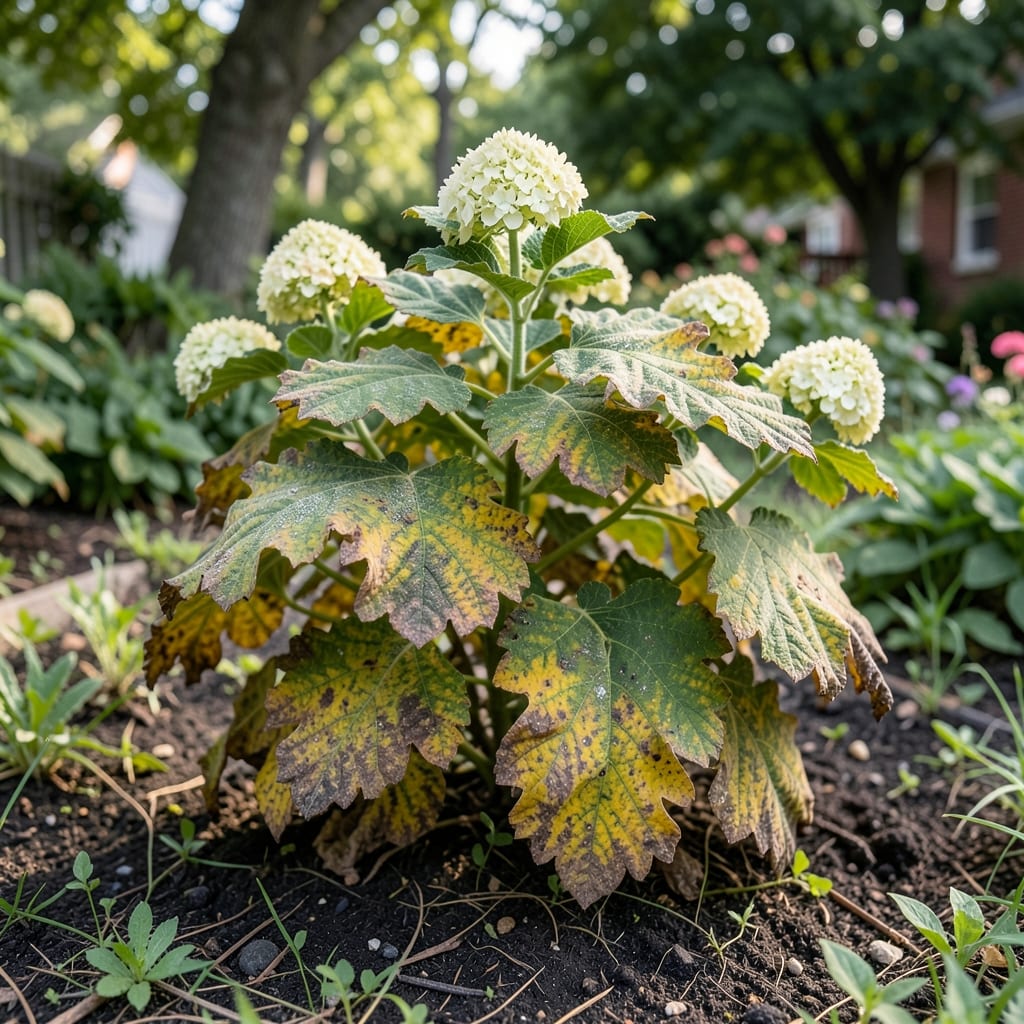
Oak leaf hydrangeas are tough, but they’re not invincible. I learned that the hard way when my prize shrub developed crispy edges and yellowing leaves last summer. The good news? Most issues are fixable once you know what to look for.
Between you and me, the biggest culprits are usually too much sun, soggy soil, or sneaky pests hiding under those big leaves. I check my plants daily now—just a quick glance to catch problems early before they spread.
With the right adjustments, you can nurse your hydrangeas back to health. Mine bounced back within 2-3 weeks after I dialed in the watering schedule and added some afternoon shade.
These solutions work whether you’re growing in full sun or partial shade. Let’s troubleshoot your plants together.
Oak leaf hydrangeas (Hydrangea quercifolia) are hardy, but they’re not immune to issues. Understanding the root causes helps you address them effectively. Here are the most common culprits behind their struggles:
These shrubs thrive in partial shade and well-draining, moist soil. Full sun can scorch leaves, while soggy roots from poor drainage lead to root rot. Extreme heat or drought stresses the plant, causing wilting or leaf drop. Solution: Amend soil with compost and mulch to retain moisture without waterlogging.
Humid conditions invite fungal problems like powdery mildew and leaf spot. Poor air circulation exacerbates these issues, turning leaves yellow or brown. Solution: Space plants properly, prune for airflow, and apply fungicide if needed.
Aphids, spider mites, and scale insects sap nutrients from leaves, leading to discoloration or distortion. Solution: Blast pests off with water or use insecticidal soap for severe cases.
Yellowing leaves (chlorosis) often signal iron or magnesium deficiency, common in alkaline soils. Solution: Test soil pH (aim for 5.2–6.5) and apply chelated iron or Epsom salt as needed.
Late frosts can damage new growth, while harsh winters may kill back stems. Solution: Plant in sheltered spots and mulch heavily in fall to protect roots.
Oak leaf hydrangeas are hardy, but even they need a little help sometimes. Here’s how to tackle their most common problems with practical, easy-to-follow solutions.
If you notice brown or black spots on the leaves, it’s likely a fungal issue. Remove affected leaves immediately to prevent spread. Thin out dense foliage to improve airflow, and avoid overhead watering—water at the base instead. For severe cases, apply a copper-based fungicide and clean up fallen debris around the plant.
Prevention tip: 💡 Space plants properly and water in the morning so foliage dries quickly.
Wilting can signal both underwatering and overwatering. Check the soil: if it’s bone dry, give the plant a deep soak. If it’s soggy, improve drainage by amending the soil with compost or moving the plant to a better-draining spot. Oak leaf hydrangeas prefer moist but well-drained soil.
Prevention tip: 🌡️ Mulch around the base to retain moisture without waterlogging.
Yellow leaves often indicate nutrient deficiencies or improper pH. Test your soil: oak leaf hydrangeas thrive in slightly acidic to neutral soil (pH 6.0–7.0). If the pH is off, amend with lime (to raise pH) or sulfur (to lower it). For nutrient issues, use a balanced fertilizer in early spring.
Prevention tip: ✨ Feed with a slow-release fertilizer annually to maintain soil health.
Aphids, scale, and spider mites can stress your hydrangea. Blast pests off with a strong stream of water, or apply neem oil or insecticidal soap for mild infestations. For stubborn pests, use a systemic insecticide. Always follow label instructions.
Prevention tip: 🎯 Inspect leaves regularly and encourage beneficial insects like ladybugs.
Brown leaves often indicate environmental stress. Too much sun, drought, or poor drainage can cause crispy edges. Check soil moisture and adjust watering or shade accordingly.
Yes! Wilting can mean underwatering or overwatering. Test soil by touch—if dry, water deeply; if soggy, improve drainage. Most bounce back within 2-3 weeks.
Regularly inspect leaves and use neem oil or insecticidal soap at first signs. Encourage beneficial insects like ladybugs to control aphids and mites naturally.
Test soil pH for iron deficiency (common in alkaline soil). Apply chelated iron or Epsom salt, and ensure pH stays between 6.0–7.0.