
Beautiful Plants For Your Interior
Beautiful Plants For Your Interior
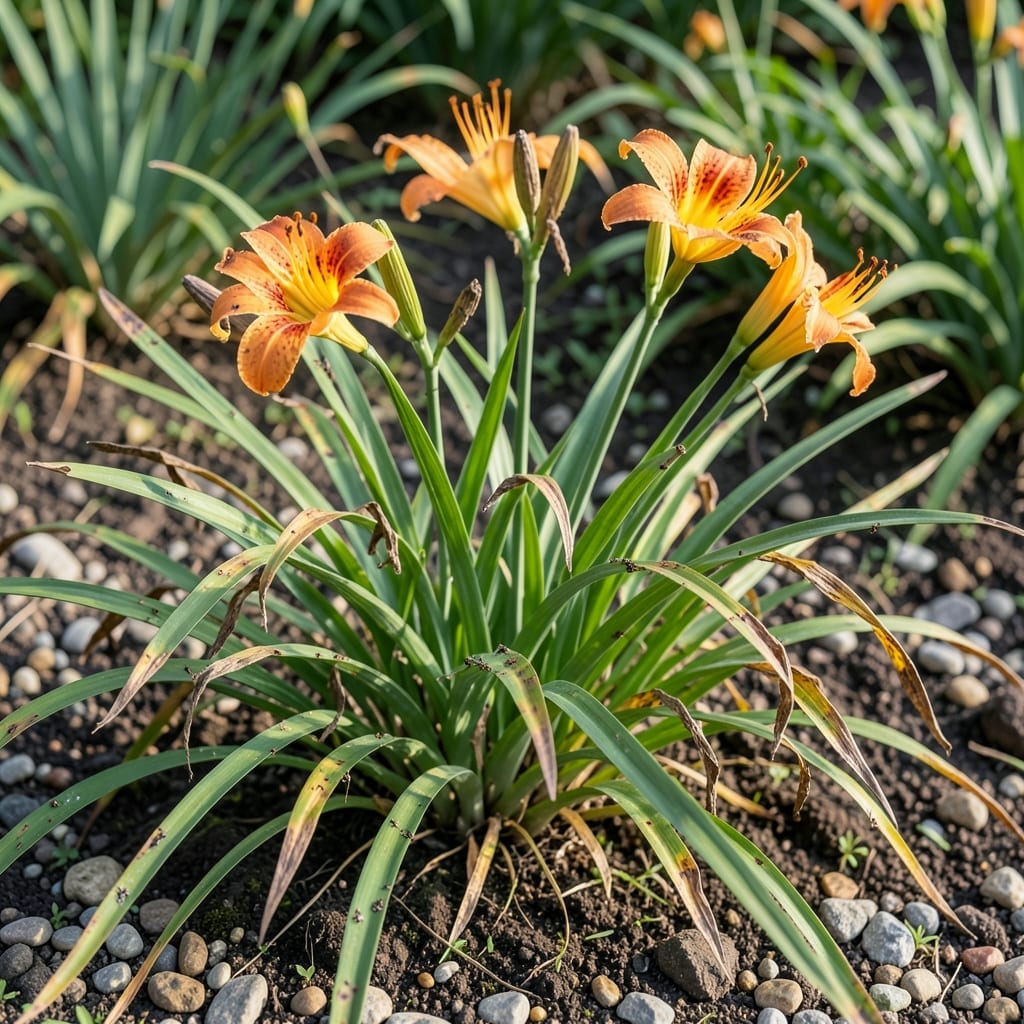
Daylilies are tough, but even they hit rough patches. I’ve watched mine struggle with yellowing leaves, stunted blooms, and mysterious holes overnight—turns out, most issues have simple fixes once you know what to look for.
Pests like aphids and thrips love these plants, while diseases such as rust or crown rot sneak in when conditions get too wet. Environmental stress shows up as brown tips or wilting, often from too much sun or poor drainage.
With a few adjustments—better airflow, consistent watering, or a quick spray—you can nurse them back to their vibrant, low-maintenance glory. No advanced degree required.
The best part? Most problems won’t kill your daylilies, just slow them down. Catch them early, and they’ll bounce back stronger next season.
Daylilies are hardy, but several factors can trigger their common issues. Understanding the root causes helps you prevent or fix them effectively.
Daylilies thrive in full sun to partial shade and well-draining soil. Extreme heat, drought, or waterlogged roots stress the plant, leading to wilting, yellowing leaves, or stunted growth. Poor soil pH (outside the 6.0–7.0 range) can also limit nutrient uptake, weakening the plant’s defenses against pests and diseases.
Common pests like aphids, spider mites, and thrips sap plant juices, causing distorted leaves, stunted blooms, or sooty mold from honeydew. Daylily gall midge larvae burrow into buds, preventing them from opening. Slugs and snails may also chew foliage, leaving irregular holes.
High humidity or poor air circulation creates ideal conditions for rust, leaf streak, or crown rot. These pathogens spread via water splashes or contaminated tools. Bacterial soft rot thrives in overly wet soil, causing mushy, foul-smelling stems and roots.
Overcrowding daylilies reduces airflow, increasing disease risk. Improper pruning (e.g., using dull or dirty tools) can introduce infections. Excessive fertilizer, especially high-nitrogen blends, promotes lush foliage at the expense of blooms, while under-fertilizing leads to weak, susceptible plants.
Daylilies are hardy, but even these tough plants can run into trouble. Here’s how to tackle the most common problems and keep your garden thriving. 🌱
If aphids or spider mites are munching on your daylilies, blast them off with a strong stream of water early in the day. For stubborn infestations, apply neem oil or insecticidal soap, focusing on the undersides of leaves. Prevention tip: 💡 Encourage beneficial insects like ladybugs by planting companion flowers such as marigolds or yarrow nearby.
Spotting brown or yellow patches? Fungal diseases like rust or leaf streak often strike in damp conditions. Remove and destroy infected leaves immediately to prevent spread. Improve airflow by thinning out crowded plants and watering at the base in the morning. Prevention tip: ✨ Space plants 18–24 inches apart and avoid overhead watering.
If your daylilies aren’t flowering well, they may need a nutrient boost. Fertilize in early spring with a balanced, slow-release fertilizer (10-10-10). Overcrowded clumps can also reduce blooms—divide plants every 3–4 years to rejuvenate them. Prevention tip: 🎯 Ensure they get at least 6 hours of sunlight daily for optimal blooming.
Daylilies are drought-tolerant but need consistent moisture during their first growing season. Water deeply once a week, especially in hot weather, but avoid soggy soil. Yellowing leaves can signal overwatering—check drainage and let the soil dry slightly between waterings. Prevention tip: 🌡️ Mulch around the base to retain moisture and regulate soil temperature.
Yellow leaves often signal overwatering or poor drainage. Check soil moisture—let it dry slightly between waterings. If roots are soggy, improve drainage or move to a sunnier spot.
Blast them off with water or use neem oil spray. Encourage ladybugs by planting companion flowers like marigolds. Repeat treatments every 5-7 days until gone.
Lack of sunlight or nutrients is usually the culprit. Ensure they get 6+ hours of sun daily. Fertilize in early spring with 10-10-10 slow-release food. Divide crowded clumps every 3-4 years.
If caught early, yes. Remove affected foliage, improve drainage, and avoid overhead watering. Severe cases may require removing the plant to prevent spreading to others.