
Beautiful Plants For Your Interior
Beautiful Plants For Your Interior
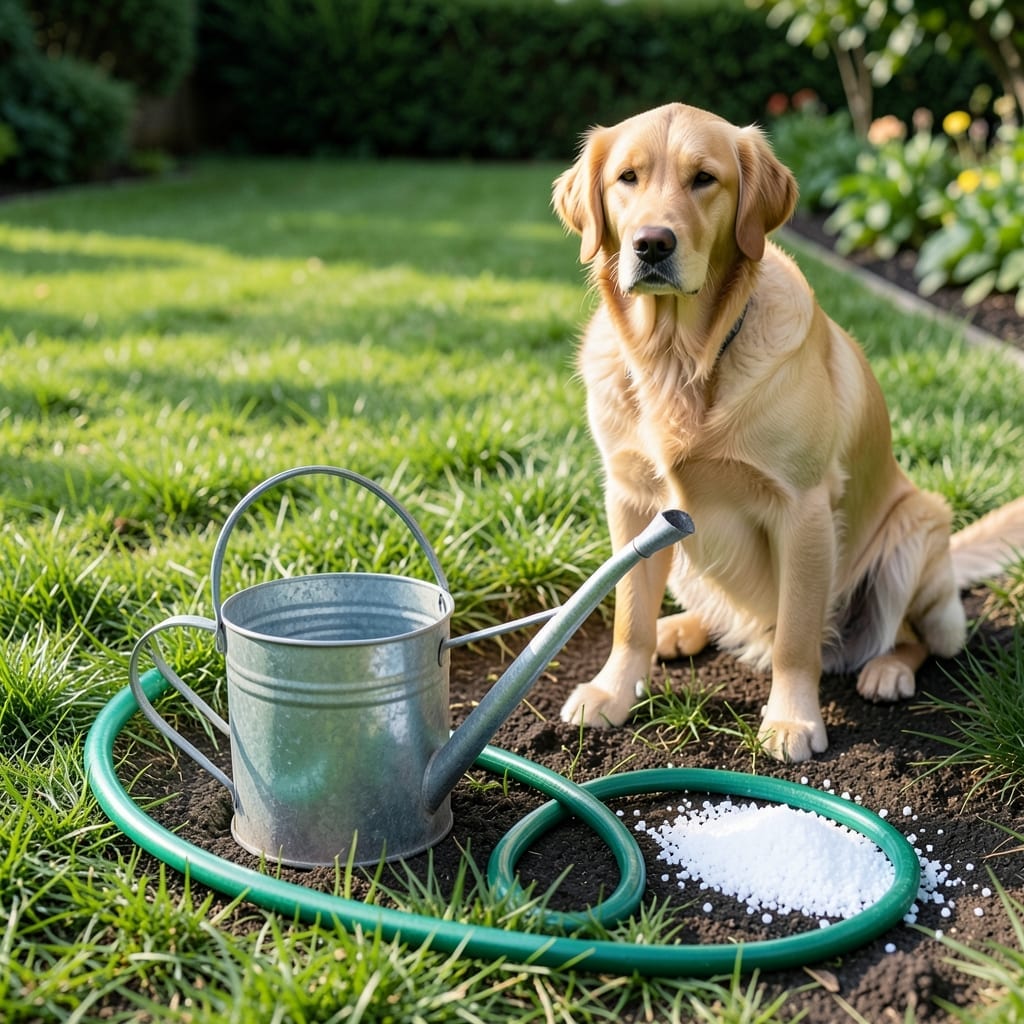
Yellow spots on your lawn from dog urine don’t have to be permanent. I’ve tested multiple solutions, and the right approach can neutralize the damage and bring back vibrant green grass in weeks.
It’s not about the dog—it’s about the nitrogen. Too much in one spot burns the grass, but simple changes to your routine can prevent it. Watering the area immediately after your dog goes dilutes the concentration and saves your lawn.
Natural fixes like gypsum or a baking soda mix work wonders for existing stains. For long-term results, train your dog to use a designated area or switch to a nitrogen-balanced lawn fertilizer.
This isn’t just about aesthetics—healthy grass resists future damage better. Here’s how to keep your yard looking its best, no matter how often your pup marks its territory.
Dog urine can turn your lush green lawn into a patchy, brown eyesore—and it’s not just bad luck. The issue stems from a few key scientific factors that interact with your grass. Here’s what’s really going on beneath the surface.
Dog urine is packed with urea, a nitrogen-rich compound that breaks down into ammonia when exposed to soil bacteria. While nitrogen is a natural fertilizer in small amounts, the concentrated dose in urine overwhelms grass roots, causing chemical burns. Think of it like over-fertilizing a plant—too much of a good thing becomes toxic.
Canine urine is typically acidic (pH 5.5–7.0), but its salt content can also create alkaline hotspots in soil. Grass thrives in a neutral pH (6.0–7.0), so when urine disrupts this balance, it weakens the blades and stunts growth. The result? Yellow or brown patches where the pH swing was most severe.
Beyond nitrogen, urine contains sodium, chloride, and other salts that pull moisture out of grass roots. This osmotic effect leaves the turf dehydrated and vulnerable. In dry climates or sandy soils, the damage is even faster because the salts aren’t flushed away by rainfall.
Pro tip: Female dogs often cause more noticeable stains because their urine is more concentrated (they squat in one spot), while male dogs’ markings are more diluted.
Dealing with brown patches from dog urine? Here’s how to tackle the root causes and restore your lawn’s green glory.
Dog pee is high in nitrogen, which burns grass. Dilute the spot immediately with water to reduce its concentration. For existing stains, mix 1 part white vinegar to 1 part water and pour it over the area to neutralize the nitrogen. A baking soda and water solution (1 tbsp baking soda per 1 quart of water) also works to balance the pH.
Once neutralized, remove dead grass and loosen the soil. Spread a thin layer of compost or topsoil, then replant with urine-resistant grass like fescue, ryegrass, or Kentucky bluegrass. Water the area regularly to help new growth take hold. For quick fixes, use grass seed patches or sod squares.
Encourage your pup to pee in a designated gravel or mulch area to protect the lawn. Use positive reinforcement (treats or praise) to redirect their habit. If your yard is small, consider artificial turf or a pee pad station for easy cleanup.
It’s all about concentration. When urine sits in one spot, the high nitrogen and salts overwhelm the grass. More diluted urine or areas with better drainage often show less damage. Female dogs’ urine tends to be more concentrated, causing worse burns.
Ideally, rinse the spot within 5-10 minutes to dilute the nitrogen and salts before they can damage the roots. The sooner you act, the better your chances of preventing a stain.
Yes! Fescue, ryegrass, and Kentucky bluegrass handle nitrogen better than others. These varieties recover faster and tolerate mild urine exposure without browning.
A mix of 1 tablespoon baking soda per quart of water or a 50/50 vinegar-water solution can neutralize urine and help restore the pH balance in the soil.