
Beautiful Plants For Your Interior
Beautiful Plants For Your Interior
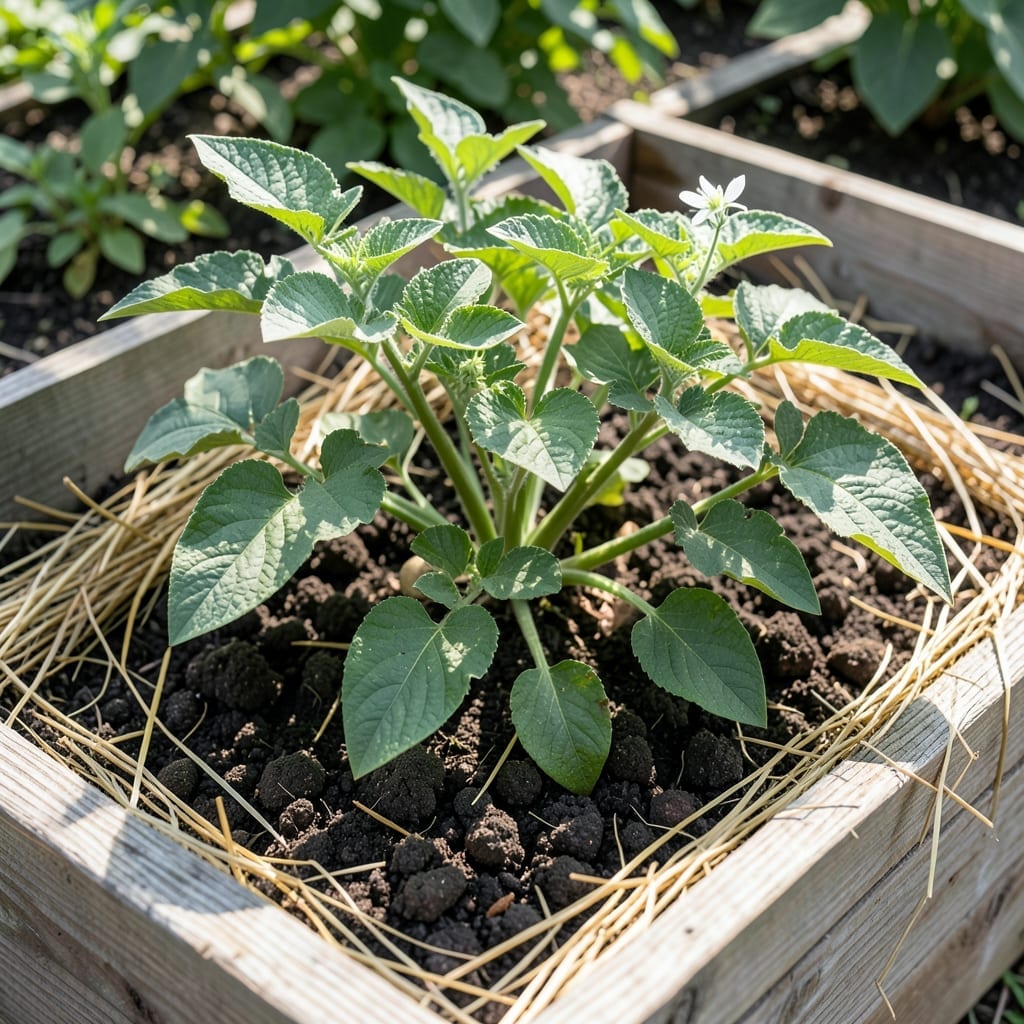
That sinking feeling when you pull out last year’s stored potatoes and they’re soft and foul-smelling. I’ve been there more times than I’d like to admit. Cellar rot sneaks up when you least expect it.
Early detection is your best defense. Look for dark spots, mushy texture, or that telltale sour smell. It often starts with just one bad apple—or potato—before spreading to everything nearby.
Prevention comes down to three things: proper curing, consistent temperatures, and good airflow. Get these right, and your harvest stays firm and fresh for months.
No fancy equipment needed—just smart storage habits and regular checks. Here’s how to keep your stored crops safe.
Cellar rot, a common and destructive issue in wine storage, stems from several environmental and biological factors. Understanding these root causes is the first step toward effective prevention.
Excessive humidity (above 70%) creates a breeding ground for mold and fungi, which thrive in damp, poorly ventilated spaces. Conversely, low humidity (below 50%) can dry out corks, allowing air to seep in and oxidize the wine. Temperature fluctuations—especially spikes above 75°F (24°C)—accelerate chemical reactions that degrade wine quality and encourage microbial growth.
Stagnant air traps moisture and spores, fostering mold colonies on corks, labels, and wooden racks. Without proper ventilation, ethanolic vapors from wine can also concentrate, attracting fungi like Aspergillus or Penicillium, which break down organic materials in your cellar.
Direct or prolonged exposure to UV light (even from LED bulbs) triggers photochemical reactions in wine, producing off-flavors and weakening cork integrity. UV rays also degrade wooden shelves and cardboard boxes, releasing compounds that feed rot-causing microbes.
Using untreated wood, cardboard, or porous materials for shelving introduces spores and bacteria. Mold-resistant paints or sealed metals are safer alternatives. Additionally, dust accumulation on bottles or surfaces provides nutrients for fungi, while spilled wine or organic residues (e.g., fruit flies, dead insects) accelerate decay.
Failing to inspect bottles for cork taint or microscopic cracks allows oxygen and microbes to enter. Similarly, ignoring early signs like musty odors or white fungal spots on corks permits rot to spread unchecked. Regular cleaning with vinegar or hydrogen peroxide solutions (not bleach) disrupts spore growth before it escalates.
Cellar rot can be a stubborn problem, but with the right approach, you can treat and prevent it effectively. Below are targeted solutions for the most common causes, along with prevention tips to keep your cellar healthy long-term.
Poor drainage or high humidity is a leading cause of cellar rot. Start by inspecting your cellar for standing water or damp spots. Install a French drain or use a sump pump to redirect water away from the foundation. For ventilation, add dehumidifiers or small fans to circulate air and reduce moisture levels. Prevention tip: Seal cracks in walls or floors with waterproofing paint or epoxy to block water entry.
Stagnant air traps moisture and encourages rot. Open windows or vents when weather permits, and consider adding ventilation grates if your cellar lacks airflow. For a low-tech fix, place moisture absorbers like silica gel packs or charcoal briquettes around the space. Prevention tip: Store items on pallets or shelves to allow air to flow underneath.
Rotting wood, leaves, or old storage materials can harbor fungi and bacteria. Remove all debris and scrub surfaces with a vinegar-water solution (1:1 ratio) or a mild bleach mix (1 part bleach to 10 parts water). Replace damaged wooden shelves or crates with rot-resistant materials like plastic or treated lumber. Prevention tip: Regularly sweep and inspect your cellar to catch early signs of decay.
Dark, damp cellars are a breeding ground for rot. Install LED grow lights or low-wattage bulbs to discourage fungal growth. Even a few hours of light daily can make a difference. Prevention tip: Use motion-sensor lights to save energy while keeping the space less inviting to rot-causing organisms.
By addressing the root causes and staying proactive, you can stop cellar rot in its tracks and maintain a dry, functional space.
Keep humidity between 50-70% to discourage mold and fungi. Use a dehumidifier if levels rise above this range.
Check stored items weekly for early signs like musty odors or white spots. A quick scan takes 5 minutes and prevents major issues.
No, untreated wood absorbs moisture and harbors spores. Use sealed metal or mold-resistant materials instead.
Scrub surfaces with a 1:1 vinegar-water solution or mild bleach mix. Avoid harsh chemicals that can damage corks.