
Beautiful Plants For Your Interior
Beautiful Plants For Your Interior
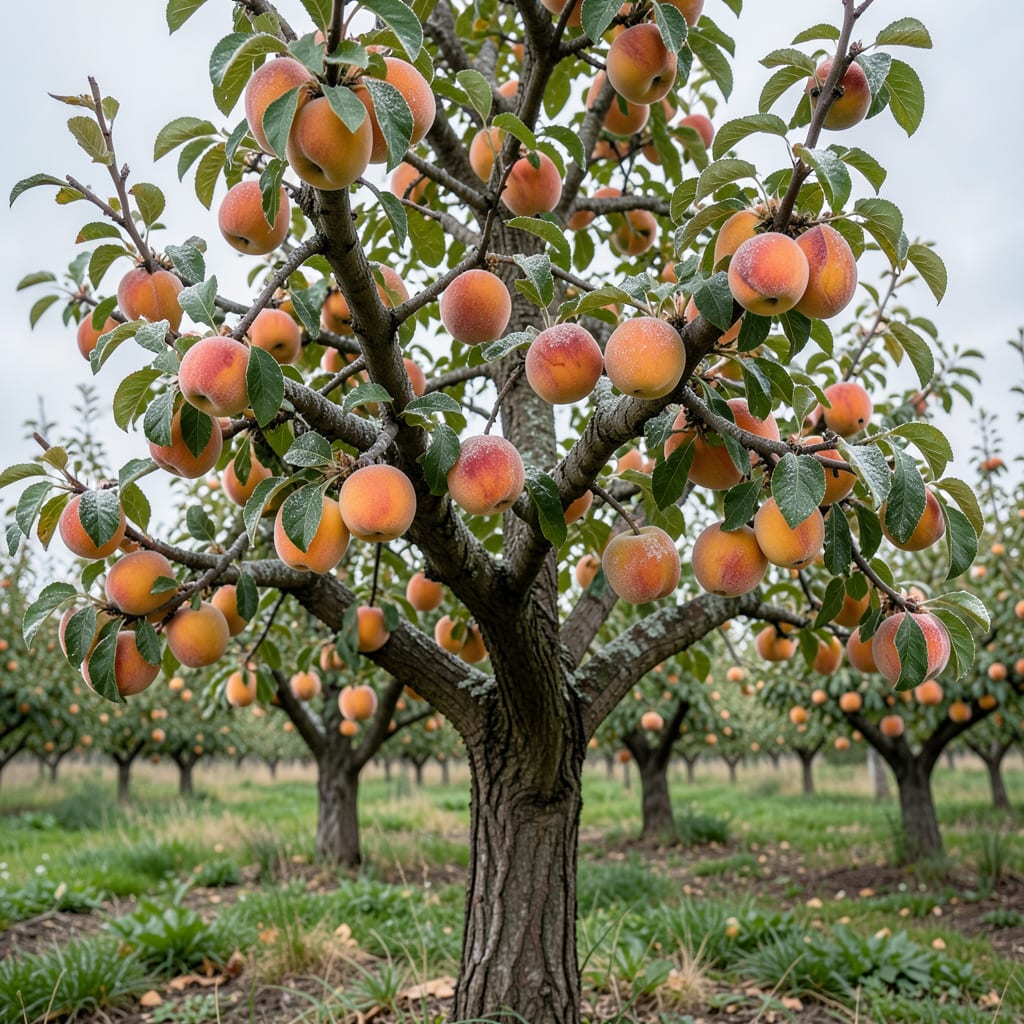
That white dust on your peach leaves isn’t pollen—it’s trouble. I first noticed powdery mildew on my trees after a wet spring, and ignoring it cost me half my harvest that year.
The fungus spreads fast in humid weather, coating leaves and fruit in a powdery film. It weakens the tree and ruins fruit quality, but the good news is it’s treatable without harsh chemicals.
I saved my next crop with simple organic sprays and better air circulation. The key is catching it early—before it takes over the canopy.
Works for young and mature trees alike. Here’s how to spot it and stop it in its tracks.
Powdery mildew on peach trees is a fungal disease caused by Podosphaera pannosa, thriving under specific environmental and cultural conditions. Understanding these triggers helps in prevention and early intervention.
The fungus flourishes in humid environments (70-90% relative humidity) combined with warm temperatures (60-80°F). Unlike other fungal diseases, powdery mildew does not require free water to germinate—high atmospheric moisture is sufficient. This is why peach trees in crowded orchards or areas with poor air circulation are more susceptible.
Dense canopies or overcrowded plantings restrict airflow, creating a microclimate that traps humidity. Prune peach trees annually to open the center and improve ventilation. This reduces leaf wetness duration and discourages spore germination.
While powdery mildew doesn’t need water to spread, wetting foliage during irrigation can exacerbate humidity levels around leaves. Use drip irrigation at the base of the tree to keep foliage dry and minimize conducive conditions.
Some peach tree cultivars are genetically more vulnerable. Varieties like ‘Redhaven’ or ‘Elberta’ are known to be highly susceptible. If powdery mildew is a recurring issue, consider planting resistant varieties like ‘Reliance’ or ‘Contender’.
Over-fertilizing with nitrogen promotes lush, tender growth, which is more prone to infection. Balance fertilization with potassium and phosphorus to strengthen cell walls and improve natural resistance.
Powdery mildew on your peach tree can feel overwhelming, but don’t worry—these practical fixes will help you restore health and prevent future outbreaks. Start treating at the first sign of white, powdery spots for the best results.
Overcrowded branches trap moisture and limit airflow, creating a haven for mildew. Prune infected branches immediately, cutting at least 6 inches below visible spores. Thin out dense areas to improve ventilation. Space trees at least 10–15 feet apart if planting new ones.
Prevention tip: 💡 Prune in late winter when the tree is dormant to reduce stress and encourage strong growth.
Mildew thrives in damp conditions. Water at the base of the tree in the early morning to allow foliage to dry quickly. Avoid overhead sprinklers, which wet leaves and promote spore growth. If your soil retains too much moisture, amend with compost or create small mounds to improve drainage.
Prevention tip: 🌡️ Use a mulch layer (2–3 inches deep) to regulate soil moisture and prevent water splashing onto leaves.
For mild cases, spray with a baking soda solution (1 tablespoon baking soda + 1 teaspoon dish soap + 1 gallon water) every 7–10 days. For tougher infections, use neem oil or sulfur-based sprays (follow label instructions). Apply in the evening to avoid leaf burn from sun exposure.
Prevention tip: ✨ Rotate treatments to prevent fungal resistance, and always spray both sides of leaves.
A stressed tree is more vulnerable. Fertilize lightly with a balanced organic fertilizer (e.g., 10-10-10) in early spring, but avoid over-fertilizing, which can promote tender, mildew-susceptible growth. Remove fallen leaves and debris regularly to eliminate spore sources.
Prevention tip: 🎯 Keep the area around the tree clean and monitor for early signs of stress, like yellowing leaves.
It starts as small white spots on the upper leaf surface. These quickly spread into a powdery coating that can cover entire leaves, stems, and fruit. Check the undersides too, as spores often appear there first.
Yes, but wash them thoroughly first. The fungus doesn’t penetrate fruit deeply, but the white coating can affect flavor and appearance. Severely infected fruit may crack or rot prematurely.
For organic options like neem oil, apply every 7-10 days during humid weather. After rain, reapply immediately. Always follow product instructions for sulfur-based treatments.
No, if done properly. Sterilize pruners between cuts with rubbing alcohol. Remove infected branches during dry weather and dispose of them far from the tree. Never compost diseased plant material.
