
Beautiful Plants For Your Interior
Beautiful Plants For Your Interior
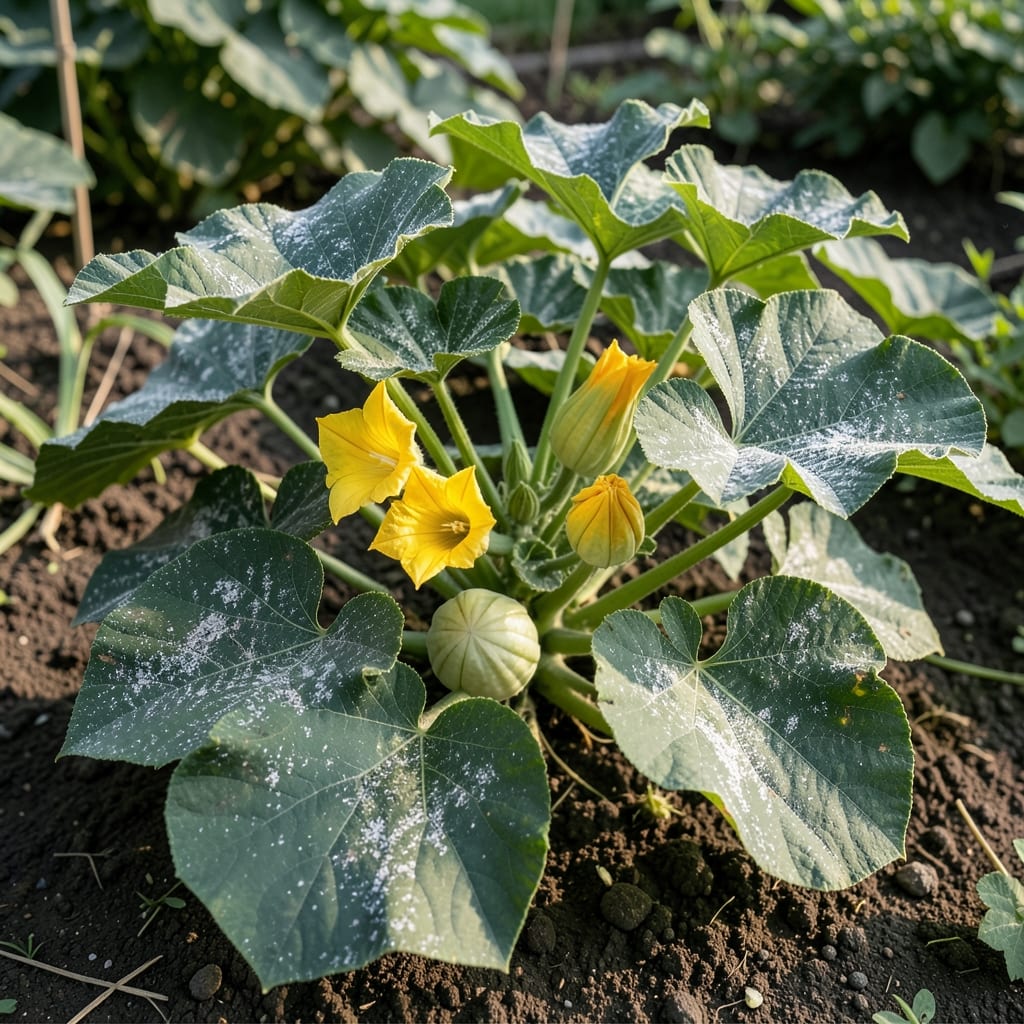
White dust on your squash leaves isn’t just unsightly—it’s powdery mildew stealing your harvest. I lost an entire zucchini crop to this once, and I’m determined to help you avoid the same fate.
This fungal invader thrives in warm, dry conditions with high humidity at night. The good news? You can fight back with simple, organic solutions that work fast and prevent future outbreaks.
Within 48 hours of treatment, you’ll see the white spots stop spreading. Consistent prevention keeps your plants healthy and productive all season long.
No fancy equipment needed—just household items and a little diligence. Your squash plants will thank you with a bumper crop.
Powdery mildew on squash plants is a common fungal disease that thrives under specific conditions. Understanding the root causes can help you prevent and manage it effectively. Here are the primary factors:
This fungus, often Podosphaera xanthii or Erysiphe cichoracearum, flourishes in environments with high relative humidity (70-90%) combined with poor air circulation. Dense plant canopies or crowded garden beds trap moisture, creating the perfect breeding ground for spores. Unlike many fungi, powdery mildew doesn’t require free water to germinate—just humid air.
Squash plants are especially vulnerable when daytime temperatures range from 68–80°F (20–27°C) and nights cool significantly. These temperature swings stress the plants and slow their natural defenses, giving the fungus an opening to infect leaves, stems, and even fruit.
Watering from above wets the foliage, and while powdery mildew doesn’t need water to spread, moist leaf surfaces can accelerate spore germination. Late-day watering is particularly risky, as leaves stay damp overnight, increasing susceptibility.
Some squash varieties, like zucchini and pumpkins, are more prone to powdery mildew due to their genetic makeup. Older or stressed plants also have weaker defenses, making them easier targets for fungal spores carried by wind or splashing water.
Tackling powdery mildew on your squash plants is easier than you think. Start by addressing the root causes with these straightforward, organic solutions.
Overcrowded plants trap humidity, creating a playground for powdery mildew. Fix it by pruning dense foliage to improve airflow. Remove the oldest, most affected leaves first—these are often the most vulnerable. Prevention tip: Space squash plants at least 2-3 feet apart when planting to allow air to circulate freely. 💡
Wet leaves are a breeding ground for spores. Fix it by watering at the base of the plant using a soaker hose or drip irrigation system. This keeps foliage dry while delivering moisture directly to the roots. Prevention tip: Water early in the morning so any accidental splashes on leaves dry quickly in the sunlight. ☀️
For active infections, spray leaves with a mix of 1 tablespoon baking soda + 1 teaspoon liquid soap + 1 gallon of water. Apply weekly or after rain for best results. Neem oil (mixed with water and a drop of soap) is another effective organic option. Prevention tip: Rotate treatments to prevent fungal resistance. ✨
Healthy plants resist disease better. Fix it by spraying leaves with compost tea, which strengthens cell walls and deters spores. Prevention tip: Fertilize with balanced organic compost to keep plants vigorous from the start. 🌱
Consistency is key—combine these fixes with regular monitoring to keep powdery mildew at bay and your squash thriving!
Yes, the fruit is safe to eat if you wash it thoroughly. The mildew only affects the leaves and stems. Just avoid consuming any visibly moldy parts.
Apply weekly or after rain for active infections. For prevention, spray every 2-3 weeks. Always use in the morning so leaves dry quickly.
Yes, spores travel easily by wind. Isolate infected plants and treat neighbors preventatively. Remove severely affected leaves to stop the spread.
Prune infected leaves immediately, then apply neem oil or baking soda spray. Improve airflow and stop overhead watering for best results.