
Beautiful Plants For Your Interior
Beautiful Plants For Your Interior
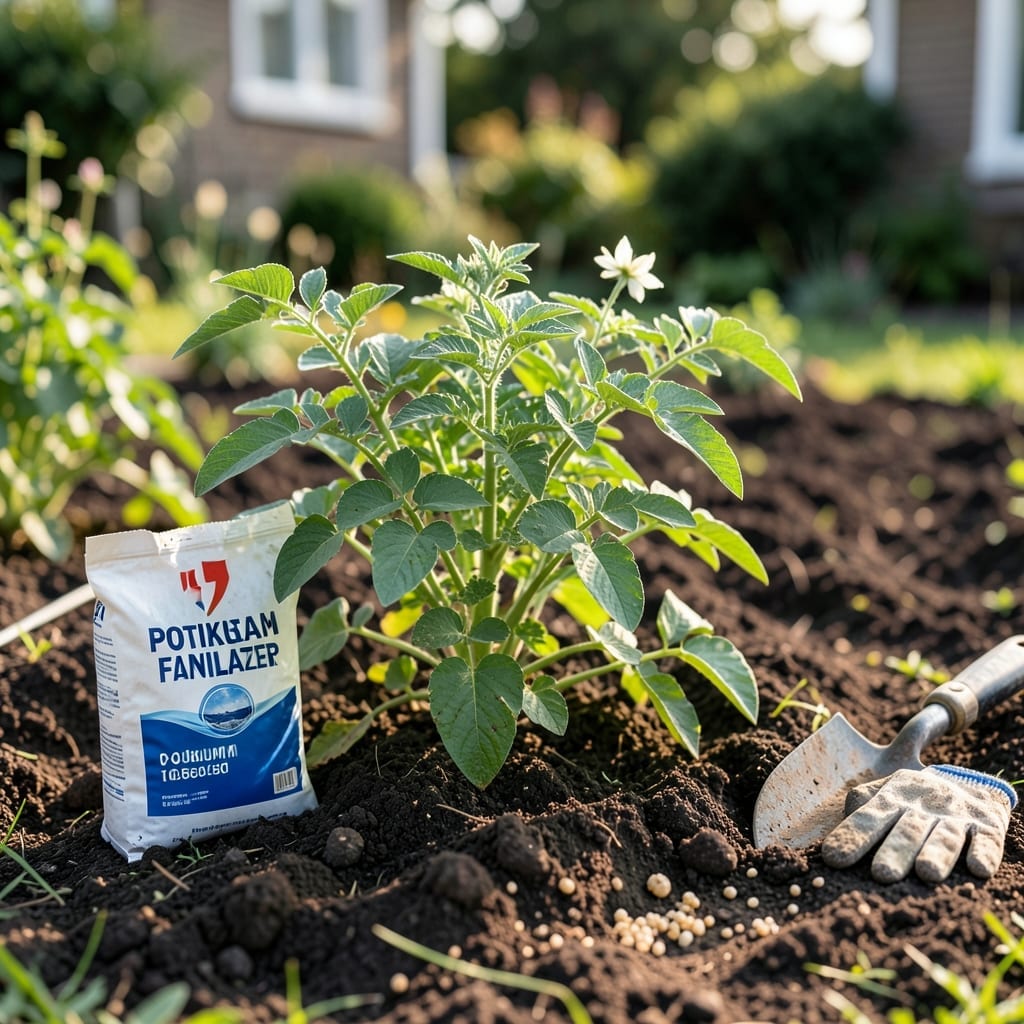
Potatoes thrive on potassium, but using the wrong fertilizer can stunt growth or waste money. I’ve seen gardeners struggle with weak plants and small yields, all because they missed this key nutrient.
With the 🥔 potato season in spring, now’s the time to get it right. The right potassium boost can transform your harvest from mediocre to impressive.
Discover how to choose and apply the best options for your soil. Whether you’re a beginner or seasoned gardener, these tips will make a difference.
Let’s dig into the simple yet effective ways to give your potatoes the potassium they crave for bigger, healthier tubers.
Potassium is the unsung hero for potato plants, driving tuber formation and overall health. Without enough, your potatoes may struggle to develop properly, leading to smaller yields and weaker plants. I’ve seen firsthand how a potassium boost can transform a lackluster crop.
This nutrient helps regulate water balance within the plant and strengthens disease resistance, which is crucial for potatoes. It also improves the quality of tubers, making them firmer and more flavorful. ☀️
| Function | Benefit |
|---|---|
| Tuber Formation | Increases size and quantity |
| Disease Resistance | Fights off fungal infections |
| Water Regulation | Prevents drought stress |
| Nutrient Uptake | Enhances root efficiency |
If your potatoes are lacking potassium, you’ll notice yellowing leaf edges and weak stems. The tubers may also be smaller than usual, which is a clear sign your soil needs a boost. I always recommend testing your soil before adding any fertilizer.
A simple soil test can reveal your potassium levels. Most potatoes thrive when soil has 100-150 ppm of potassium. If your levels are low, it’s time to supplement. Organic matter, like compost, can help, but sometimes a targeted fertilizer is needed.
Timing matters too. Apply potassium before planting to give your potatoes a strong start. Then, consider a side-dressing when the plants are about 6 inches tall. This ensures they have a steady supply throughout the growing season.
Over-application can be just as harmful as a deficiency. Too much potassium can interfere with calcium and magnesium uptake, leading to other nutrient imbalances. Always follow the recommended rates for your chosen fertilizer.
Potassium sulfate is a popular choice because it’s high in potassium and low in chloride, which is better for potatoes. Greensand and wood ash are great organic options, but they release nutrients more slowly. Each has its place depending on your soil’s needs.
Remember, healthy potatoes start with healthy soil. If you’re unsure about your soil’s condition, a professional test can provide detailed insights. I’ve found that even small adjustments can lead to bigger, healthier tubers. 🌱
Finally, keep an eye on your plants throughout the season. If you notice stunted growth or poor tuber development, it might be time to reassess your potassium strategy. With the right approach, you’ll be rewarded with a bumper crop of delicious potatoes.
Potatoes need potassium to develop strong tubers and resist disease. Without it, you’ll see weak stems and small harvests. I always test my soil first to know exactly what’s missing.
The best potassium sources include potassium sulfate, greensand, and wood ash. Each has unique benefits, so choosing the right one depends on your soil’s needs and your gardening style.
| Fertilizer | Type | Application Rate | Timing |
| Potassium Sulfate | Synthetic | 1-2 lbs/100 sqft | Pre-planting |
| Greensand | Organic | 5-10 lbs/100 sqft | Pre-planting |
| Wood Ash | Organic | 1-2 cups/plant | Spring |
| Muriate of Potash | Synthetic | 1 lb/100 sqft | Side-dressing |
Potassium sulfate is my go-to for quick results. It’s highly soluble, so potatoes absorb it fast. I apply it at planting and again when the first shoots appear.
For organic gardeners, greensand is a slow-release option. It improves soil structure while adding potassium. I mix it into the soil before planting for long-term benefits.
Wood ash is another organic choice, but I use it sparingly. It raises soil pH, so I test my soil first to avoid making it too alkaline for my potatoes.
Muriate of potash is budget-friendly but can harm plants if overused. I prefer it for side-dressing when plants are 6 inches tall, ensuring they get a boost during growth.
Always water after applying fertilizers to help nutrients reach the roots. This simple step can make all the difference in your harvest 🌱