
Beautiful Plants For Your Interior
Beautiful Plants For Your Interior
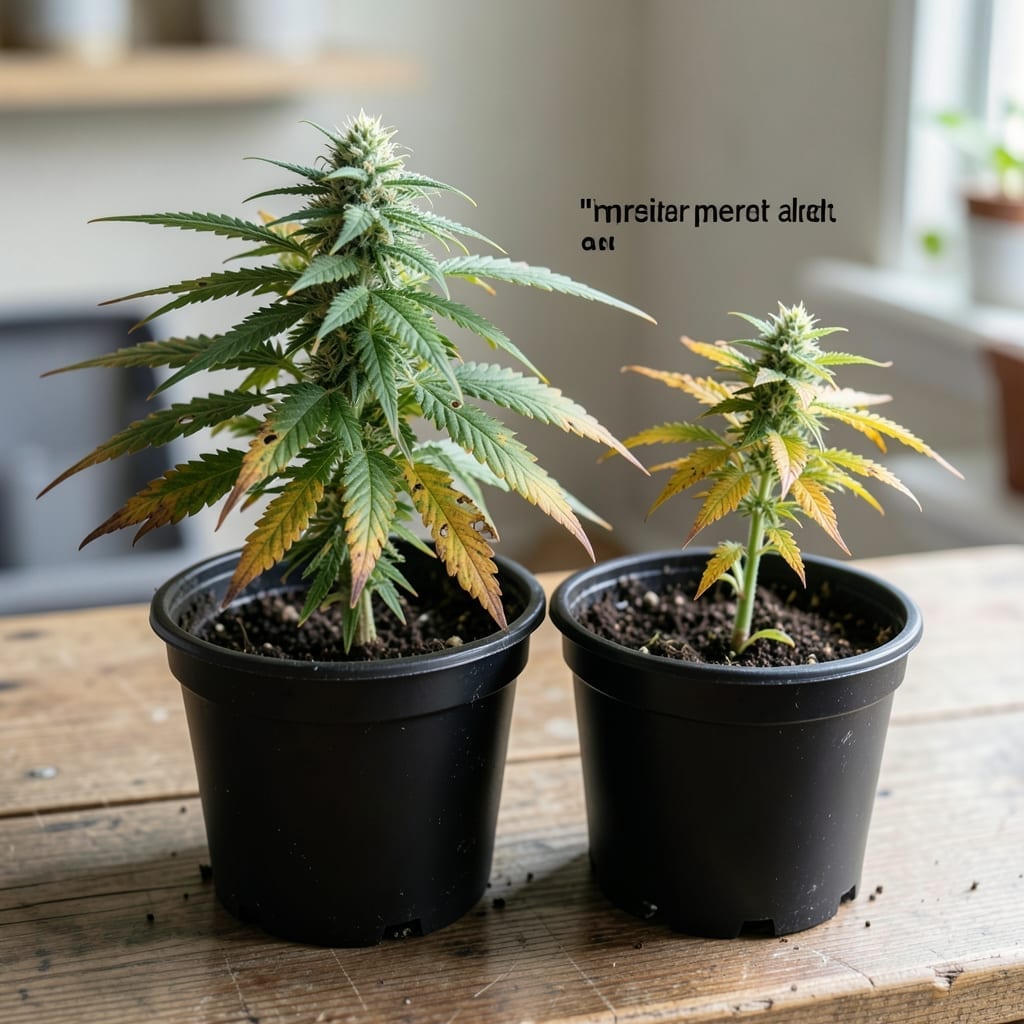
Yellow leaves, wilting stems, or stunted growth in your pots? I’ve seen these issues derail even the most promising container gardens. The good news is that most problems have simple fixes once you know what to look for.
Overwatering, nutrient deficiencies, and root-bound plants are the usual suspects. I’ve killed my share of potted plants by loving them too much with water or ignoring their cramped roots. But with a few adjustments, your plants can bounce back fast.
This guide helps you spot the warning signs early and take action before it’s too late. You’ll learn to read your plants like a pro, catching issues before they spiral out of control.
Works for herbs, veggies, or flowers—anything growing in containers. Let’s get your pots thriving again.
Understanding the root of pot growing problems starts with recognizing the key factors that disrupt plant health. Here’s why these issues arise, broken down by cause:
Excess water suffocates roots by displacing oxygen in the soil, leading to root rot. Poor drainage exacerbates this, as water pools and fosters fungal growth. Clay-heavy or compacted soil often traps moisture, making it harder for roots to breathe.
Plants need a precise mix of nitrogen (N), phosphorus (P), and potassium (K), along with micronutrients like magnesium and calcium. Over-fertilizing can cause nutrient burn (brown leaf tips), while deficiencies lead to stunted growth or yellowing leaves (chlorosis). pH levels outside the 6.0–7.0 range can also lock out nutrients, even if they’re present.
Common culprits like spider mites, aphids, or whiteflies sap nutrients from leaves, weakening the plant. These pests thrive in dry, stagnant conditions or when plants are stressed from poor care. Fungal gnats, attracted to overly moist soil, can also damage roots.
Extreme temperatures (below 50°F or above 85°F) slow metabolism, while inconsistent lighting (too little or too much) disrupts photosynthesis. Low humidity causes leaf edges to crisp, and drafts or sudden temperature swings can shock the plant, halting growth.
Some strains are prone to specific problems, like hermaphroditism (stress-induced male flowers) or weak stems. Poor pruning, overcrowding, or transplant shock can also trigger stress responses, including wilting or unusual leaf patterns.
When your plants show signs of trouble, quick action can save the day. Below are practical fixes for the most common potting issues, along with tips to keep them from coming back.
Yellow leaves often mean a nitrogen deficiency. Fix it by adding a balanced, water-soluble fertilizer (10-10-10 works well). Dilute to half strength for potted plants to avoid burning roots. For organic growers, try compost tea or fish emulsion.
Prevention tip: 💡 Feed plants every 2–4 weeks during the growing season and flush the soil with plain water monthly to prevent salt buildup.
Overwatering and underwatering both cause wilting. Check the soil: Stick your finger 1–2 inches deep. If it’s bone dry, water thoroughly until it drains from the bottom. If it’s soggy, let it dry out and improve drainage by adding perlite to the mix.
Prevention tip: ✨ Use pots with drainage holes and a well-draining potting mix. Water only when the topsoil feels dry.
Spotted spider mites, aphids, or fungus gnats? First, isolate the affected plant. Spray leaves with a mix of 1 tsp neem oil + 1 quart water + a few drops of dish soap. For gnats, let the topsoil dry out and use yellow sticky traps.
Prevention tip: 🎯 Keep your growing area clean, remove dead leaves promptly, and avoid overwatering.
Leggy or slow-growing plants usually need more light. Move them to a sunnier spot or supplement with a grow light (12–16 hours/day). Crowded roots? Repot into a container 2 inches larger in diameter.
Prevention tip: 🌡️ Rotate pots weekly for even light exposure and repot every 1–2 years to refresh the soil.
White mold or powdery mildew thrives in damp, still air. Remove affected leaves and increase ventilation with a small fan. Reduce humidity and avoid wetting the foliage when watering.
Prevention tip: 🔥 Space plants apart for airflow and water early in the day so leaves dry quickly.
Check the top 1-2 inches of soil first. Water when it feels dry, usually every 3-7 days depending on plant type and climate. Always use pots with drainage holes to prevent overwatering.
Yellow leaves often signal nutrient deficiency or overwatering. Try a balanced fertilizer and check soil moisture. If the soil is soggy, let it dry out before watering again.
Let the topsoil dry completely between waterings. Use yellow sticky traps and consider a hydrogen peroxide solution for the soil. Prevent future infestations by avoiding overwatering.
A well-draining mix with perlite or vermiculite works best. Avoid garden soil, as it compacts in pots. Add compost for nutrients and ensure your mix retains moisture without staying soggy.