
Beautiful Plants For Your Interior
Beautiful Plants For Your Interior
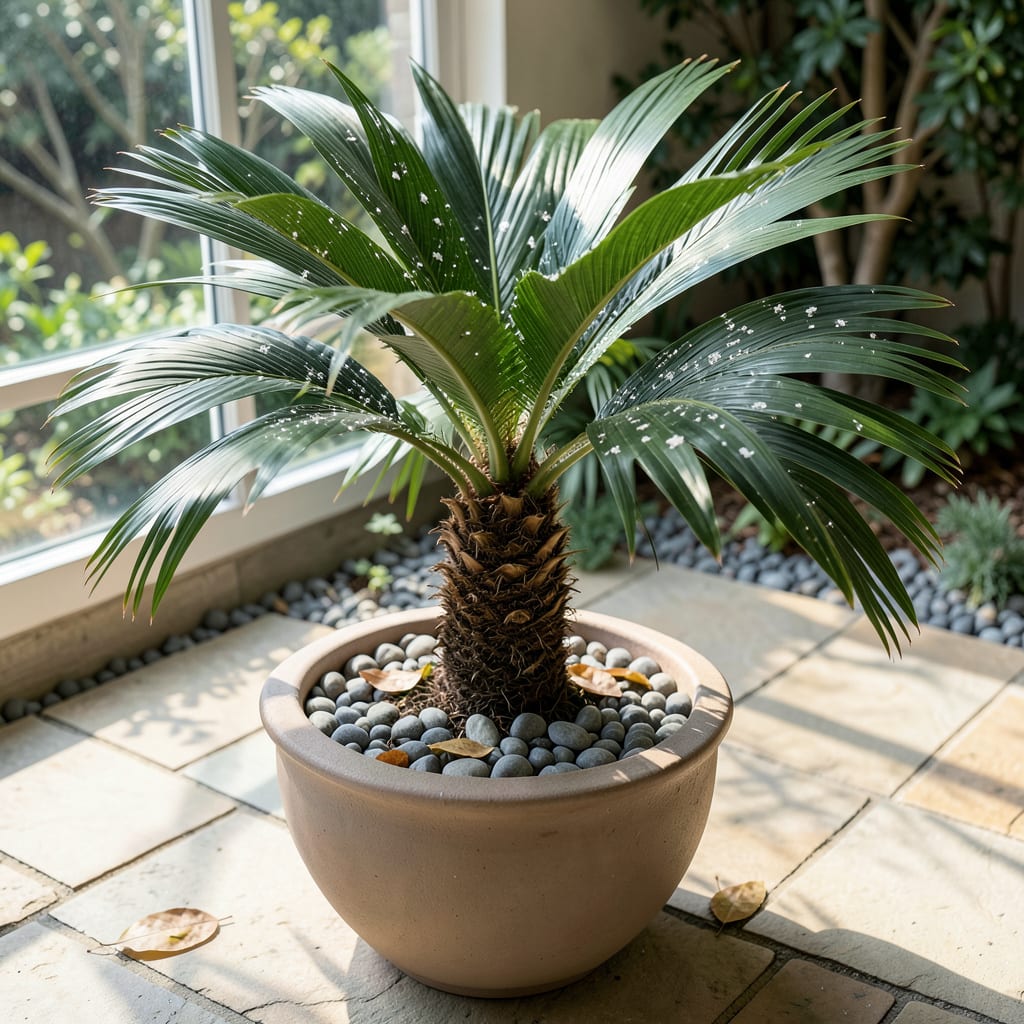
White spots on your ponytail palm are trying to tell you something. I ignored mine for weeks until the damage spread, but I’ve since learned these blemishes usually signal fungal trouble or environmental stress.
Most cases come down to overwatering, poor air circulation, or humidity issues. The good news? Organic fixes like neem oil, baking soda sprays, and better drainage can stop the spread and restore your plant’s health.
With the right approach, you’ll see new growth emerging clean and green within 2-3 weeks. The key is catching it early before the spots multiply and weaken the plant.
Works for indoor and outdoor palms alike. Here’s how to diagnose and treat it properly.
White spots on your ponytail palm usually signal an underlying issue, often tied to environmental stress or pathogens. Below are the most common causes, explained with actionable insights.
Fungi like Powdery Mildew or Botrytis thrive in humid, poorly ventilated conditions. These pathogens create white, powdery or fuzzy spots on leaves by feeding on plant tissues. Overwatering or high humidity (above 60%) accelerates their growth. Action: Improve airflow and reduce moisture on foliage.
Tap water rich in calcium or magnesium can leave chalky white residues on leaves after evaporation. This is purely cosmetic but can block stomata if excessive. Action: Use filtered or distilled water, and wipe leaves gently with a damp cloth.
Intense direct sunlight can bleach sections of the leaves, creating dry, white patches. Ponytail palms prefer bright, indirect light. Action: Move the plant to a spot with dappled shade, especially in peak afternoon hours.
Mealybugs and spider mites leave cottony white clusters or stippling on leaves as they feed. These pests weaken the plant and excrete honeydew, which can attract sooty mold. Action: Inspect undersides of leaves and treat with neem oil or insecticidal soap.
Addressing white spots on your ponytail palm starts with identifying the root cause. Below are practical solutions tailored to common issues, along with prevention tips to keep your plant thriving. 🌿
Fungal issues like powdery mildew often cause white, powdery spots. To fix this:
Prevention tip: 💡 Increase airflow around your plant by spacing it away from others and ensuring good ventilation in the room.
White spots can also signal edema or root rot from excess water. Here’s how to correct it:
Prevention tip: ✨ Water only when the top 1-2 inches of soil are dry. Stick your finger in to test!
Mealybugs and spider mites leave white, cottony spots. Combat them with:
Prevention tip: 🎯 Inspect new plants before bringing them home and quarantine if needed.
Direct, harsh sunlight can scorch leaves, leaving white or brown patches. To fix:
Prevention tip: 🌡️ Ponytail palms love light but prefer it gentle—think east or north-facing windows.
Fungal spots are usually powdery or fuzzy, while mineral deposits appear as dry, chalky residue. Fungal spots often spread, while mineral deposits stay in one place.
Yes! Overwatering can lead to edema or root rot, which may manifest as white spots on leaves. Always let the soil dry completely between waterings.
Wipe leaves with 70% isopropyl alcohol on a cotton ball, then spray with insecticidal soap. Repeat every 3-5 days until gone.
