
Beautiful Plants For Your Interior
Beautiful Plants For Your Interior
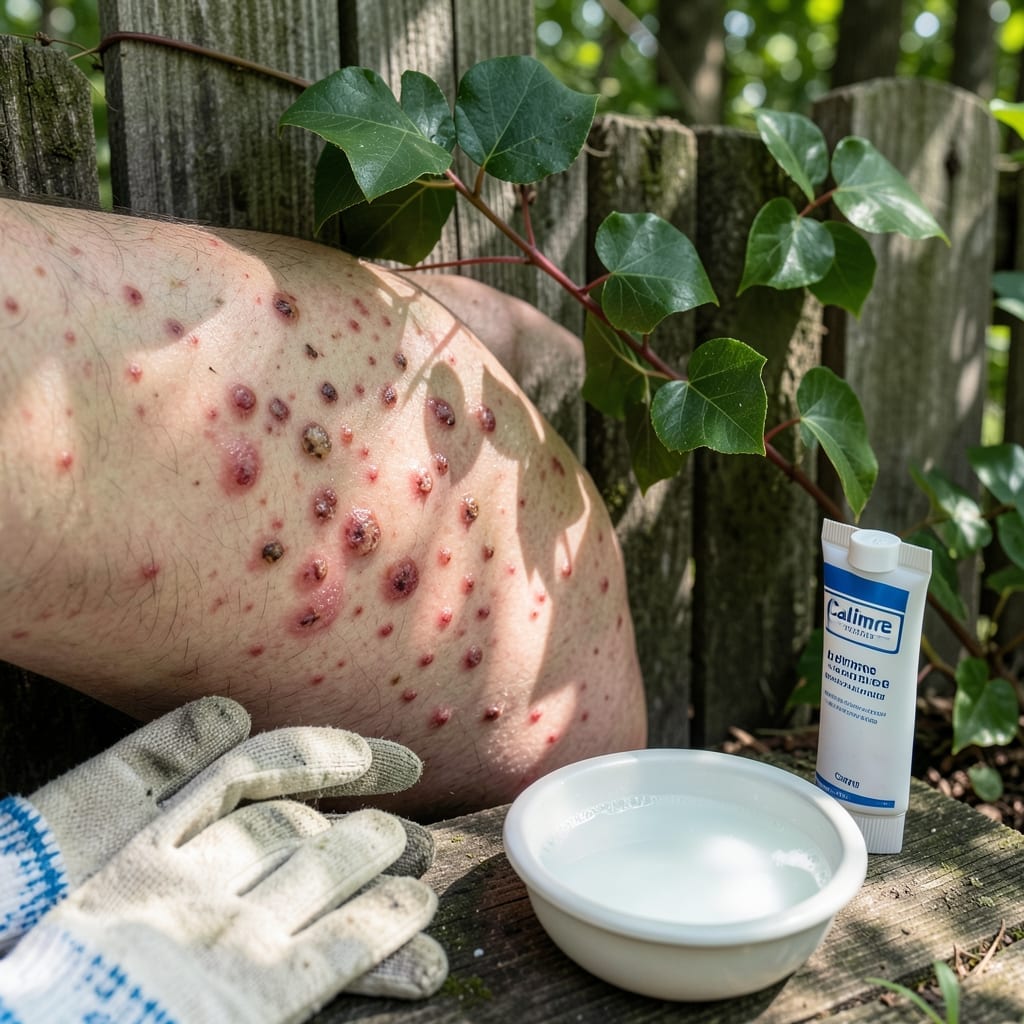
Three leaves, one unforgettable mistake. I learned to spot poison ivy the hard way—after a weekend of gardening left me with a blistering rash that lasted 2 weeks.
What starts as a red, itchy line quickly turns into oozing blisters if you don’t act fast. The healing process has distinct stages, and knowing them helps you track recovery and ease the discomfort.
With the right care—cool compresses, oatmeal baths, and avoiding scratching—you can speed up healing and prevent spreading. The itch fades first, then the blisters dry and crust over.
Prevention is simpler than treatment. Learn to identify the plant, wash exposed skin immediately, and wear long sleeves when working in brushy areas.
The itchy, inflamed rash caused by poison ivy is an allergic reaction triggered by urushiol, a natural oil found in the plant’s leaves, stems, and roots. Here’s why it happens:
Urushiol is a potent allergen that binds to skin proteins upon contact. The immune system recognizes it as a threat and releases histamine, leading to redness, swelling, and blisters. Even indirect contact—like touching contaminated tools or pet fur—can spread the oil.
About 85% of people are allergic to urushiol. When the oil penetrates the skin, the body’s T-cells misidentify it as harmful, launching an inflammatory response. This causes the rash’s signature itching and blisters as the body tries to “fight off” the perceived invader.
Symptoms don’t appear immediately—it takes 12 to 48 hours for the rash to develop after exposure. This delay happens because the immune system needs time to recognize and react to urushiol. The rash then progresses through stages (blisters, oozing, crusting) as the skin heals.
Pro tip: Washing skin within 10–15 minutes of exposure can remove urushiol and prevent or reduce the rash.
Dealing with a poison ivy rash? Here’s how to tackle it at every stage, with fixes mapped to the root causes and handy prevention tips.
Cause: Urushiol oil triggers an allergic reaction.
Fix: Wash the affected area immediately with cool water and soap (like Tecnu) to remove the oil. Apply calamine lotion or hydrocortisone cream to reduce itching. For severe cases, oral antihistamines (e.g., Benadryl) can help.
Prevention Tip: 💡 Wear long sleeves and gloves when in wooded areas, and use barrier creams like Ivy Block.
Cause: Fluid-filled blisters form as the rash progresses.
Fix: Avoid popping blisters—this can spread infection. Keep the area clean and dry. Use wet compresses with Burow’s solution to soothe and dry out blisters. For pain, over-the-counter ibuprofen or acetaminophen works.
Prevention Tip: 🛡️ Shower and change clothes right after potential exposure to wash off urushiol before it binds to skin.
Cause: Prolonged exposure or re-exposure to contaminated objects (e.g., pet fur, gardening tools).
Fix: If the rash persists beyond 7–10 days, see a doctor. They may prescribe a steroid (like prednisone) to speed up healing. Clean everything that may have touched urushiol—clothes, shoes, even your dog’s leash!
Prevention Tip: 🎯 Learn to identify poison ivy (“leaves of three, let it be”) and avoid it.
✨ Pro Tip: Oatmeal baths or baking soda pastes can provide extra relief for stubborn itching.
The worst itching usually peaks 1-3 days after the rash appears and starts fading within 1 week. Over-the-counter creams can help manage the discomfort in the meantime.
Seek medical help if the rash covers a large area, appears on your face or genitals, or shows signs of infection like pus or fever. A doctor may prescribe steroids for severe cases.
No, the rash itself isn’t contagious. However, urushiol oil can spread to others through touch, clothing, or pets until it’s washed off completely.
Keep the area clean and dry, avoid scratching, and use cool compresses. Oatmeal baths and antihistamines can also help reduce symptoms faster.