
Beautiful Plants For Your Interior
Beautiful Plants For Your Interior
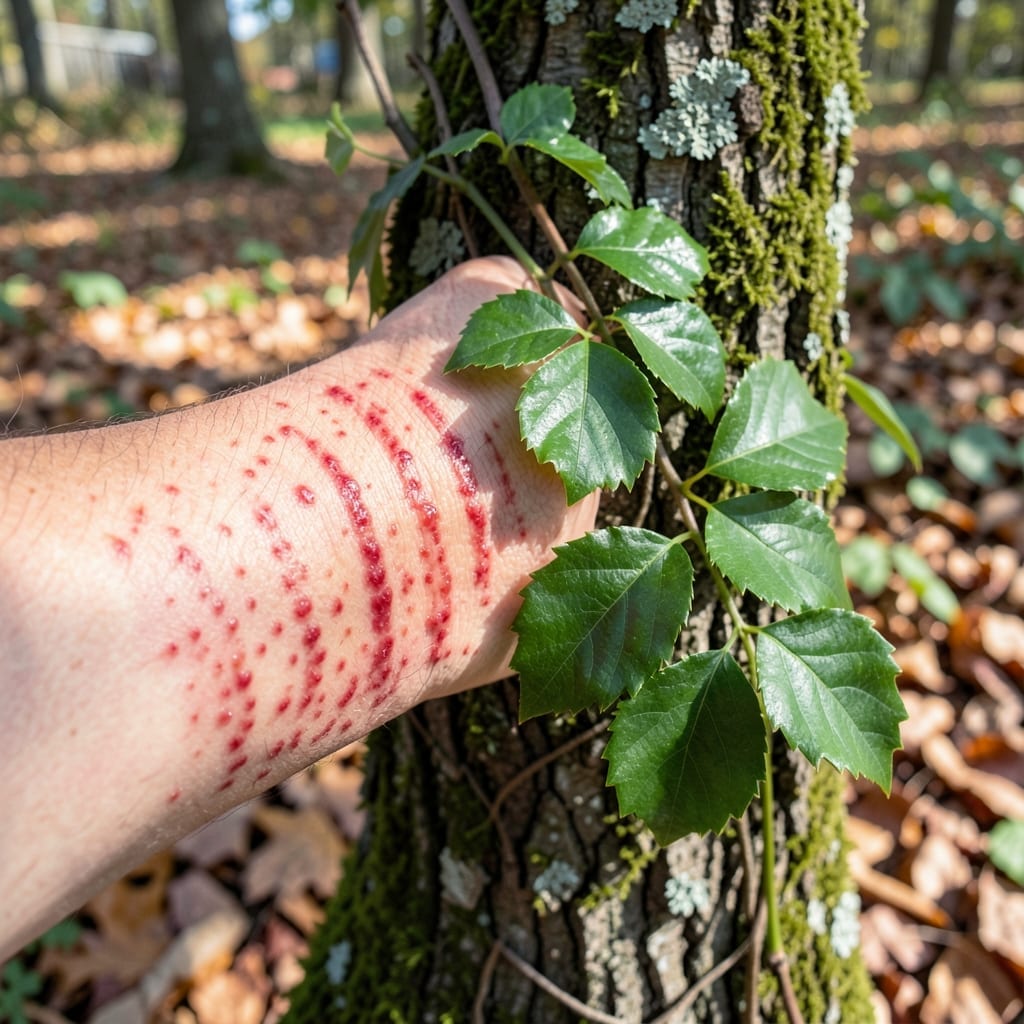
Three glossy leaves should make you pause. I learned this the hard way after brushing against a vine that looked harmless—until the red itchy blisters appeared the next day.
Poison ivy’s leaf pattern is the giveaway: leaflets of three, with the middle stem often longer. The rash starts as a red line or streak, then swells into blisters that ooze and crust over.
Wash exposed skin with soap and cool water immediately to remove the oil. If the rash appears, calamine lotion and cool compresses help soothe the itch while your body heals.
Wear long sleeves and gloves when working in areas where it grows. Learn to spot it in all seasons—spring’s red leaves, summer’s green, and fall’s yellow-orange hues.
The infamous poison ivy rash is an allergic contact dermatitis caused by exposure to urushiol, a clear, oily resin found in all parts of the poison ivy plant (Toxicodendron radicans). This compound is the primary culprit behind the red, itchy blisters that follow contact. Below are the key reasons why the rash develops:
Urushiol is present in the leaves, stems, and roots of poison ivy. When your skin comes into contact with the plant—or even with contaminated clothing, tools, or pet fur—the oil binds to skin proteins. Within 10–60 minutes, it penetrates the skin, triggering an immune response. The body mistakenly identifies urushiol as a threat, releasing histamine and other chemicals that cause inflammation, itching, and blistering. Even indirect contact (e.g., touching a jacket that brushed against the plant) can cause a reaction.
Not everyone reacts to urushiol, but about 85% of people are allergic to it. For those who are sensitive, the immune system launches a delayed hypersensitivity reaction. T-cells recognize urushiol as a foreign invader and release cytokines, leading to the characteristic rash. The first exposure may cause no reaction, but subsequent contacts often result in worsening symptoms due to immune memory.
The rash typically appears 12–48 hours after exposure but can take up to a week in some cases. It may seem to “spread” over time, but this is usually due to varying absorption rates or repeated contact with contaminated surfaces—not the fluid from blisters. Scratching can, however, introduce bacteria and lead to infection, so keeping the area clean is critical.
Understanding these triggers helps you avoid exposure and take quick action if contact occurs.
Dealing with a poison ivy rash can be uncomfortable, but these practical solutions will help you find relief and prevent future flare-ups.
If you suspect contact with poison ivy, wash the affected skin immediately with cool water and mild soap (like dish soap or specialized cleansers like Tecnu). This removes the plant’s oil (urushiol), which causes the rash. Do this within 10–30 minutes for the best chance of preventing a reaction.
For mild rashes, apply calamine lotion or hydrocortisone cream (1%) to reduce itching and inflammation. Oatmeal baths or cool compresses can also ease discomfort. Avoid scratching—it can lead to infection! For severe cases, see a doctor for oral steroids.
If blisters form, gently pat them dry and cover with a loose bandage to prevent spreading. Do not pop blisters—this can worsen the rash or cause infection. Use antiseptic ointment if blisters break open.
Act fast, treat smart, and stay rash-free! ✨
It typically develops within 12–48 hours, but can take up to a week. The timing varies based on your skin sensitivity and how much oil was transferred.
No, the rash itself isn’t contagious. But the oil can spread through touch—wash hands, clothes, and pets after exposure to prevent indirect contact.
Calamine lotion or cool compresses work best for mild cases. For severe itching, hydrocortisone cream or an oatmeal bath can help.
Blisters are your body’s reaction to the oil. They form as fluid builds up under the skin due to inflammation. Never pop them—this can cause infection.