
Beautiful Plants For Your Interior
Beautiful Plants For Your Interior
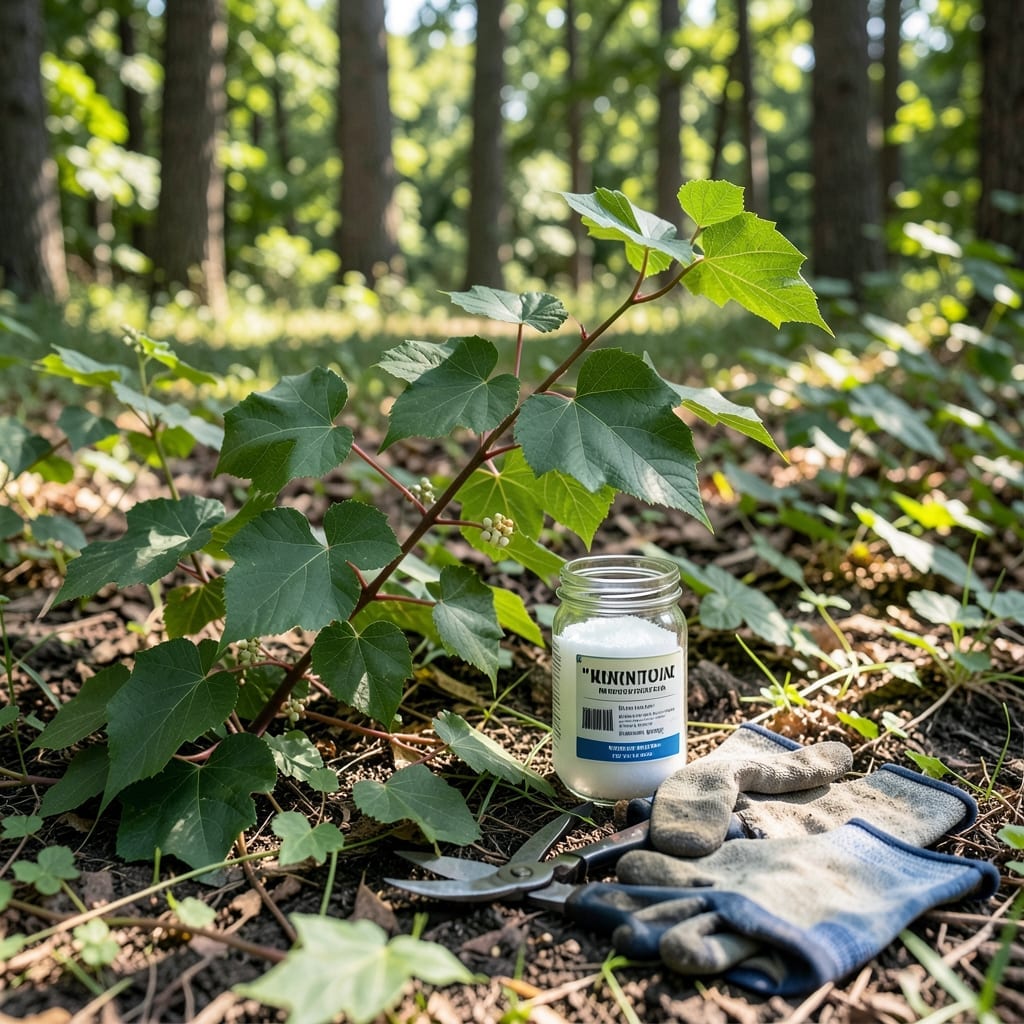
Poison ivy in your garden doesn’t have to mean chemical warfare. I’ve tested vine-safe organic methods that eliminate it without harming nearby plants or soil health.
The solution combines household items with precise timing—no toxic residues or collateral damage. Most gardeners overlook the importance of persistence, but consistent application breaks the cycle for good.
Within 2-3 weeks, you’ll see wilting leaves and dying roots. The method works on established vines and new growth alike, and it’s safe for pets and wildlife once dry.
Works in flower beds, along fences, or in wooded areas. Here’s the step-by-step approach that actually lasts.
Poison ivy thrives due to a combination of biological and environmental factors. Understanding these causes helps you target the root of the problem with your poison ivy killer recipe.
Poison ivy (Toxicodendron radicans) spreads aggressively through its extensive network of rhizomes—underground stems that produce new shoots. Even if you remove the visible plants, dormant rhizomes can sprout new growth, making eradication tricky. These roots can extend up to 20 feet horizontally, ensuring the plant’s survival.
Birds and small mammals consume poison ivy berries, then deposit the seeds far from the original plant. Each berry contains 1-5 seeds, and a single vine can produce hundreds of berries per season. This natural dispersal method allows poison ivy to colonize new areas quickly.
This plant is a master of adaptation. It can grow as a ground cover, climbing vine, or upright shrub, depending on its environment. Its ability to thrive in sun or shade and tolerate poor soil conditions makes it a persistent invader in gardens and wooded areas.
Poison ivy produces urushiol, an oil that causes allergic reactions in most humans. This chemical deters herbivores, allowing the plant to grow undisturbed. While urushiol doesn’t help the plant spread, it does make it harder for humans to remove it safely without proper precautions.
Poison ivy can be stubborn, but the right approach will help you reclaim your garden safely and effectively. Here’s how to tackle it based on the root cause.
For isolated plants, manual removal works best. Wear long sleeves, gloves, and pants to avoid skin contact. Use a shovel or garden fork to dig deep and remove the entire root system. Bag the plants immediately—don’t compost them! Wash tools and clothing afterward with soap and water to prevent urushiol (the irritating oil) from spreading.
If poison ivy has taken over, smothering is a chemical-free fix. Lay thick cardboard or black plastic over the area, securing it with rocks or stakes. Leave it for 6–12 months to starve the plants. For faster results, use an organic herbicide like vinegar, salt, and dish soap (1 gallon vinegar + 1 cup salt + 1 tbsp soap). Spray on dry, sunny days for maximum absorption. Reapply every 1–2 weeks until the plants die.
An ounce of prevention keeps poison ivy from returning. Mulch garden beds with wood chips to block sunlight. Plant dense ground covers like creeping thyme or clover to outcompete ivy. Regularly inspect your yard, especially fences, trees, and sheds where ivy loves to climb. Act fast—young plants are easier to remove than mature vines.
Pro tip 💡: Never burn poison ivy—smoke can carry urushiol and cause severe lung irritation or rashes.
Reapply every 7-10 days until the plant wilts and dies. Consistency is key, as poison ivy is resilient and may regrow from remaining roots.
Vinegar alone may work on young shoots but is less effective on mature plants. Combining it with salt and dish soap boosts its potency significantly.
Use caution—salt and vinegar can harm nearby vegetation. Apply directly to poison ivy leaves with a spray bottle or paintbrush to avoid overspray.
For quick results, apply on a hot, sunny day when plants are actively growing. You should see wilting within 24-48 hours.