
Beautiful Plants For Your Interior
Beautiful Plants For Your Interior
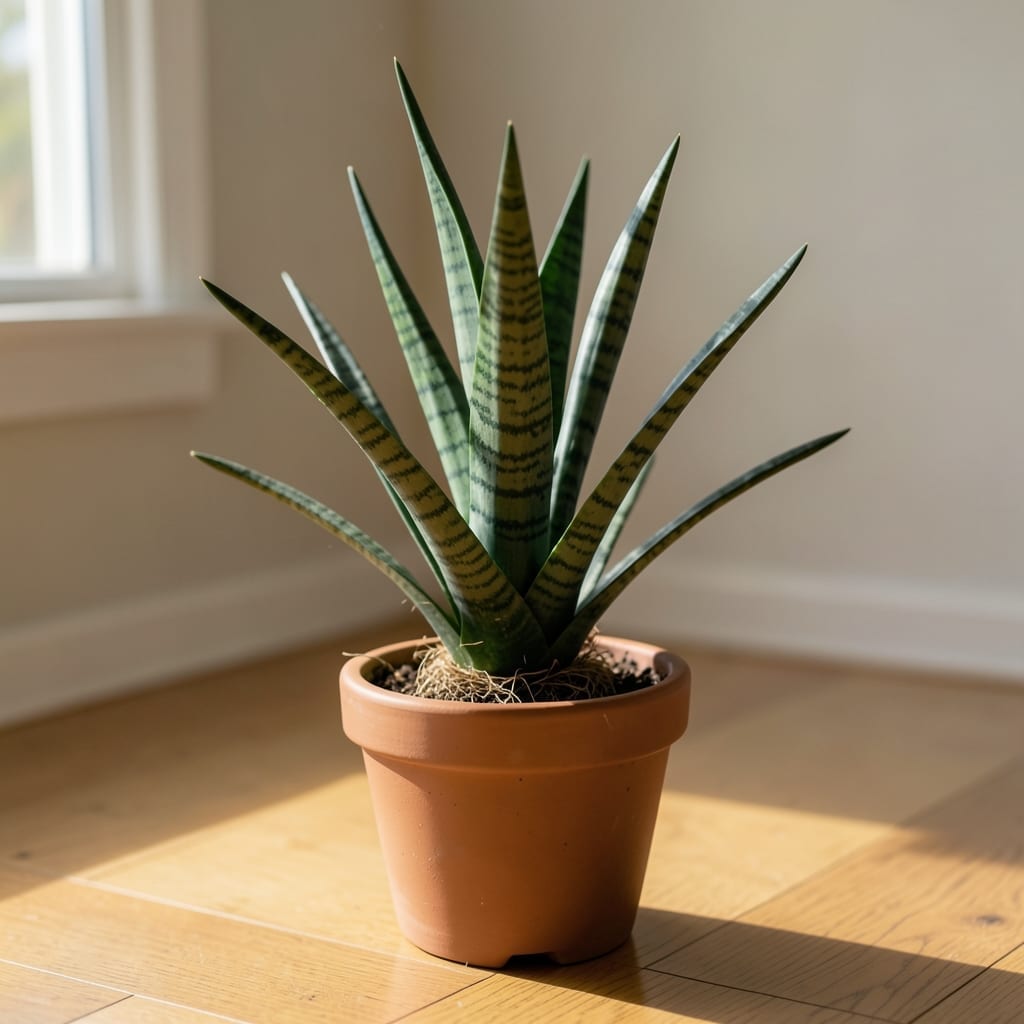
Sharp, angular leaves bring drama to any indoor space. I fell for these plants the moment I saw how their pointed foliage catches the light—like living sculpture that never stops growing.
Most thrive in bright, indirect light with minimal fuss. They ask for little: consistent watering when the top inch of soil dries, and the occasional wipe to keep those striking leaves dust-free. Perfect for forgetful plant parents.
What you get is year-round structure and movement. The long, tapering leaves create vertical interest that fills empty corners beautifully. And yes, they actually prefer the same temps we do.
From snake plants to dracaena, these varieties adapt to apartments, offices, or sunrooms. Their care routine fits into any schedule, and the visual payoff is immediate.
Pointed or pointy leaves in plants are typically the result of evolutionary adaptations and environmental pressures. These sharp-tipped foliage shapes serve specific purposes, from water conservation to defense mechanisms. Below are the primary causes, explained scientifically.
Many plants with pointed leaves, such as succulents and cacti, originate from dry environments. The sharp tips reduce the surface area exposed to the air, minimizing water loss through transpiration. This adaptation helps the plant retain moisture in harsh, arid conditions. For example, the Sansevieria (snake plant) has stiff, pointed leaves that store water efficiently.
Pointed leaves can deter herbivores by making it difficult for animals to consume them. The sharp edges may injure the mouths or digestive systems of potential predators, discouraging feeding. Plants like the Yucca or Agave use this strategy to protect themselves in the wild.
In some cases, pointed leaves help plants optimize sunlight absorption. The shape allows light to reach lower layers of foliage, improving photosynthesis. Additionally, the reduced surface area of pointed leaves can prevent overheating in direct sunlight, as seen in desert-adapted species.
Evolutionary pressures have shaped leaf morphology over generations. Plants with pointed leaves may have had a survival advantage in their native habitats, leading to the dominance of this trait. For instance, the Dracaena genus features many species with long, pointed leaves, a result of natural selection favoring these adaptations.
Keep your pointy leaf plants thriving with these targeted solutions to frequent problems. Address each issue promptly to restore health and vibrancy.
If leaves turn yellow, your plant may be getting too much direct sunlight or not enough water. Move it to a spot with bright, indirect light and check the soil moisture. Water only when the top inch of soil feels dry. Prevention tip: Use a moisture meter to avoid over- or under-watering. 💡
Drooping often signals underwatering or root stress. Give your plant a thorough drink until water drains from the bottom, then let excess water drain away. If the soil is soggy, repot the plant in fresh, well-draining soil. Prevention tip: Ensure your pot has drainage holes to avoid waterlogging. ✨
Spider mites or aphids can harm your plant’s foliage. Wipe leaves with a damp cloth and apply insecticidal soap or neem oil to affected areas. Isolate the plant to prevent spreading. Prevention tip: Regularly inspect leaves for early signs of pests and mist the plant occasionally to deter them. 🎯
Brown, crispy tips often indicate low humidity or tap water chemicals. Use filtered or distilled water and place a humidity tray nearby or group plants together. Trim the damaged tips with clean scissors to encourage new growth. Prevention tip: Mist your plant lightly a few times a week to maintain humidity. 🌡️
Water when the top 1-2 inches of soil feel dry. Most do well with watering every 7-10 days, but check soil moisture first. Overwatering causes root rot, so less is often better.
Bright, indirect light works best for most. Direct sun can scorch leaves, while low light makes them leggy. East or north-facing windows are perfect spots.
This usually means low humidity or tap water chemicals. Use filtered water and mist leaves regularly. Trim brown tips with clean scissors to encourage new growth.
Many popular types like snake plants are toxic if ingested. Keep them out of reach or choose pet-safe alternatives like parlor palms. Always check specific species.