
Beautiful Plants For Your Interior
Beautiful Plants For Your Interior
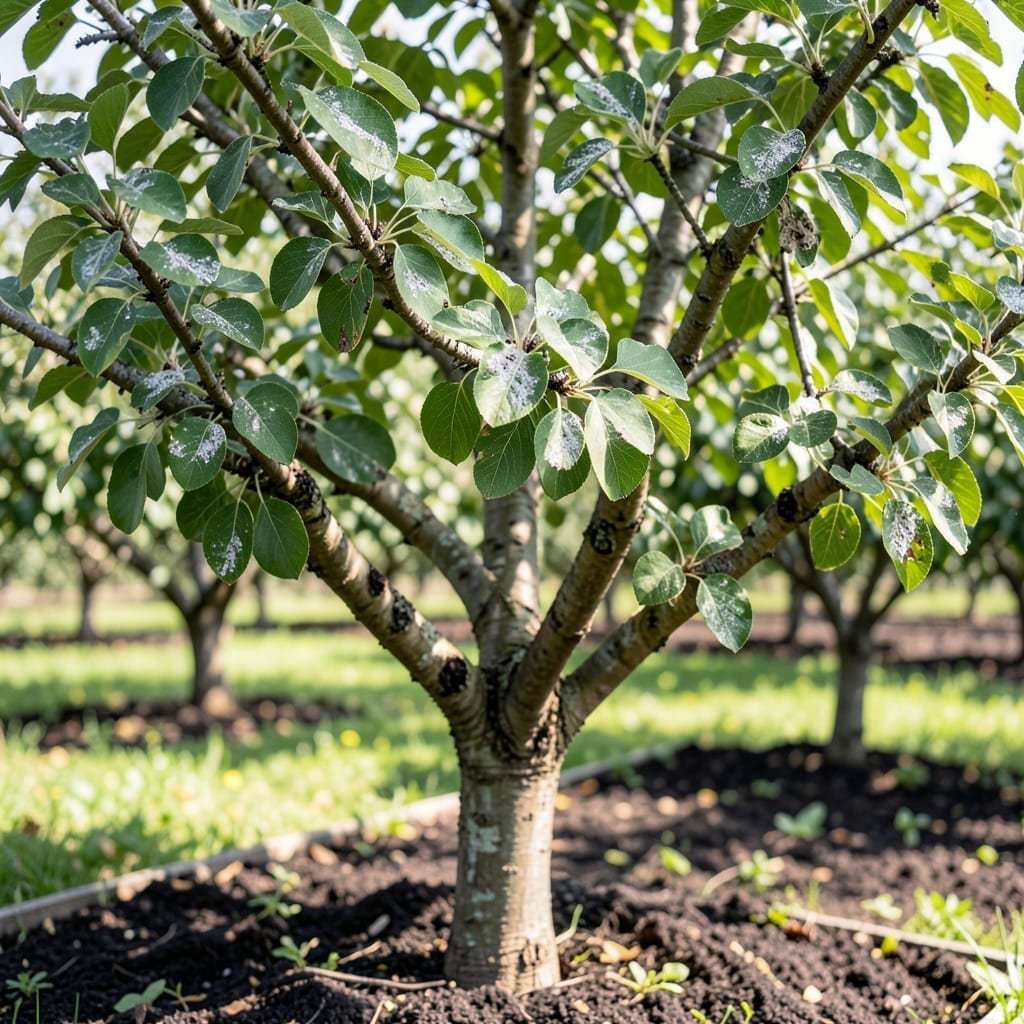
Spotted something off on your plum tree? I’ve been there—watching leaves develop strange spots or fruit rot before harvest. Fungal issues often start small but spread fast if ignored.
Early detection is your best defense. Discolored leaves, powdery coatings, or cankers on branches are red flags. The good news? Most problems are treatable if you catch them early and act decisive.
With the right approach, you can stop the spread and even save this season’s fruit. Organic options work well for mild cases, while persistent infections may need targeted treatments.
Prevention beats cure every time. Simple habits like proper pruning and airflow make a huge difference in keeping your tree healthy long-term.
Plum tree fungus doesn’t appear out of nowhere—it’s often the result of specific environmental or care-related factors. Understanding these triggers can help you prevent outbreaks and keep your tree healthy. Below are the most common causes, explained simply but grounded in science.
Fungal spores thrive in damp, humid conditions. Overwatering, poor soil drainage, or prolonged rain can create the perfect breeding ground for pathogens like Monilinia (brown rot) or Venturia (scab). When water pools around the roots or lingers on leaves, it softens plant tissues, making them more susceptible to infection. Actionable fix: Improve drainage with organic mulch and avoid overhead watering.
Dense foliage restricts airflow, trapping moisture and creating a microclimate ideal for fungal growth. Trees planted too closely together or those with excessive, unpruned branches are especially vulnerable. Actionable fix: Prune regularly to open the canopy, allowing sunlight and air to circulate freely.
Fungal spores can hitchhike on unsterilized pruning tools or lurk in infected soil. If you’ve recently planted a new plum tree where an old one was removed, residual pathogens (e.g., Armillaria root rot) may still be present. Actionable fix: Disinfect tools with rubbing alcohol and solarize soil before replanting.
Many fungi, like Powdery Mildew, activate in cool, wet springs or warm, humid summers. Sudden temperature swings can stress the tree, weakening its natural defenses. Actionable fix: Monitor weather patterns and apply preventive fungicides during high-risk seasons.
Combatting fungal issues on your plum tree starts with identifying the problem and applying targeted fixes. Below are practical solutions for common fungal diseases, along with prevention tips to keep your tree healthy long-term.
If you spot white, powdery patches on leaves, prune crowded branches to boost airflow. Remove infected leaves and dispose of them away from the tree. Apply a baking soda solution (1 tbsp baking soda + 1 tsp dish soap + 1 gallon water) weekly until symptoms fade. For severe cases, use neem oil or a fungicide labeled for powdery mildew.
Prevention: Space trees properly, water at the base (not overhead), and avoid excess nitrogen fertilizer.
Brown, shriveled fruit or blossoms signal brown rot. Immediately remove all infected fruit, blossoms, and mummies (dried fruit left on the tree). Burn or trash them—do not compost. Apply a copper-based fungicide during dormancy and again at bloom. Thin fruit clusters to reduce humidity.
Prevention: Prune for an open canopy, clean up fallen fruit/debris, and avoid late-season watering.
Dark spots with yellow halos on leaves? Prune affected branches and rake up fallen leaves. Apply a fungicide with chlorothalonil or copper in early spring and repeat every 10–14 days during wet seasons. Disinfect pruning tools between cuts (1 part bleach to 9 parts water).
Prevention: Mulch under the tree to prevent soil splash, and water in the morning so leaves dry quickly.
💡 Pro Tip: Always sterilize tools and avoid working with wet foliage to prevent spreading spores. Healthy trees resist fungus better—feed with balanced fertilizer and ensure proper drainage!
Yes, if the trunk and main branches are still healthy. Remove all infected parts and apply copper fungicide immediately. Severe cases may require multiple treatments over 2-3 weeks.
Early spring before buds open is ideal for preventive care. For active infections, treat at first signs and repeat every 7-14 days during wet weather. Evening applications work best.
Neem oil, baking soda sprays, and sulfur work well for mild cases. For persistent problems, alternate organic options with stronger fungicides for best results.
Clean up all fallen leaves and fruit after harvest. Prune for good airflow and apply dormant oil spray in late winter. Always sterilize pruning tools between uses.