
Beautiful Plants For Your Interior
Beautiful Plants For Your Interior
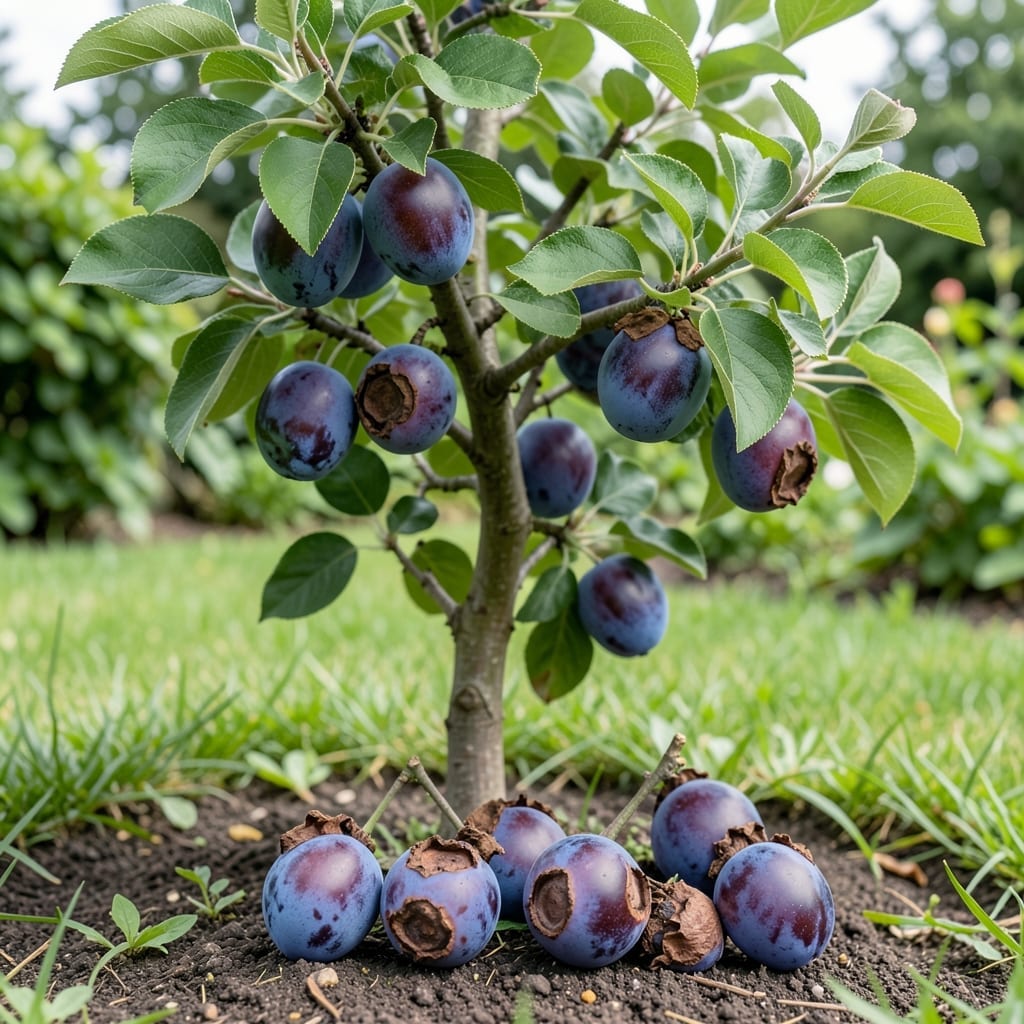
Nothing ruins a plum harvest faster than brown rot spreading through your trees. I’ve lost entire crops to this fungal menace before learning how to spot it early and stop it in its tracks.
The first sign is usually a brown, fuzzy coating on blossoms or fruit. Left unchecked, it turns plums into mummified husks still clinging to branches. It thrives in wet springs, making early season vigilance crucial.
Treatment starts with removing all infected fruit and blossoms immediately. A copper fungicide spray at petal fall and again in 10-14 days creates a protective barrier. Organic gardeners can use baking soda solutions as a preventive measure.
Prevention is simpler than cure: thin fruit for better air circulation, clean up fallen debris, and prune for an open canopy. These steps break the fungus’s life cycle before it starts.
Plum brown rot is a fungal disease that thrives under specific conditions. Understanding these triggers helps in effective prevention and management.
The primary culprits are Monilinia laxa and Monilinia fructicola, fungi that infect plum trees. These pathogens overwinter in mummified fruits, cankers, and twigs, becoming active in spring when temperatures rise and moisture levels increase.
Prolonged wetness—from rain, irrigation, or high humidity—creates an ideal environment for spore germination. Wet blossoms or fruit surfaces allow the fungus to penetrate, leading to infection. Poor drainage or dense canopies that trap moisture exacerbate the issue.
The fungus thrives in temperatures between 60–75°F (15–24°C). Spring and early summer, when plums are blooming or fruiting, often provide these conditions, accelerating spore production and spread.
Overcrowded branches or neglected pruning reduce airflow, trapping humidity around blossoms and fruit. This stagnant environment encourages fungal growth and limits the drying of plant surfaces.
Fallen infected fruits, leaves, or pruned material left in the orchard serve as breeding grounds for the fungus. Without proper cleanup, spores persist and reinfect the tree in subsequent seasons.
Plum brown rot can be managed and avoided with the right approach. Here’s how to tackle it effectively, broken down by cause and solution.
Fix: Remove and destroy all infected fruit immediately to prevent the fungus from spreading. Pick plums as soon as they ripen to avoid overripening on the tree. Prune any damaged branches to improve air circulation.
Prevention Tip: 💡 Harvest plums early in the morning when they’re dry to reduce fungal spores’ chances of sticking.
Fix: Apply a fungicide labeled for brown rot, such as captan or sulfur, at petal fall and again 2 weeks later. Reapply after heavy rains.
Prevention Tip: 🌡️ Thin out branches to allow sunlight and air to reach the center of the tree, reducing moisture buildup.
Fix: Rake and remove all fallen leaves, fruit, and debris from under the tree. Burn or dispose of them in sealed bags—do not compost.
Prevention Tip: ✨ Clean up the orchard floor regularly, especially in fall and winter, to eliminate fungal overwintering spots.
Fix: Sterilize pruning tools with rubbing alcohol or a 10% bleach solution between cuts to avoid spreading spores.
Prevention Tip: 🎯 Use separate tools for pruning healthy and infected plants to minimize cross-contamination.
Taking these steps will help you control existing infections and keep your plum trees healthy for future harvests.
It can spread rapidly, especially in wet conditions. Spores travel via wind and rain, infecting blossoms and fruit within 24-48 hours of exposure.
No, infected fruit must be removed immediately. Even one mummified plum can release thousands of spores. Never compost them—dispose in sealed bags.
Apply at petal fall and again in 10-14 days. Reapply after heavy rain. Copper fungicides work best for organic gardeners.
Prune for an open canopy to improve airflow. Remove dead or crossing branches in late winter before buds swell.