
Beautiful Plants For Your Interior
Beautiful Plants For Your Interior
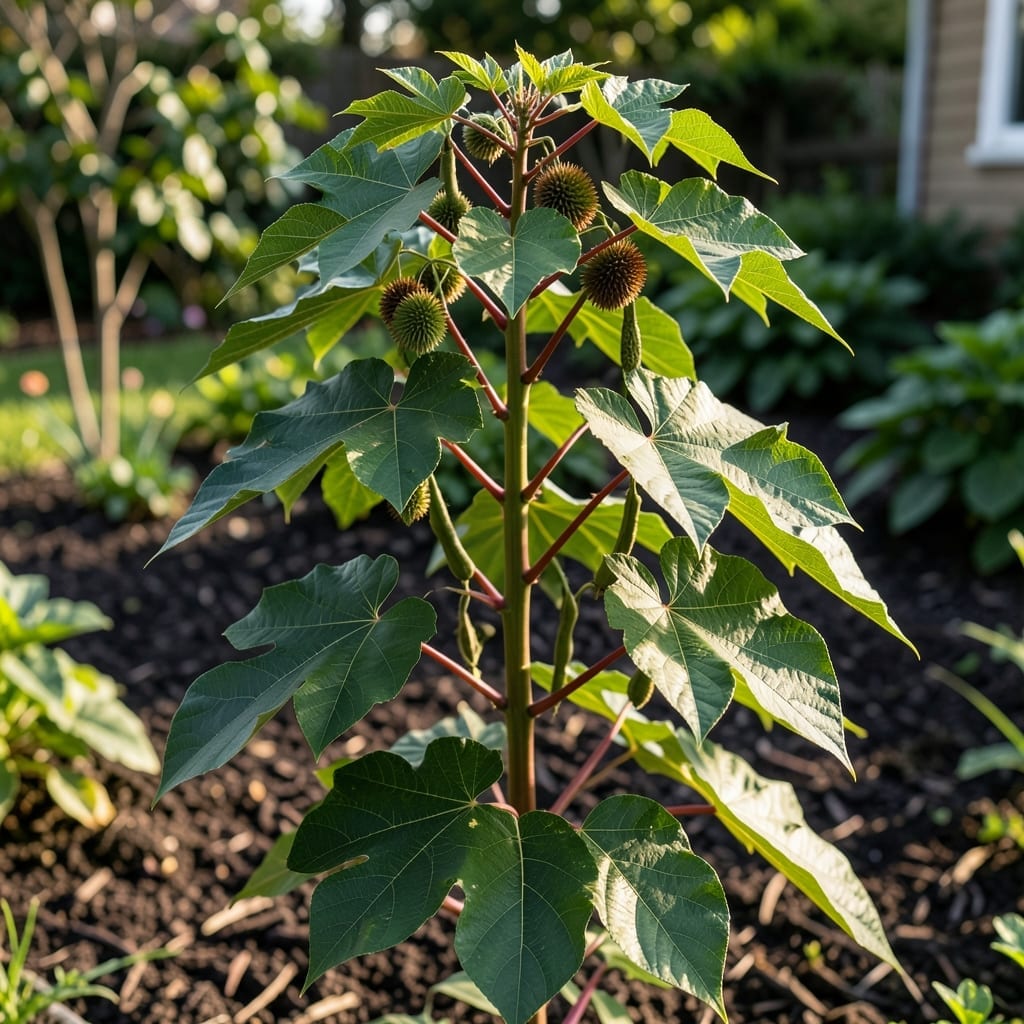
Spiky seed pods add drama to any garden, and these plants bring it in spades. I’ve watched how they transform dry, forgotten corners into conversation starters with almost zero effort from me.
Most thrive in full sun and well-draining soil, laughing off droughts that wilt less resilient plants. They’re low-maintenance, deer-resistant, and often self-seed—meaning next year’s display is practically guaranteed.
From architectural forms to unexpected textures, these plants deliver year-round interest. Even when not in bloom, those seed pods create visual intrigue that keeps the garden alive through every season.
Ideal for xeric landscapes, rock gardens, or anywhere water is scarce. Here’s how to grow them right.
Nature equips plants with spiky seed pods for survival, and these adaptations serve clear biological purposes. Below are the primary reasons why some plants develop these prickly structures.
Many plants, like Horseradish or Bursage, evolve spiky seed pods to protect their seeds from hungry animals. The sharp spines deter herbivores, birds, and insects from eating or damaging the pods, ensuring the seeds remain intact for germination. This defense mechanism is especially common in arid environments where food sources are scarce, and every seed counts.
Spikes often help seed pods hitch a ride on passing animals. Plants like Burclover or Goat’s Head use hooked or barbed spines to latch onto fur, feathers, or even human clothing. As the animal moves, the pod eventually falls off—sometimes miles from the parent plant—giving the seeds a broader range to grow without competition.
In dry climates, spiky pods can reduce water loss. The thick, tough exterior of pods from plants like Devil’s Claw minimizes evaporation, while the spines may create a microclimate that traps moisture. This adaptation helps seeds stay viable longer in harsh, drought-prone conditions.
Some spiky pods, such as those of the Sweet Gum tree, provide physical protection for developing seeds. The rigid spines prevent the pod from being crushed by environmental pressures like wind, rain, or falling debris, safeguarding the next generation of plants.
Dealing with spiky seed pods can be tricky, but with the right approach, you can manage them safely and effectively. Below are practical solutions for common issues, along with prevention tips to keep your garden thriving.
If you’ve accidentally touched spiky seed pods and experienced irritation, wash the affected area immediately with soap and cool water. Apply a soothing lotion like aloe vera or calamine to reduce redness and itching. For severe reactions, consult a doctor.
Prevention: Always wear thick gardening gloves when handling plants with spiky seed pods. Long sleeves and closed-toe shoes add extra protection.
Spiky seed pods can disperse seeds far and wide, leading to invasive growth. To control this, collect seed pods before they split open and dispose of them in a sealed bag. If the seeds have already spread, pull young seedlings early before they establish roots.
Prevention: Regularly inspect your garden for mature seed pods and remove them promptly. Consider planting these species in contained areas or pots to limit spread.
Curious pets or local wildlife may get injured by spiky seed pods. Create a barrier around plants using fencing or decorative rocks to keep animals at a safe distance. If your pet has encountered the pods, check their paws and fur for spines and remove them carefully.
Prevention: Place spiky plants in less accessible areas of your garden, away from high-traffic zones where pets or kids play.
💡 Pro Tip: If you love the look of these plants but want to minimize hassle, opt for varieties with less aggressive seed pods, like Horseradish or Honesty (Lunaria), which have milder spines.
Most are safe but the spines can cause irritation or injury. Keep them in areas away from play spaces and supervise young children. For pets, create barriers or choose less prickly varieties like Honesty.
Most thrive in full sun, but some tolerate partial shade. Check specific plant needs—Sweet Gum does well in partial shade while Devil’s Claw demands full sunlight.
Collect seed pods before they open and dispose of them in sealed bags. For existing spread, pull seedlings early. Plant in containers to limit their range.
Dried pods from Lotus or Poppy add unique texture to wreaths and arrangements. Wear gloves when handling to avoid skin irritation.