
Beautiful Plants For Your Interior
Beautiful Plants For Your Interior
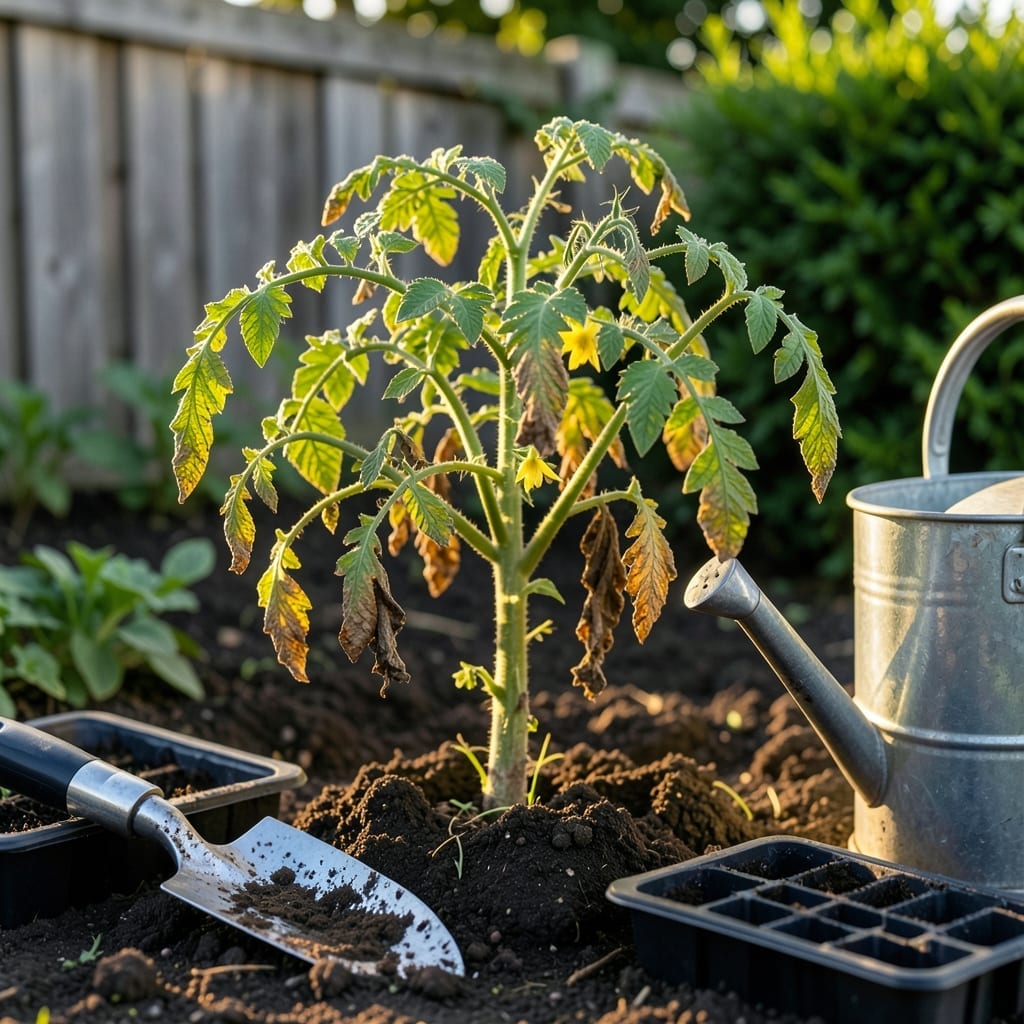
That moment when your plants droop after the big move hits hard. I’ve lost count of how many times I’ve watched healthy seedlings turn into sad, wilted messes minutes after transplanting.
Transplant shock is real, but it’s not a death sentence. Most plants bounce back within 24-48 hours with the right care. The key is reducing stress before, during, and after the move.
You’ll see perked-up leaves and new growth once roots re-establish. I’ve saved even the most dramatic cases with shade, hydration, and patience—no fancy tools required.
Works for vegetables, flowers, and shrubs alike. Here’s how to turn that frown upside down.
Transplant shock is a common stress response in plants, and wilting is one of its most visible symptoms. Several underlying causes can trigger this reaction, each tied to how the plant adapts—or fails to adapt—to its new environment. Here’s what’s really going on beneath the soil:
When you dig up a plant, tiny root hairs that absorb water and nutrients are often torn or broken. These delicate structures are critical for hydration, and their loss immediately reduces the plant’s ability to take up water. Without intact roots, the plant can’t replenish moisture lost through its leaves, leading to drooping and wilting within hours. Action: Handle roots gently and minimize root ball disruption during transplanting.
Even with careful handling, transplanting disrupts the plant’s water balance. The new soil may drain faster or retain more moisture than the old environment, causing either drought stress (too little water uptake) or suffocation (roots drowning in saturated soil). Additionally, damaged roots can’t absorb water efficiently, while the leaves continue to lose moisture through transpiration. Action: Water deeply before and after transplanting, and monitor soil moisture closely for the first week.
Sudden changes in light, temperature, or humidity can overwhelm a plant’s systems. For example, moving a shade-loving plant into full sun can cause rapid water loss, while a temperature drop can slow root activity. Even wind exposure increases transpiration, accelerating dehydration. Action: Acclimate plants gradually to new conditions by hardening them off (for outdoor transplants) or choosing a location with similar light and humidity.
Roots don’t just absorb water—they also take in essential nutrients. Transplanting can temporarily halt nutrient uptake, especially if the new soil has a different pH or lacks key minerals. Without access to nutrients like potassium (which regulates water movement in cells), the plant’s ability to maintain turgor pressure (what keeps leaves rigid) fails. Action: Use a balanced, water-soluble fertilizer after transplanting to support recovery, but avoid over-fertilizing, which can burn damaged roots.
Transplant shock is temporary, and with the right fixes, your plants can bounce back. Here’s how to tackle the most common causes of wilting after a transplant.
If roots were disturbed during the move, avoid fertilizing—it can burn tender new growth. Instead, water deeply with a diluted seaweed solution to reduce stress. Keep the soil consistently moist (not soggy) for the first week. Prevention tip: Loosen the root ball before planting to encourage outward growth, and always handle roots with care.
Wilting often signals thirst. Saturate the root zone immediately, then mulch with straw or shredded leaves to retain moisture. For potted plants, submerge the container in water until bubbles stop rising. Prevention tip: Water the plant 24 hours before transplanting to ensure it’s hydrated for the move.
Transplanted plants need time to adjust. If they’re in full sun, create temporary shade with a cloth or move them to a brighter, indirect spot for a few days. Prevention tip: Transplant on a cloudy day or in the evening to reduce immediate stress.
Sudden heat or cold can shock plants. Hardened off seedlings by exposing them to outdoor conditions for a few hours each day before transplanting. If already wilted, cover with a cloche or row fabric to stabilize temperature. Prevention tip: Check the forecast—avoid transplanting during extreme weather.
Soggy soil suffocates roots. Stop watering and let the top inch of soil dry out. If the pot lacks drainage, repot into fresh, well-draining mix immediately. Prevention tip: Use containers with drainage holes and a quality potting mix with perlite or vermiculite.
💡 Pro tip: A mist of water with a drop of mild soap can help deter pests that may exploit stressed plants. Keep an eye out for yellowing leaves or spots, which may signal additional issues.
Most plants perk up within 24-48 hours if given proper care. Severe cases may need 3-5 days to fully bounce back, especially with significant root damage.
No—wait at least 1-2 weeks. Fertilizer can burn tender new roots. Instead, use a diluted seaweed solution to reduce stress and support recovery.
Not always. Check for underwatering, overwatering, or pests first. If soil is moist and roots look healthy, it’s likely shock from the move.
Avoid transplanting in extreme heat. If necessary, do it in the evening and provide temporary shade. High temps increase water loss, worsening shock.