
Beautiful Plants For Your Interior
Beautiful Plants For Your Interior
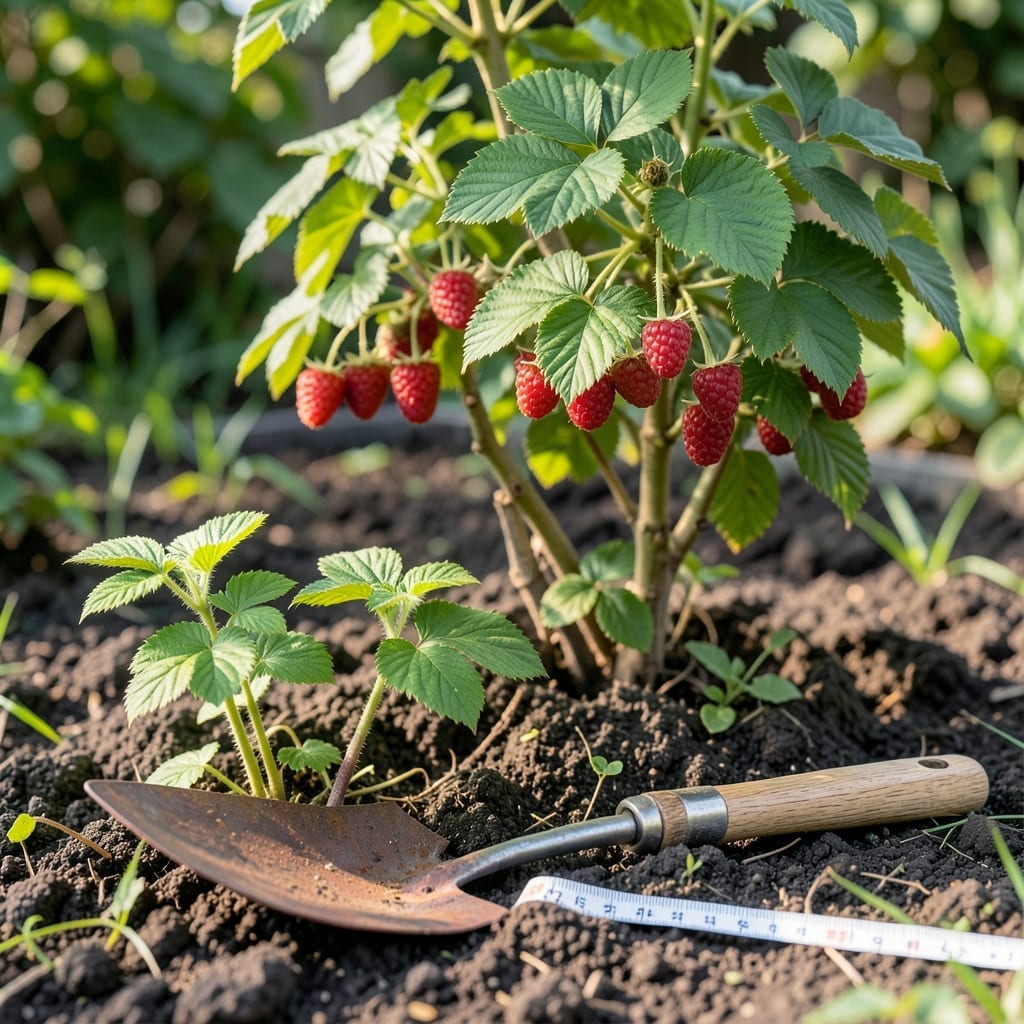
Proper spacing is the key to thriving 🍇 Raspberry plants that produce bountiful harvests year after year. Get it wrong, and you risk stunted growth, disease, and poor yields.
Whether you’re planting a single row or a full patch, understanding the right distance between plants makes all the difference. In zones 3-10, this small detail can transform your garden.
Let me walk you through exactly how to space your Raspberries for maximum health and productivity. You’ll be surprised how simple it is to get it right.


Getting the planting distance right is crucial for healthy raspberry plants. Different varieties have unique needs, and even small spacing errors can lead to poor air circulation or competition for nutrients.
Whether you’re growing summer-bearing, fall-bearing, or everbearing raspberries, proper spacing ensures strong growth and maximum yield. Let’s break it down by type and system. 🌱
| Variety | System | In-Row Spacing | Row Spacing |
|---|---|---|---|
| Summer-Bearing | Hedgerow | 18-24 inches | 6-8 feet |
| Fall-Bearing | Hedgerow | 24-30 inches | 6-8 feet |
| Everbearing | Hill | 3-4 plants per hill | 8-10 feet |
The hedgerow system is ideal for most raspberry varieties. For summer-bearing types, space plants 18-24 inches apart in rows 6-8 feet apart to allow for easy access and airflow.
Fall-bearing raspberries need a bit more room. I recommend 24-30 inches between plants in the same row spacing. This extra space accommodates their vigorous growth and makes harvesting easier.
For everbearing raspberries, the hill system works best. Plant 3-4 canes per hill, with hills spaced 8-10 feet apart. This method improves drainage and reduces disease risk.
Remember, these are general guidelines. Adjust based on your soil fertility and climate conditions. Rich, well-draining soil can support slightly closer spacing.
If you’re planting in raised beds, reduce row spacing to 4-5 feet since the soil warms faster and roots have less room to spread. Always prioritize air circulation to prevent fungal diseases. ☀️
Proper spacing also makes pruning and maintenance much easier. You’ll thank yourself later when you can move freely between rows without damaging plants or missing ripe berries.
Finally, mark your planting spots with stakes before digging. This helps visualize the layout and ensures consistent spacing. A little planning now saves headaches later! 🌿
Proper raspberry spacing isn’t just about fitting plants in your garden. It’s the foundation for healthy growth and maximum yield. When plants have enough room, they thrive in ways that directly impact your harvest.
Good spacing allows for better air circulation, which is critical for preventing fungal diseases like powdery mildew and botrytis. Cramped plants create a humid environment where these issues flourish.
Each raspberry plant needs full sunlight to produce the sweetest berries. With proper spacing, every cane gets the 6-8 hours of direct sun it needs to develop flavorful fruit.
Good spacing also makes harvesting easier. You can move freely between rows without damaging plants or missing ripe berries hidden among dense foliage. This is especially important for thorny varieties.
Properly spaced plants develop stronger canes because they’re not competing for water and nutrients. This leads to more vigorous growth and higher yields over the plant’s lifetime.
Finally, well-spaced raspberries live longer. Without the stress of crowding, plants can focus their energy on fruit production rather than survival. This means more berries for you year after year. 🌿