
Beautiful Plants For Your Interior
Beautiful Plants For Your Interior
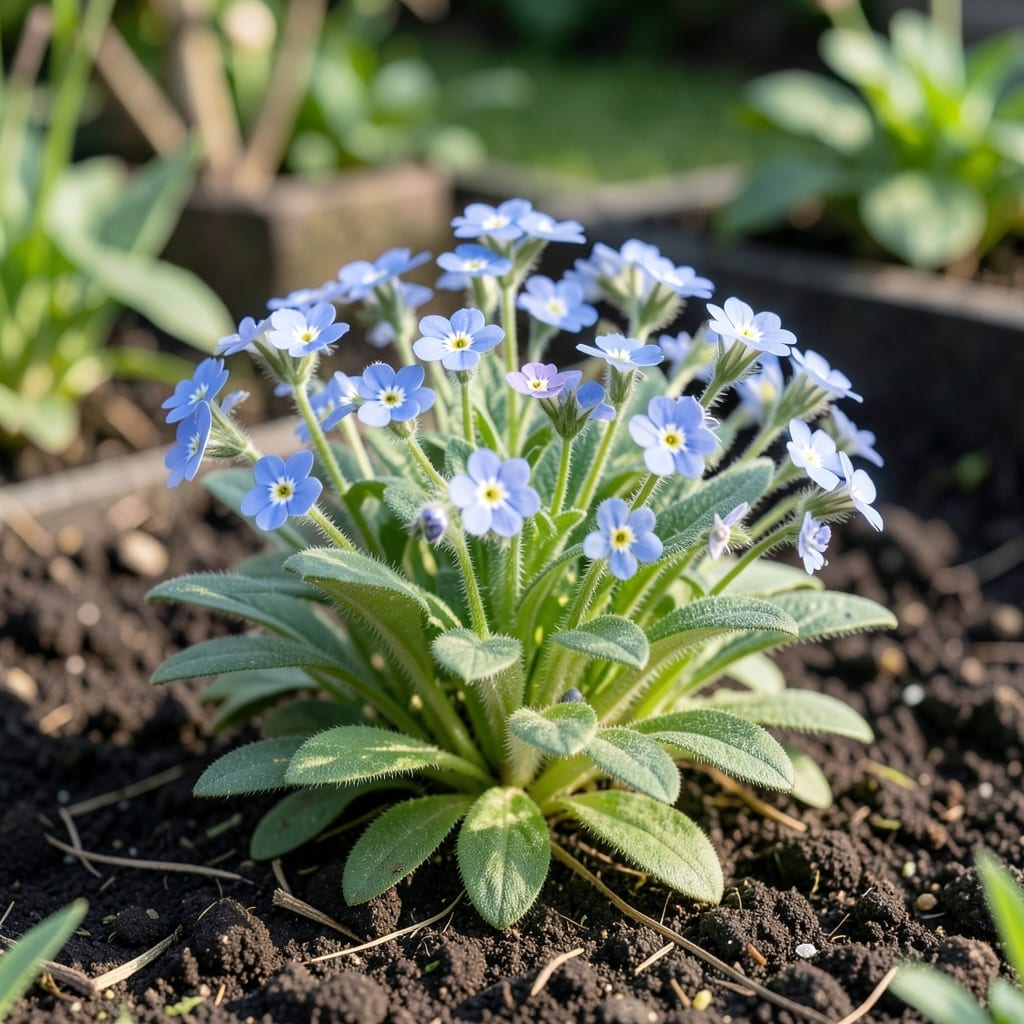
Tiny blue blooms can transform any garden space with minimal effort. I’ve filled my borders with these delicate charmers, and they reward me with color from spring through fall.
Forget-me-nots, lobelia, and nemesia thrive in partial shade with consistent moisture. They’re perfect for edges, containers, or tucking between larger plants for pops of sky-blue.
You’ll notice hummingbirds and bees swarming these flowers within days of planting. The more you deadhead, the more they’ll push out new blooms.
Works in zones 4-9, and most varieties self-seed for next year’s display. Here’s how to get them established.
Even the most vibrant plant with little blue flowers can lose its color or fail to bloom due to a few key environmental and care factors. Understanding these causes helps you restore its beauty. Here’s why it happens:
Blue-flowering plants, like Brunnera or Lobelia, often require acidic soil (pH 5.5–6.5) to absorb aluminum— the element that intensifies blue pigments. Without it, flowers may fade to pale lavender or white. Test your soil and amend with sulfur or peat moss if the pH is too high. A lack of phosphorus (critical for blooming) can also delay or reduce flower production. Use a balanced, low-nitrogen fertilizer (e.g., 5-10-10) to encourage vibrant blooms.
Too much direct sun can bleach pigments in delicate blue petals, while insufficient light weakens the plant, leading to sparse or no flowers. Most blue-flowering species thrive in partial shade (4–6 hours of morning sun). If your plant is in full sun, provide afternoon shade or relocate it to a dappled-light area. Conversely, move leggy, non-blooming plants to a brighter spot.
Inconsistent moisture levels stress the plant, triggering bud drop or stunted growth. Blue-flowering varieties (e.g., Nemophila or Myosotis) prefer consistently moist but well-draining soil. Overwatering causes root rot, while drought halts nutrient uptake. Water deeply when the top inch of soil feels dry, and mulch to retain moisture. Avoid wetting the foliage to prevent fungal issues.
Aphids, spider mites, and powdery mildew can sap a plant’s energy, diverting resources from flower production. Inspect leaves for sticky residue (aphids) or white powdery spots (mildew). Treat infestations with neem oil or insecticidal soap, and improve airflow to prevent fungal growth. Healthy plants resist pests better, so prioritize proper spacing and sanitation.
If your tiny blue-blooming beauty looks sad, don’t panic. Start by checking the soil: dry, cracked earth means it’s thirsty, while soggy soil signals overwatering. Adjust your watering schedule and ensure the pot has drainage holes to prevent root rot. Yellow leaves often scream “too much water,” so let the top inch of soil dry out between drinks. 💡
This usually points to underwatering or heat stress. Give it a deep drink and move it to a shadier spot if it’s baking in direct sun. In extreme heat, a light misting in the morning can help it perk up. Prevention tip: Stick your finger in the soil—if the top 1-2 inches are dry, it’s time to water.
Overwatering is the top culprit here. Stop watering immediately, let the soil dry out, and trim any mushy roots. If the leaves are crispy, it might be low humidity. Place a tray of water near the plant or group it with others to create a microclimate. Prevention tip: Use a pot with drainage and water only when the soil feels dry.
Spotted tiny critters like aphids or spider mites? Wipe leaves with a mild soap solution (1 tsp dish soap + 1L water) or spray with neem oil. Repeat every few days until they’re gone. Prevention tip: Inspect new plants before bringing them home and keep your garden clean to deter pests. ✨
If your plant isn’t blooming, it might need more light or nutrients. Move it to a sunnier spot (but avoid harsh afternoon sun) and feed it with a balanced liquid fertilizer every 4-6 weeks during growing season. Prevention tip: Prune leggy stems to encourage bushier growth and more blooms.
Forget-me-nots and lobelia are perfect for new gardeners. They’re low-maintenance and thrive in partial shade with consistent moisture.
This often happens when the soil pH is too high. Test your soil and amend with sulfur or peat moss to lower the pH to 5.5–6.5.
Yes! Most varieties like nemesia or brunnera do well in pots. Use well-draining soil and ensure containers have drainage holes.
Water when the top 1 inch of soil feels dry. Deep watering 2-3 times per week is better than daily light sprinkles.