
Beautiful Plants For Your Interior
Beautiful Plants For Your Interior
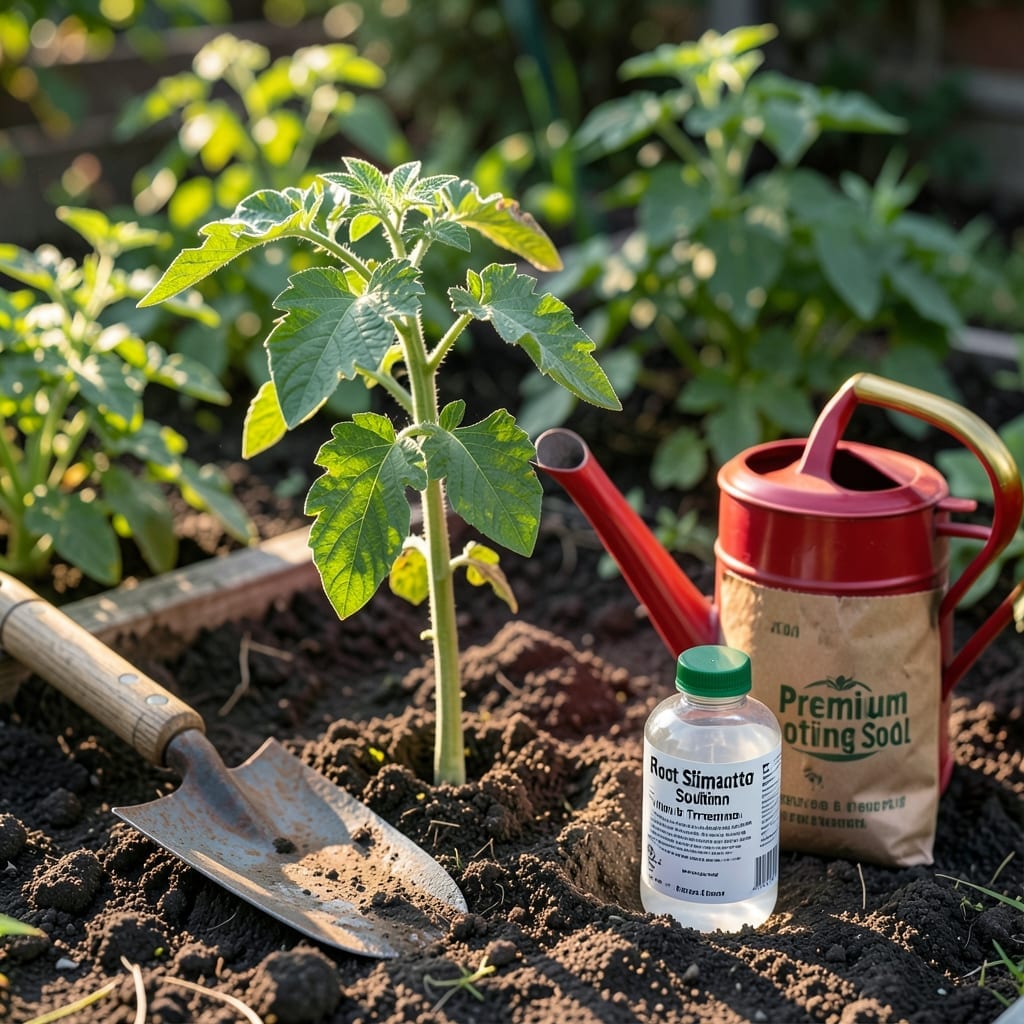
I’ve watched too many plants wilt dramatically after moving them—only to bounce back with the right care. Transplant shock hits when roots get disturbed, but recovery is simpler than you’d think.
Most gardeners overcomplicate this. The fix involves 3 key steps: hydration, shade, and patience. I’ve saved dozens of plants this way, even when they looked completely hopeless.
Within 48 hours, you’ll often see perked-up leaves and new growth. The secret is giving roots time to re-establish without adding extra stress from sun or wind.
Works for seedlings, mature plants, and even finicky varieties. Here’s exactly how to do it.
Transplant shock occurs when a plant struggles to adapt to its new environment. Understanding the root causes helps you prevent or mitigate stress. Below are the primary triggers, explained scientifically and actionably.
During transplanting, fine root hairs—responsible for water and nutrient absorption—are often damaged or severed. This disrupts the plant’s ability to hydrate and feed itself, leading to wilting, yellowing, or stunted growth. Even gentle handling can tear these delicate structures, so minimize root exposure and keep the root ball intact.
Plants lose moisture rapidly when uprooted, and their damaged roots can’t replenish it efficiently. Transpiration (water loss through leaves) continues unchecked, causing dehydration. To counter this, pre-water the plant before transplanting and maintain consistent soil moisture afterward—avoid waterlogging, which suffocates roots.
Sudden shifts in light, temperature, or humidity force plants to reallocate energy for survival instead of growth. For example, moving a shade-loving plant into full sun can scorch its leaves, while cold soil slows root activity. Acclimate plants gradually (hardening off) and match their new conditions to their natural preferences.
Fresh soil may lack the micronutrients or pH balance the plant was used to. Over-fertilizing post-transplant can also burn damaged roots. Test soil beforehand and use a mild, balanced fertilizer only after signs of recovery (e.g., new growth). Avoid high-nitrogen feeds, which promote leafy growth at the expense of root repair.
Transplant shock is stressful for plants—but it’s fixable! Here’s how to nurse your green friends back to health, fast. Each cause has a clear, actionable solution, plus tips to prevent future setbacks.
If your plant looks limp, it’s likely thirsty. Water deeply at the base (not the leaves) to encourage root recovery. Use room-temperature water to avoid shocking the roots further. Prevention tip: 💡 Water plants before transplanting to reduce stress.
Yellow leaves signal nutrient loss. Prune damaged foliage to redirect energy to healthy growth. Follow up with a balanced, water-soluble fertilizer (half-strength) to replenish nutrients. Prevention tip: 🎯 Add compost to the new soil for a nutrient boost.
Slow recovery? Roots need a helping hand. Apply a root stimulator (like seaweed extract) to encourage new growth. Avoid over-fertilizing—it can burn tender roots. Prevention tip: ✨ Transplant on a cloudy day or in the evening to reduce stress.
Brown tips often mean too much sun or wind. Move the plant to shade for a few days and mist leaves to increase humidity. Prevention tip: 🌡️ Harden off seedlings gradually before transplanting outdoors.
With these fixes, your plants will bounce back in no time. Stay patient and consistent—roots heal slower than leaves!
Most plants show improvement within 2-7 days with proper care. Expect full recovery in 2-4 weeks for severe cases. Patience is key—avoid disturbing the plant during this period.
No, wait until you see new growth. Fertilizer can burn damaged roots. Use a half-strength solution when ready.
Avoid extreme heat. Best times are early morning or evening. Cloudy days are ideal to reduce stress on the plant.
Crispy leaves often mean underwatering or sunburn. Increase shade and maintain consistent moisture at the roots.