
Beautiful Plants For Your Interior
Beautiful Plants For Your Interior
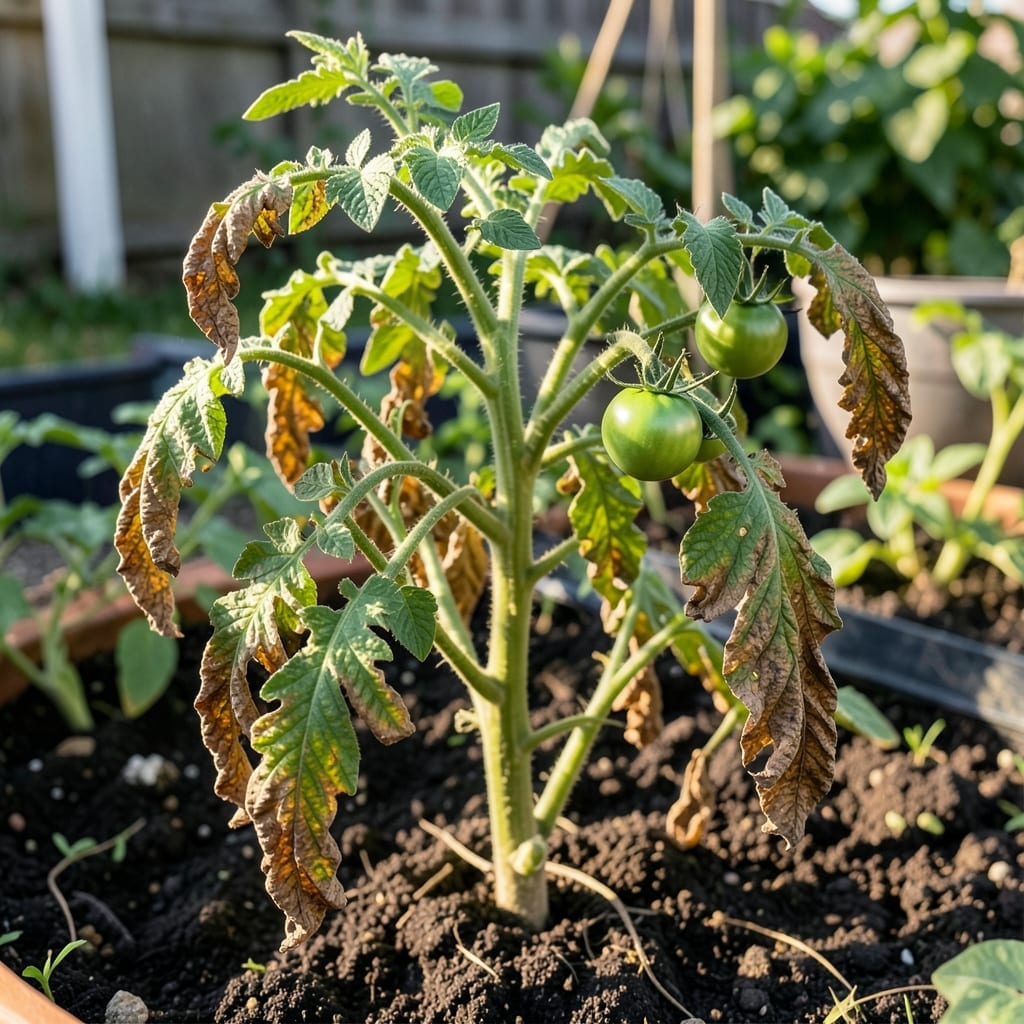
While sunlight is essential for plant growth, too much can turn your thriving garden into a wilting disaster overnight. I’ve seen General Plant go from vibrant to crispy in just 24 hours of intense exposure.
Recognizing the early warning signs can mean the difference between revival and replacement. Your General Plant might be begging for shade without you even realizing it.
From bleached leaves to stunted growth, the symptoms are often subtle at first. But once you know what to look for, you’ll spot them immediately.
Let me show you how to identify the danger signs and take action before it’s too late. Your garden will thank you.

I’ve seen even the hardiest garden plants struggle when sun exposure tips into excess. The first clue is often leaf scorching, where edges turn brown and crispy like paper.
Another red flag is wilting during peak sun, even when soil feels moist. This happens because roots can’t keep up with water loss through leaves.
In succulents, too much sun exposure often shows as reddish or purple hues, which might look pretty but signals stress. These plants store water, but intense UV rays can still damage their tissues.
For vegetable plants like tomatoes or peppers, sun scald appears as white or tan patches on fruit. This occurs when direct sunlight heats the surface unevenly, causing cell death.
Flowering plants may respond by dropping buds before they open. I’ve lost rose blooms this way when a heatwave hit unexpectedly. The plant sacrifices flowers to conserve water and energy.
Leaf curl is another clever adaptation. By reducing surface area, plants minimize water loss through transpiration. However, this also limits photosynthesis, slowing growth over time.
In young seedlings, too much sun exposure can be fatal. Their delicate leaves aren’t equipped to handle intense light, leading to rapid dehydration and death within hours. Always harden off seedlings gradually.
Stunted growth might seem counterintuitive, as we associate sun with vigor. But when photosynthesis is overwhelmed, plants shut down growth to protect themselves. This is common in heat-sensitive varieties like lettuce.
If you notice multiple symptoms together, it’s a sure sign of sun stress. I recommend checking plants daily during heatwaves, as damage can escalate quickly under intense conditions.
Remember, morning sun is gentler than afternoon sun. If your garden faces west, consider shade cloth or companion planting to filter the light.
Catching these early warning signs can save your plants. In my experience, quick action makes all the difference between recovery and replacement ☀️
When I notice my plants wilting or leaves turning crispy, I know it’s time to act fast. The first step is always to move them to shade immediately to halt further damage. Even a few hours of relief can make a difference.
Next, I increase watering frequency but avoid overdoing it. Sun-stressed plants need extra hydration, but soggy soil can lead to root rot. Aim for deep watering in the early morning.
I always keep shade cloth handy for emergencies. A 30-50% shade cloth works wonders for most plants. Drape it over a frame or directly on plants, but ensure air circulation to prevent heat buildup.
Pruning damaged leaves helps the plant focus on recovery. Use clean, sharp scissors and remove only the most affected parts. Avoid over-pruning, as the plant needs some foliage for photosynthesis.
Mulching is my go-to for long-term protection. A 2-3 inch layer of organic mulch like straw or wood chips keeps roots cool and retains moisture. Just be sure to leave space around the stem.
Most plants show improvement within 3-7 days if the damage isn’t severe. If there’s no recovery after 2 weeks, it may be time to replace the plant. I’ve found that succulents and native plants bounce back fastest.
Prevention is always better than cure. I now acclimate plants gradually to stronger sunlight and monitor them daily during heatwaves ☀️