
Beautiful Plants For Your Interior
Beautiful Plants For Your Interior
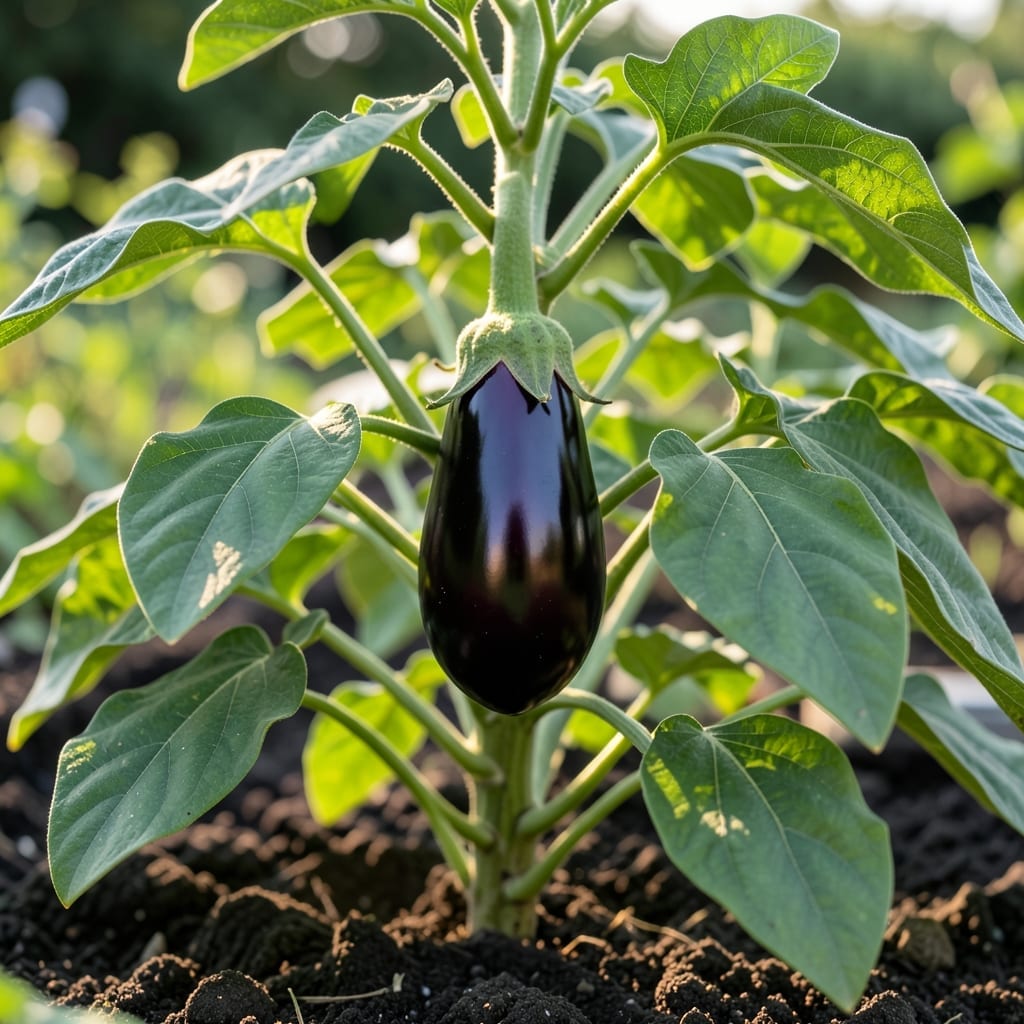
I still remember the first time I spotted one—two little green “eggs” peeking out of the soil. These plants aren’t just conversation starters; they’re surprisingly easy to grow once you understand their needs.
They thrive on neglect, which makes them perfect for forgetful gardeners. The key is mimicking their desert origins: bright light, minimal water, and well-draining soil. Overwatering is their biggest enemy.
Within weeks, you’ll notice subtle changes—new growth, slight color shifts—that reveal their true nature. They’re not actually eggs, of course, but the illusion is uncanny and endlessly fascinating.
Ideal for sunny windowsills or outdoor rock gardens. Here’s how to keep them happy for years.
The egg-like appearance of certain plants, particularly succulents like the Egg Plant (Kalanchoe longiflora) or String of Pearls (Senecio rowleyanus), isn’t random. It’s a result of evolutionary adaptations and structural efficiencies that help them thrive in harsh environments. Here’s why it happens:
Many egg-shaped plants are succulents, meaning their thick, rounded leaves store water. The spherical or oval shape minimizes surface area, reducing water loss through evaporation in arid climates. This adaptation, called xerophytism, allows them to survive long droughts.
The egg-like form can deter herbivores. Some plants, like the Living Stones (Lithops), mimic pebbles or animal eggs to blend into their surroundings—a survival tactic called camouflage. Predators overlook them, assuming they’re inedible or unappetizing.
Round or oval leaves maximize light exposure while minimizing heat absorption. The curved surface distributes sunlight evenly, preventing sunburn in intense desert conditions. This is why plants like Echeveria have tightly packed, egg-shaped rosettes.
Some plants naturally develop egg-shaped leaves due to genetic mutations that favor compact growth. Over generations, these traits become dominant in species where the shape provides a survival advantage, such as in rocky or sandy soils.
In short, the egg-like appearance is a multifunctional adaptation—helping plants store water, avoid predators, optimize sunlight, and thrive in tough conditions.
If your egg-shaped succulent isn’t thriving, these targeted fixes can help restore its health and beauty. Below are the most common problems and their solutions, along with tips to prevent future issues.
Yellow leaves often mean overwatering. Let the soil dry completely between waterings, and ensure the pot has drainage holes. If the roots are mushy, trim the affected areas and repot in fresh, well-draining soil. Prevention tip: Use a moisture meter 🌡️ to check soil dryness before watering.
If your plant is shedding leaves, it’s likely not getting enough light. Move it to a brighter spot, like a south-facing window, or supplement with a grow light for 6–8 hours daily. Prevention tip: Rotate the plant weekly ✨ to ensure even light distribution.
Mealybugs or spider mites? Wipe leaves with a damp cloth dipped in rubbing alcohol (70% isopropyl) or spray with neem oil. For severe cases, isolate the plant and repeat treatment weekly. Prevention tip: Inspect new plants 🔍 before bringing them near your succulent collection.
Wrinkled or deflated leaves signal thirst. Give the plant a thorough drink, ensuring water reaches the roots. If the soil is bone-dry, soak the pot in a tray of water for 10–15 minutes. Prevention tip: Set a gentle reminder ⏰ to water every 2–3 weeks in dry climates.
Living Stones (Lithops) and String of Pearls are top picks. Lithops mimic pebbles, while String of Pearls has bead-like leaves. Both thrive in bright, dry conditions.
Yes! Use a cactus/succulent mix with added perlite or sand for drainage. Regular potting soil holds too much moisture, risking root rot.
Only when the soil is completely dry—usually every 2-3 weeks. Overwatering causes yellowing or mushy leaves. When in doubt, wait it out.
Place near a south-facing window for 6+ hours of sunlight daily. Supplement with a grow light if natural light is limited.