
Beautiful Plants For Your Interior
Beautiful Plants For Your Interior
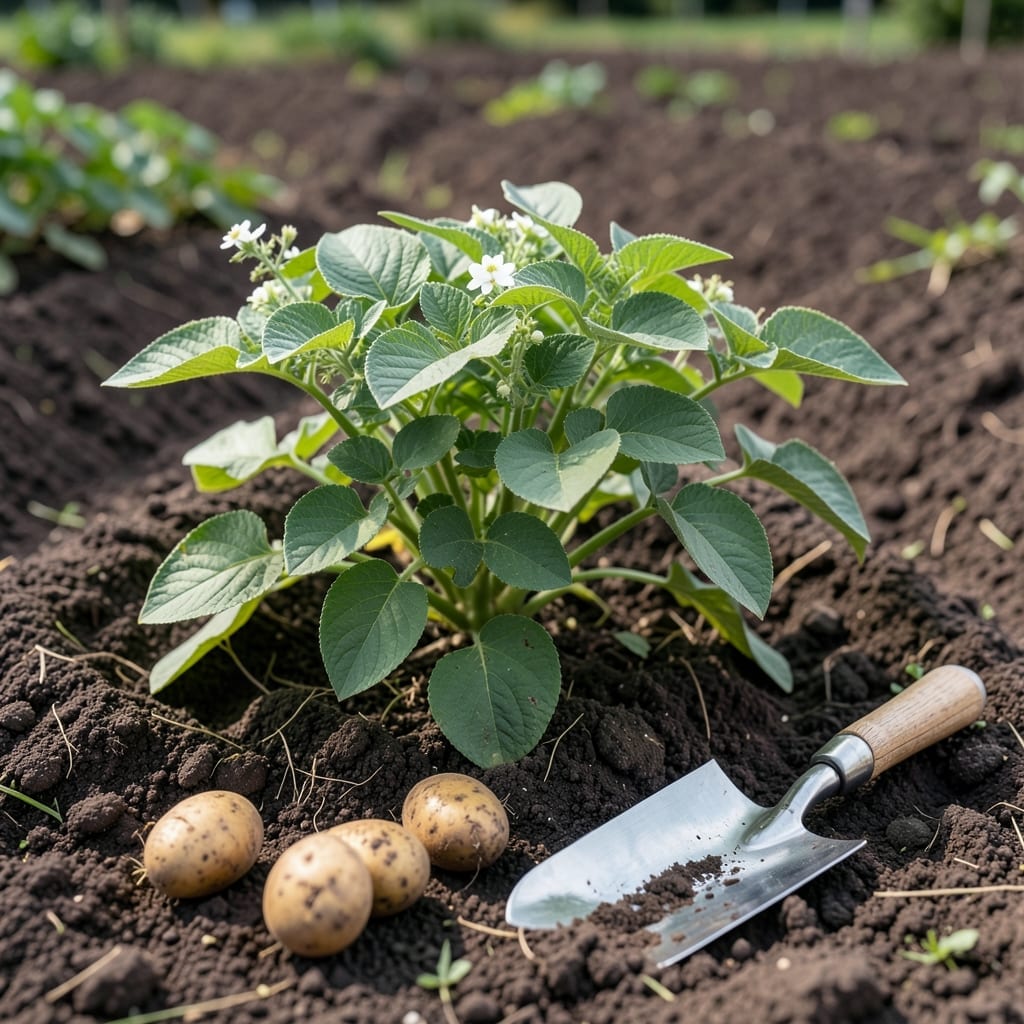
For generations, gardeners have sworn by planting 🥔 Potato on Good Friday for a bumper harvest. This age-old tradition ties agricultural wisdom to religious observation, but does it really work?
I’ve dug into the history and science behind this practice. The timing often aligns perfectly with spring planting windows, especially in zone 6 where March-April is ideal.
Let me share why this tradition persists and how you can make it work for your garden. The results might surprise you.

The tradition of planting potatoes on Good Friday dates back centuries, blending faith with farming. In many regions, this timing coincides with spring’s arrival when soil temperatures reach the ideal 45°F for potato growth.
Historically, Good Friday often falls in late March or early April, aligning perfectly with the optimal planting window for zones 5-7. This timing gives potatoes a full growing season before the first fall frost.
🌱 Why Good Friday Works
I’ve found that Good Friday planting works best in moderate climates where spring arrives steadily. The tradition serves as a simple calendar reminder for gardeners to get their seed potatoes in the ground.
For zone 6, this timing is nearly perfect. The soil has typically thawed and warmed enough for potato tubers to begin growing without rotting in cold, wet earth.
In colder areas like zone 4, you might need to wait until after Good Friday. The tradition still holds value as a general guideline, but always check your local soil temperature first.
This practice also aligns with lunar planting principles. Many traditional gardeners believe planting root crops during the waning moon leads to stronger root development.
From my experience, potatoes planted on Good Friday often establish quickly, benefiting from spring rains and gradually warming soil. This early start can mean larger harvests by midsummer.
Remember, while tradition is valuable, always consider your specific microclimate. If your area has a late spring, you might adjust the timing slightly to match your local conditions.
For the best results, pair this traditional timing with proper soil preparation. Well-draining, loose soil prevents waterlogging, which is crucial for healthy potato development.
The Good Friday tradition endures because it works for so many gardeners. Give it a try this year and see if this age-old wisdom brings you a bumper crop of homegrown potatoes 🌱
I always start by selecting healthy seed potatoes with visible eyes. Choose certified disease-free stock for the best results, as grocery store potatoes may carry diseases that ruin your crop.
About 2-3 weeks before Good Friday, I chit the potatoes by placing them in a bright, cool spot. This encourages strong sprouts to form, giving your plants a head start when planted.
🌱 Planting Day Steps
On Good Friday morning, I prepare my garden beds by loosening the soil to 12 inches deep. Potatoes thrive in loose, well-draining soil, so I work in plenty of compost or aged manure.
I plant my prepared potato pieces with the cut side down and eyes facing up. This orientation helps prevent rot while encouraging strong upward growth from each eye.
After planting, I water the bed lightly but thoroughly. Too much water can cause the pieces to rot, so I aim for moist but not soggy soil conditions.
Once the sprouts emerge in 2-3 weeks, I begin hilling the plants by mounding soil around the stems. This protects the developing tubers from sunlight and encourages more potato formation.
This Good Friday method has never failed me. The combination of proper preparation and traditional timing consistently yields a hearty potato harvest 🌿