
Beautiful Plants For Your Interior
Beautiful Plants For Your Interior
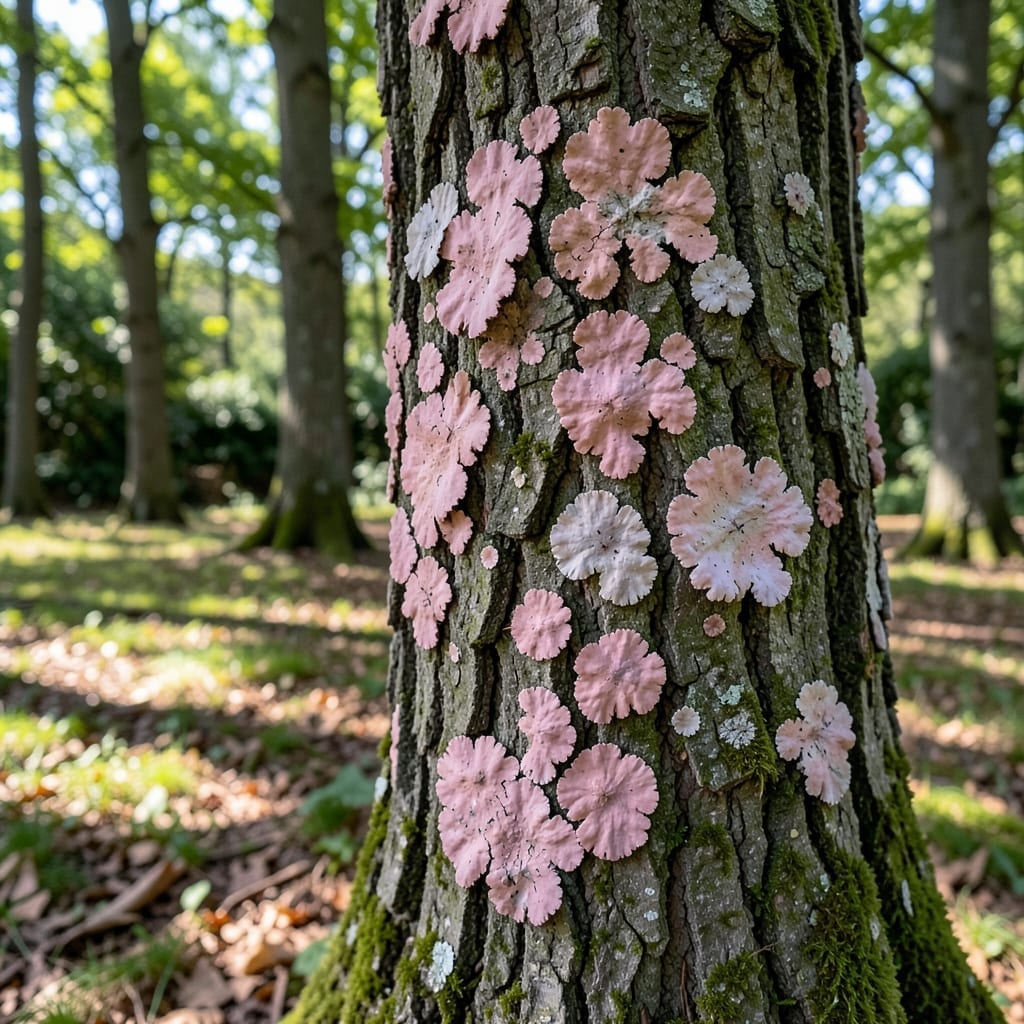
That pink splotch on your tree bark isn’t paint—it’s lichen moving in. I first spotted it on my maple last spring and immediately assumed the worst. Turns out, this colorful visitor tells a story about air quality and tree health.
Here’s the thing—pink lichen isn’t actually harming your tree. It’s a symbiotic partnership between fungus and algae that thrives in clean, moist conditions. The tree’s just providing a free apartment with great views.
Still, too much of it can signal your tree’s struggling with something else—like poor circulation or excess moisture. The solution isn’t eradication, but improving overall tree vigor so it can outcompete the lichen naturally.
Works for mature oaks, maples, or any tree sporting unexpected pink decor. Let’s clear up the confusion.
Pink lichen on trees, often a sign of Trentepohlia algae, appears due to specific environmental and biological factors. Below are the primary causes, explained in scientific yet actionable terms.
This algae thrives in damp conditions. Trees in shaded, poorly ventilated areas or regions with frequent rainfall are prime targets. Moisture retention on bark creates the ideal breeding ground for spores to settle and grow into visible pink or orange patches.
Trentepohlia prefers temperate to tropical climates (60–80°F). In cooler seasons, growth slows or halts, but warm, humid summers accelerate its spread. Trees in urban heat islands or southern landscapes are especially vulnerable.
Rough, alkaline bark (pH 7–9) provides a better surface for lichen attachment. Species like oak, maple, or sycamore often host pink lichen due to their naturally porous and nutrient-rich bark, which retains moisture and supports algal colonies.
While lichen is not parasitic, it benefits from airborne nutrients (e.g., nitrogen, phosphorus) in polluted or fertilized areas. Trees near farms, roads, or industrial zones may develop pink lichen faster due to higher nutrient deposition from dust or runoff.
If pink lichen appears on your trees, don’t panic—there are effective ways to address it. Below are targeted solutions based on the most common causes, along with prevention tips to keep your trees healthy long-term.
Pink lichen thrives in damp, stagnant conditions. Prune overgrown branches to allow sunlight and airflow to reach the trunk and inner canopy. This reduces moisture buildup, making it harder for lichen to spread. Use clean, sharp tools to avoid injuring the tree further.
For small infestations, gently scrub the lichen off with a soft-bristle brush or cloth. Avoid harsh scraping, as this can damage the bark. If the lichen is stubborn, a mild soap solution (1 tsp dish soap per gallon of water) can help loosen it. Rinse the area thoroughly afterward.
A strong tree resists lichen better. Fertilize with a balanced, slow-release formula to improve vigor, and water deeply but infrequently to encourage deep root growth. Mulch around the base (keeping it 2–3 inches away from the trunk) to retain moisture and regulate soil temperature.
Keep your trees in top shape with these habits:
💡 Pro tip: Lichen often signals a tree is stressed. If it persists after treatment, consult an arborist to rule out underlying issues like disease or pests.
No, pink lichen is not parasitic and doesn’t damage healthy trees. It simply uses the bark as a surface to grow while getting nutrients from the air. Think of it as a harmless hitchhiker rather than a pest.
Not necessarily. While lichen thrives on stressed trees, it can also appear on perfectly healthy ones in moist, shaded conditions. However, excessive growth may indicate poor air circulation or high humidity around the tree.
Avoid wire brushes—they can scrape off bark and leave your tree vulnerable to disease. Use a soft-bristle brush or cloth with mild soapy water instead for gentle removal.
Yes! Improve airflow by pruning nearby branches and reduce moisture with proper drainage. Keeping your tree vigorous through regular care is the best defense.