
Beautiful Plants For Your Interior
Beautiful Plants For Your Interior
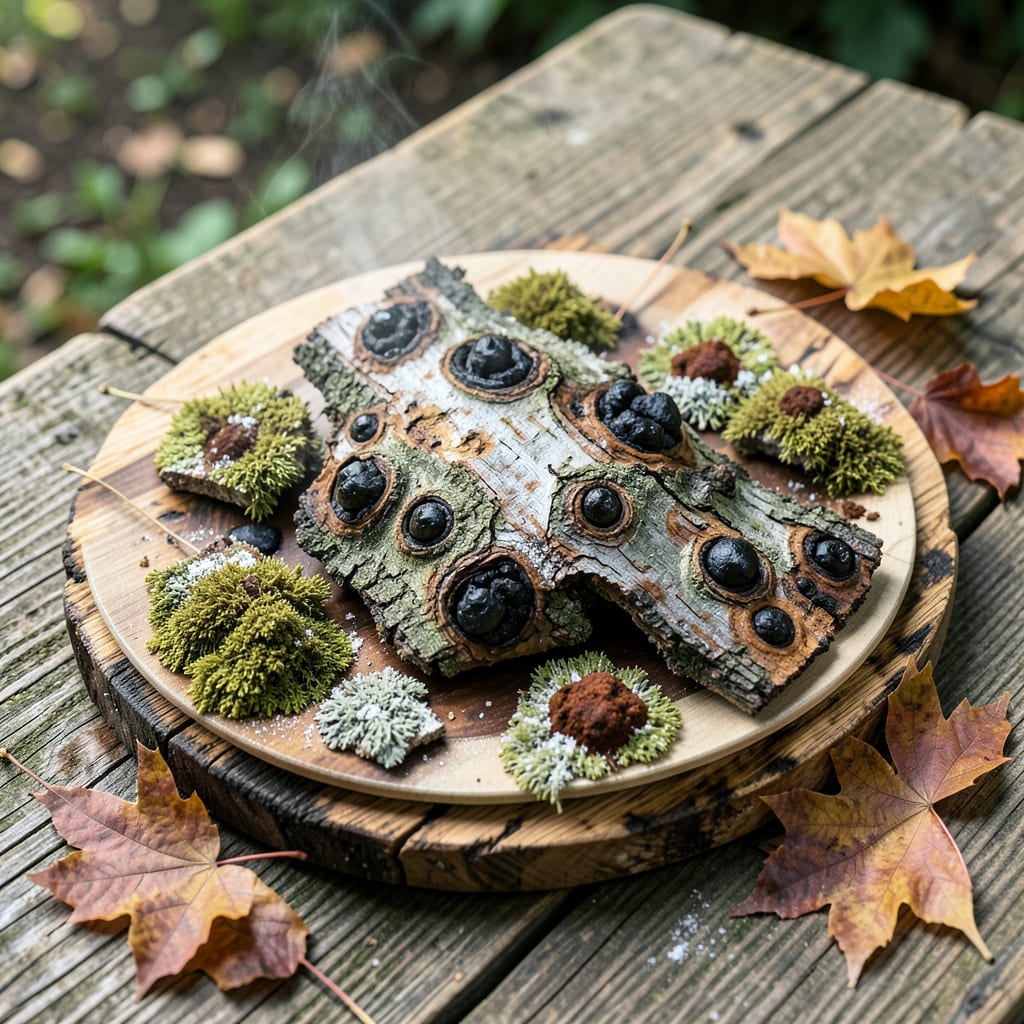
Spotted dark patches on your maple’s bark last week. 🌿 Not just unsightly—it’s a sign your tree might be fighting one of several common diseases that target its protective outer layer.
I’ve lost count of how many maples I’ve seen struggle with tar spot, canker, or powdery mildew. Left unchecked, these can weaken the tree and invite more serious problems to take hold.
Early diagnosis saves the day. You’ll learn to spot peeling bark, oozing sores, or blackened streaks before they spread, then take action with simple, organic treatments that actually work.
Prevention is easier than cure, and a few smart habits now keep your maples healthy for decades. Here’s what to watch for.
Maple tree bark diseases don’t appear out of thin air—they’re often the result of specific environmental, biological, or cultural triggers. Understanding these root causes helps you prevent and manage them effectively. Below are the most common reasons why these issues develop.
Many bark diseases, like tar spot fungus or bacterial leaf scorch, stem from microscopic invaders. Fungi such as Rhytisma spp. thrive in wet, humid conditions, while bacteria like Xylella fastidiosa spread via insects or contaminated tools. These pathogens enter through wounds, weak spots, or stressed tissue, breaking down the bark’s protective layers.
Drought, extreme temperatures, or poor soil conditions weaken a maple’s defenses. Stressed trees produce fewer protective compounds, making them vulnerable to infections. For example, sun scald (caused by rapid temperature swings) can crack bark, creating entry points for disease.
Improper pruning, lawnmower nicks, or animal gnawing (e.g., from deer or rodents) create open wounds. These breaks in the bark allow pathogens to colonize. Even minor injuries can escalate if left untreated, leading to cankers or dieback.
Insects like aphids or bark beetles don’t just harm trees directly—they also spread diseases. Sap-feeding pests introduce bacteria or fungi into the vascular system, while boring insects tunnel under the bark, disrupting nutrient flow and inviting rot.
Overcrowding, improper watering, or nutrient deficiencies compromise tree health. For instance, excessive mulch against the trunk traps moisture, fostering fungal growth. Similarly, over-fertilizing can lead to soft, susceptible new growth that’s easily infected.
By addressing these triggers—through sanitation, proper care, or pest control—you can significantly reduce the risk of bark diseases taking hold.
Dealing with maple tree bark diseases starts with identifying the issue and taking action. Below are targeted solutions for common problems, along with prevention tips to keep your trees healthy.
Fungal diseases like Verticillium wilt or Tar Spot thrive in damp, poorly ventilated areas. Prune infected branches immediately to prevent spread, using sterilized tools. Apply a copper-based fungicide in early spring or fall for protection. Prevention tip: Thin out crowded branches to boost airflow and reduce moisture buildup. 💡
Bacterial cankers (e.g., Nectria) cause sunken, oozing lesions. Cut out affected bark at least 4 inches below the canker and burn or dispose of it far from the tree. Disinfect pruning tools with rubbing alcohol between cuts. Prevention tip: Avoid wounding the tree during landscaping, as open wounds invite bacteria. ✨
Borers and beetles weaken bark, making it susceptible to disease. Introduce beneficial nematodes or use horticultural oil to target pests. For severe infestations, consult an arborist. Prevention tip: Keep trees well-watered and mulched to reduce stress, which attracts pests. 🌡️
Drought, extreme heat, or poor soil can stress maples, leaving them vulnerable. Ensure consistent watering (1–2 inches weekly) and mulch to retain moisture. Test soil pH and amend if needed—maples prefer slightly acidic to neutral soil (6.0–7.0). Prevention tip: Avoid heavy pruning during extreme weather. 🎯
Regularly inspect your maple’s bark for early signs of trouble—early intervention saves trees! 🌳
Look for peeling bark, dark spots, or oozing wounds. Some diseases cause cankers, while others create powdery or tar-like patches. Early signs often include discoloration or unusual texture changes.
Keep your tree healthy with proper watering, mulching, and pruning. Sterilize tools between cuts, and avoid wounding the trunk. Good airflow reduces fungal risks, so space trees appropriately.
Yes, if caught early! Remove affected areas, improve care, and apply treatments like fungicides. Severe cases may need professional help, but many trees bounce back with the right intervention.
