
Beautiful Plants For Your Interior
Beautiful Plants For Your Interior
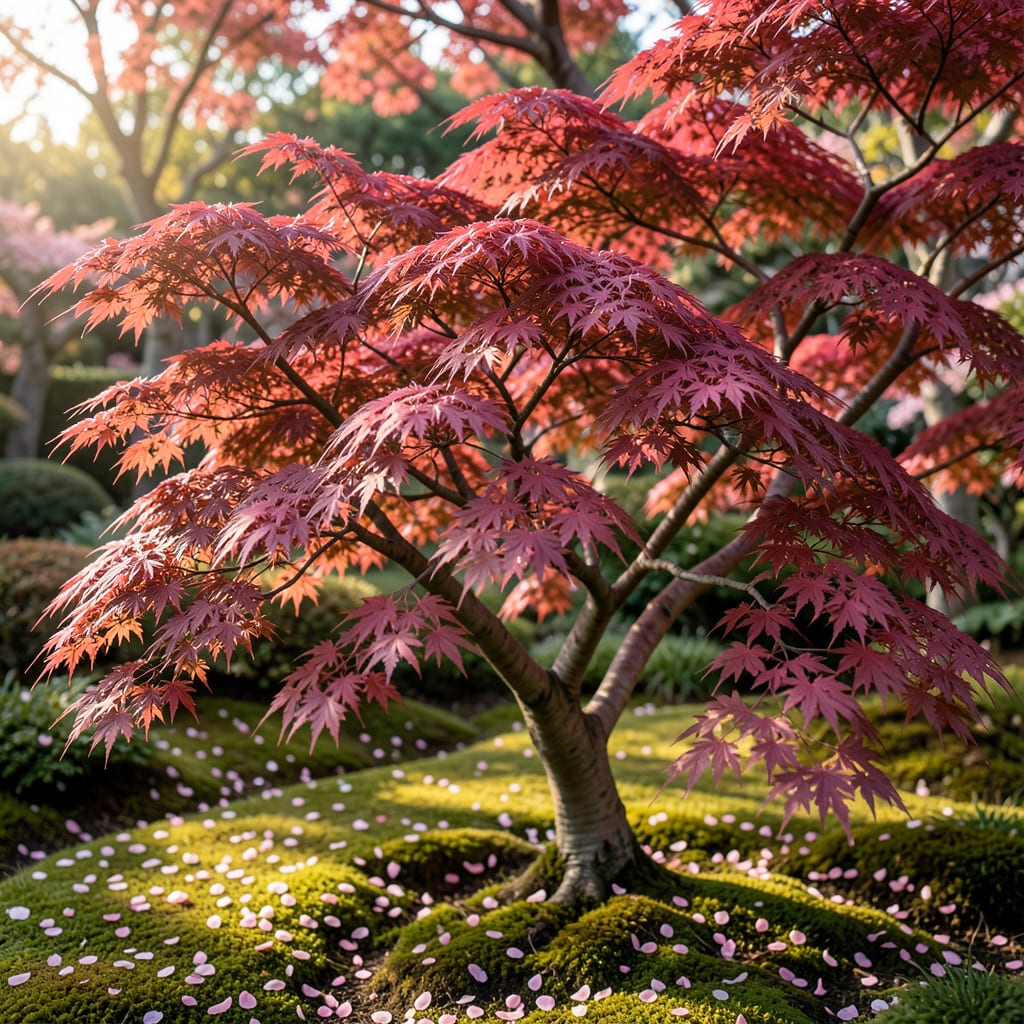
Spring transforms my garden when those first pink leaves unfurl like nature’s own confetti. There’s something about watching a tree shift from bare branches to a cloud of soft color that never gets old.
These varieties bring season-long beauty, but timing matters—plant in early spring or fall for best results. A little care keeps that vibrant foliage stunning through the growing season.
📚 In This Guide
Here’s the method I use to ensure vibrant pink foliage that transforms gardens each spring.
Choose species known for their spring pink foliage, like the Japanese maple ‘Bloodgood’ or the flowering dogwood ‘Cherokee Chief’. These cultivars reliably produce the most intense pink hues. I always verify the tree’s hardiness zone matches my climate to prevent winter dieback.
Consider mature size when selecting—dwarf varieties work for small spaces while larger specimens need room to spread. The color intensity varies by variety, with some showing deep magenta while others display soft blush tones.
Early spring planting, just as the ground becomes workable, gives roots time to establish before summer heat. I dig a hole twice as wide as the root ball but no deeper—the crown should sit slightly above soil level to prevent rot.
Amend the native soil with compost to improve drainage while maintaining moisture retention. Pink-leafed trees often prefer slightly acidic soil (pH 5.5-6.5), so I test and amend with sulfur if needed before planting.
Most pink-leafed trees require full sun to partial shade to develop their best color. I position mine where they receive morning sun and afternoon shade in hotter climates to prevent leaf scorch. The pink pigments are most vibrant with consistent light exposure.
Watch for leaf color changes throughout the day—deep pink in the morning often fades to softer hues by evening. This natural variation adds depth to the display and confirms the tree is receiving adequate light.
Keep soil consistently moist but not waterlogged during the first growing season. I water deeply once or twice weekly, allowing the top 1-2 inches of soil to dry between waterings. Mulch with 2-3 inches of organic material to retain moisture and regulate soil temperature.
Drought stress causes premature leaf drop and dulls the pink coloration. I check soil moisture by inserting my finger—if it feels dry at the first knuckle, it’s time to water. The mulch also suppresses weeds that compete for nutrients.
Apply a balanced, slow-release fertilizer in early spring as new growth emerges. I use a formula with slightly higher phosphorus (the middle number) to encourage blooming and leaf color. Too much nitrogen produces excessive green growth at the expense of pink hues.
Follow package instructions for application rates, typically 1-2 pounds per 100 square feet of root zone. Water thoroughly after fertilizing to activate the nutrients and prevent root burn. The color response to proper feeding is visible within 2-3 weeks.
These insights will help you avoid common pitfalls and achieve the most vibrant spring display.
Selection Wisdom: In Step 1, prioritize cultivars like ‘Bloodgood’ Japanese maple or ‘Cherokee Chief’ dogwood for reliable pink foliage. Confession: I once chose a variety based solely on mature size, only to be disappointed by its muted color. Always verify both the hardiness zone match and the cultivar’s reputation for vibrant pink hues before purchasing.
Planting Precision: For Step 2, remember that hole depth is critical—the crown must sit slightly above soil level to prevent rot. I learned this the hard way after losing a prized specimen to root rot. Also, testing soil pH before planting saves time later; amend with sulfur if needed to reach that ideal 5.5-6.5 range for pink-leafed trees.
Light Exposure Strategy: Step 3’s morning sun and afternoon shade recommendation works perfectly in hotter climates. Real talk: even partial shade all day can work, but the color won’t be as intense. The natural color variation throughout the day is actually a good sign—it means your tree is receiving the consistent light exposure it needs to maintain those vibrant pink pigments.
Moisture Management: The once or twice weekly watering schedule in Step 4 works best when you check soil moisture at the first knuckle depth. Between us, I’ve found that the 2-3 inches of mulch makes all the difference in maintaining consistent moisture. Without it, you’ll be watering more frequently, and the color will suffer from the stress.
Many trees, like cherry blossoms or redbuds, produce pink leaves or flowers in spring due to pigments called anthocyanins, which are more visible during cooler temperatures and new growth.
Early spring or fall is ideal for planting trees with pink foliage. This allows roots to establish before extreme heat or cold. Avoid planting during summer or winter dormancy.
Popular choices include Cherry Blossom, Redbud, Dogwood, and Crabapple trees. Each offers unique shades of pink and varying bloom times.
As leaves mature, chlorophyll (green pigment) often overrides anthocyanins (pink/red), especially in warmer weather. This is a natural process for many species.
Ensure proper sunlight, consistent watering, and balanced fertilizer. Avoid stress factors like drought or pests, which can dull leaf color.
