
Beautiful Plants For Your Interior
Beautiful Plants For Your Interior
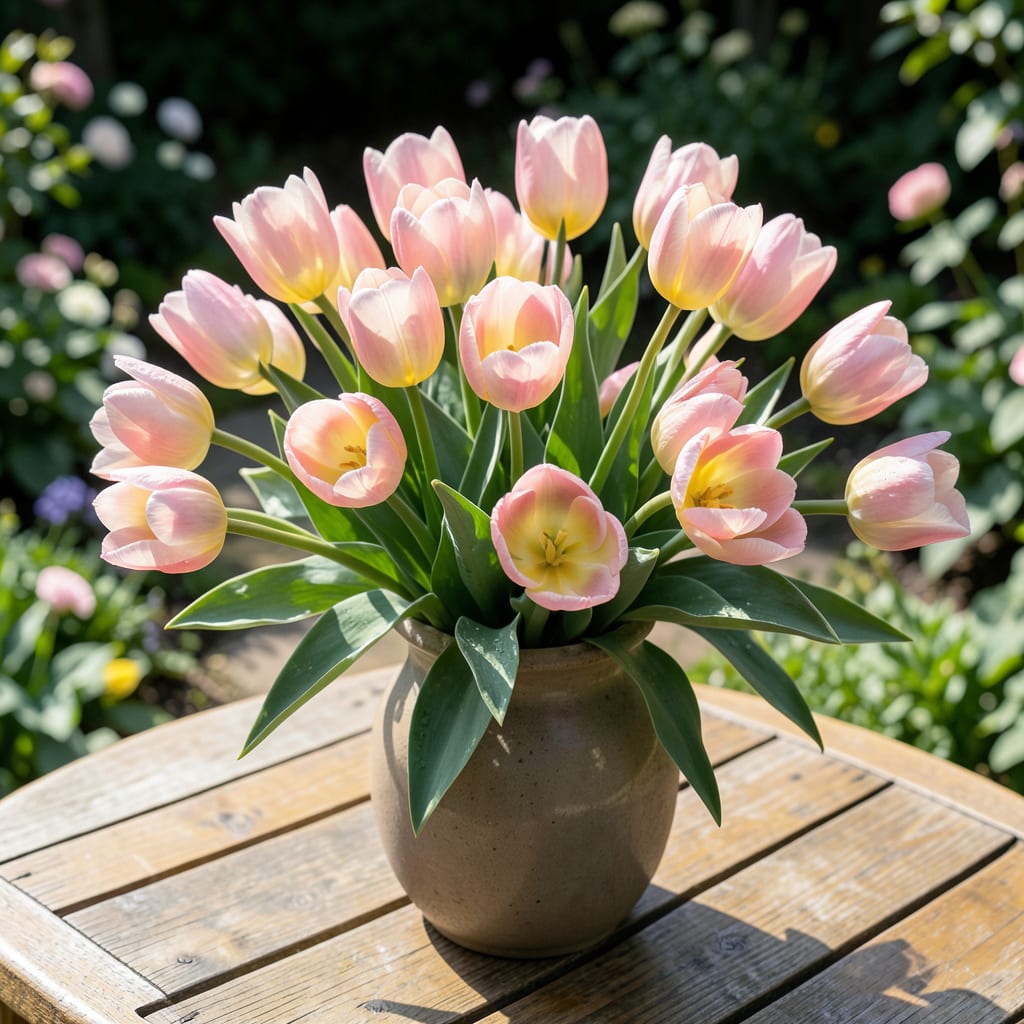
Nothing beats watching pink and yellow tulips pop open in spring. I planted my first batch last fall, and the color combo stopped neighbors in their tracks.
These pair perfectly in full sun with well-drained soil. Plant bulbs 6 inches deep in autumn, and they’ll reward you with weeks of vibrant blooms when everything else is still waking up.
📚 In This Guide
Here’s the method I use to create a breathtaking spring display with these complementary colors.
Select a spot that receives at least 6-8 hours of direct sunlight daily. Tulips thrive in full sun and will produce the most vibrant blooms when given ample light. Avoid low-lying areas where water might pool, as bulb rot is a common issue in soggy soil.
Test your soil drainage by digging a 12-inch deep hole and filling it with water. If it drains within 1-2 hours, you’re good to go. If not, consider amending the soil or choosing a different location with better drainage.
Tulips prefer well-draining, slightly acidic soil with a pH between 6.0-7.0. Work the ground to a depth of 12-15 inches, breaking up any clumps and removing rocks or debris. This loosens the soil, allowing roots to penetrate easily.
Mix in a 2-3 inch layer of compost or aged manure to improve fertility. I’ve found that this simple step makes a noticeable difference in bloom size and stem strength. Avoid fresh manure, as it can burn tender roots and introduce weeds.
Plant tulip bulbs in fall, about 6-8 weeks before your first hard frost. This gives them time to establish roots before winter. Place bulbs 6-8 inches deep (measure from the base of the bulb) and 4-6 inches apart.
For a natural look, I plant in clusters of 5-7 bulbs rather than straight rows. Position the bulbs with their pointed ends facing upward. If you’re unsure which end is up, plant them on their sides—they’ll figure it out.
After placing the bulbs, cover them with soil and water thoroughly to settle the earth and eliminate air pockets. You’ll want the soil to be moist but not waterlogged at this stage.
Water your tulips once a week if rainfall is less than 1 inch per week. Stop watering once the foliage begins to yellow after blooming, as this signals the bulb is entering dormancy.
Apply a 2-3 inch layer of mulch after planting to insulate the soil and retain moisture. In spring, as shoots emerge, gradually remove the mulch to allow sunlight to reach the new growth.
Fertilize in early spring when shoots appear with a balanced 10-10-10 fertilizer. This gives the plants a nutrient boost just when they need it most for flower production.
After your tulips bloom, resist the urge to cut back the foliage immediately. The leaves continue to photosynthesize and store energy for next year’s blooms. Wait until the foliage turns completely yellow and dies back naturally, which typically takes 4-6 weeks.
For the most reliable spring display, I lift tulip bulbs every 3-4 years to divide and replant. This prevents overcrowding and maintains vigorous blooms. Store dug-up bulbs in a cool, dry place until fall planting time.
Small details make the difference between a mediocre display and a showstopping spring garden.
Sunlight Strategy: That 6-8 hours of direct sunlight in Step 1 isn’t just a suggestion—it’s critical for vibrant blooms. I’ve learned the hard way that morning sun alone won’t cut it. If your garden has partial shade, prioritize spots that get afternoon sunlight, which is more intense and promotes stronger stems.
Drainage Test: The 1-2 hour drainage test from Step 1 is your best defense against bulb rot. Here’s what nobody tells you—if water sits longer than 2 hours, try amending with coarse sand or perlite, or consider raised beds. Tulips hate wet feet more than almost any other bulb.
Planting Depth: In Step 3, planting bulbs 6-8 inches deep might feel too deep, but it’s insurance against winter freezes and summer droughts. I measure from the base of the bulb, not the tip, and use a ruler until it becomes second nature. Shallower planting often leads to floppy stems.
Aftercare Timing: The 4-6 weeks for foliage die-back in Step 5 can be torture when you’re itching to tidy up, but those leaves are solar panels for next year’s blooms. If the yellowing foliage bothers you, plant bulbs behind summer annuals that will fill in as the tulips fade.
Plant tulip bulbs in fall, 6-8 weeks before the first hard frost. This gives them time to establish roots before winter. Aim for cool soil temperatures (below 60°F).
Deadhead spent blooms but leave the foliage until it turns yellow. This allows the plant to store energy for next year. Water moderately and avoid over-fertilizing.
Yes! Use well-draining soil and a deep pot. Ensure the container has drainage holes to prevent bulb rot. Place in a sunny spot and water when the top inch of soil is dry.
Common reasons include planting too shallow, poor soil drainage, or blind bulbs (from the previous year). Ensure proper depth (6-8 inches) and healthy bulbs when planting.
