
Beautiful Plants For Your Interior
Beautiful Plants For Your Interior
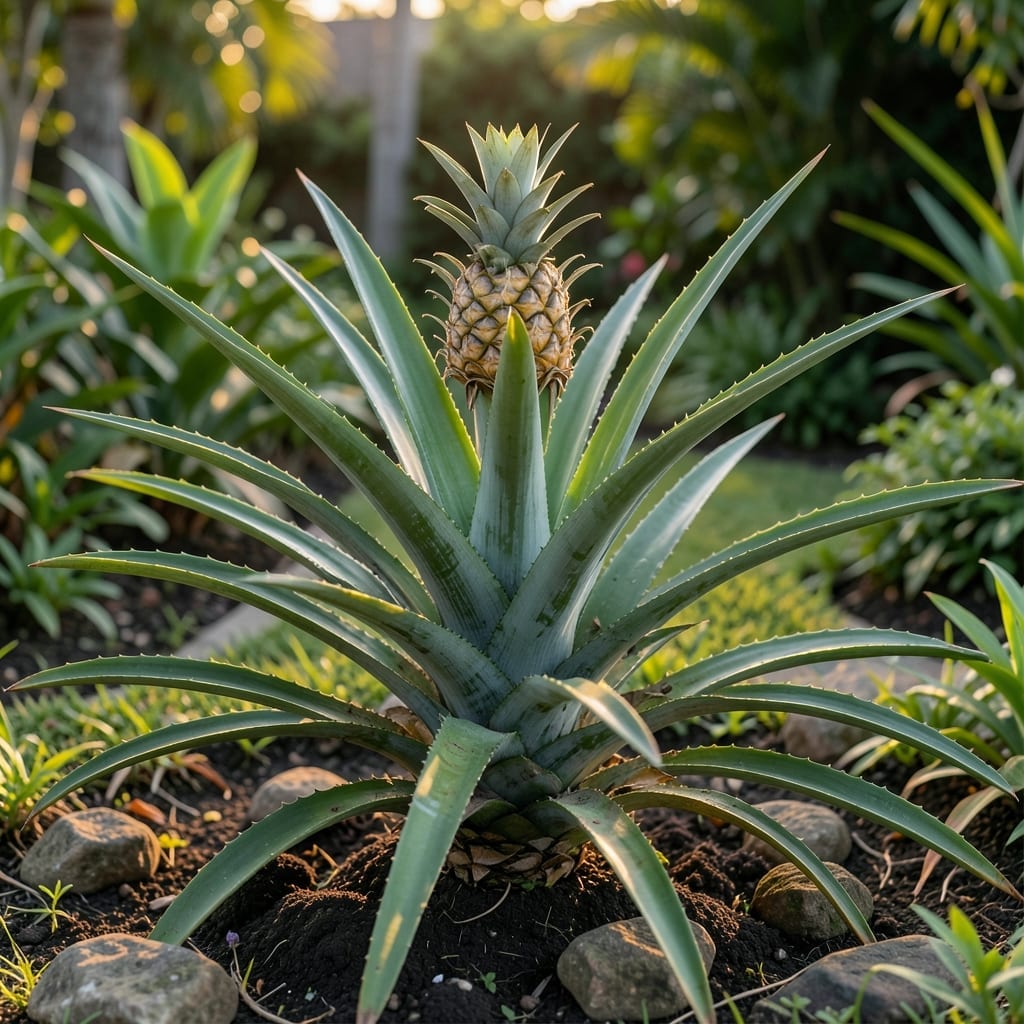
Yellow leaves on a pineapple plant aren’t a death sentence—they’re a distress signal. I’ve saved dozens from the brink by decoding what the color changes actually mean.
Overwatering drowns the roots, while nutrient shortages starve the leaves from the inside out. The fix starts with checking soil moisture before you water and adding a slow-release fertilizer to replace what’s missing.
Within 2-3 weeks of the right adjustments, new growth emerges in that deep, healthy green you’re after. The plant stops wasting energy on damaged leaves and focuses on recovery.
Works for indoor pots and outdoor beds alike. Here’s how to diagnose and treat the real issue behind the yellow.
Pineapple plants turn yellow for several reasons, often tied to environmental or care-related stressors. Below are the most common causes, explained with actionable insights.
Yellowing leaves often signal a lack of essential nutrients. Nitrogen deficiency causes uniform yellowing of older leaves, while magnesium or iron shortages lead to interveinal chlorosis (yellowing between veins). Test soil pH—pineapples thrive in slightly acidic conditions (5.5–6.5). Amend with a balanced fertilizer or organic matter like compost.
Pineapples are tropical plants and dislike cold drafts or extreme heat. Temperatures below 60°F (15°C) can trigger yellowing, as can sudden temperature swings. Keep plants in a stable environment, ideally between 68–85°F (20–29°C), and avoid placing them near cold windows or heat sources.
Root rot from excess moisture is a silent killer. Yellowing leaves, especially in the lower foliage, often indicate waterlogged soil. Pineapples prefer well-draining soil—use a mix with perlite or sand. Water only when the top 1–2 inches of soil are dry, and ensure pots have drainage holes.
Pineapples need 6–8 hours of bright, indirect sunlight daily. Inadequate light causes pale, yellowish leaves as chlorophyll production drops. Move plants to a sunnier spot or supplement with grow lights if indoors. Avoid harsh direct sun, which can scorch leaves.
Once you’ve identified the cause, these practical fixes will help restore your pineapple plant’s vibrant green color. Address each issue with simple, actionable steps to bring your plant back to health.
Fix: Stop watering immediately and let the soil dry out completely. Repot the plant in fresh, well-draining soil if the roots are waterlogged or rotting. Use a terracotta pot to improve drainage.
Prevention: Water only when the top 1-2 inches of soil are dry. Stick your finger in the soil to check moisture levels before watering. 💡 Pro tip: Pineapples are drought-tolerant—when in doubt, underwater rather than overwater.
Fix: Treat nitrogen deficiency with a balanced fertilizer (10-10-10) or a nitrogen-rich option like fish emulsion. For iron or magnesium shortages, apply chelated iron or Epsom salt (1 tablespoon per gallon of water) as a foliar spray.
Prevention: Feed your pineapple plant with a slow-release fertilizer every 2-3 months during the growing season. Use compost or organic matter to enrich the soil naturally.
Fix: Move your plant to a sunnier spot where it can get at least 6-8 hours of direct sunlight daily. If growing indoors, place it near a south-facing window or use a grow light for 12-14 hours a day.
Prevention: Rotate the pot weekly to ensure even light distribution. If outdoor light is limited, consider supplementing with artificial grow lights during shorter days.
Fix: Wipe down leaves with a damp cloth to remove pests like spider mites or mealybugs. Apply neem oil or insecticidal soap (1 teaspoon per quart of water) every 5-7 days until the infestation clears.
Prevention: Inspect your plant regularly for early signs of pests. Keep the area around the plant clean and free of debris to discourage infestations.
Fix: Move the plant to a location with stable temperatures between 68-85°F. If exposed to cold drafts, use a heat lamp or relocate it to a warmer room. For heat stress, provide shade during the hottest part of the day.
Prevention: Avoid placing the plant near air conditioners, heaters, or drafty windows. Use a thermometer to monitor the environment around your plant.
Water only when the top 1-2 inches of soil are dry. These plants are drought-tolerant, so underwatering is safer than overwatering.
A balanced 10-10-10 fertilizer works well. For iron or magnesium shortages, use chelated iron or Epsom salt as a foliar spray.
Yes, temperatures below 60°F (15°C) can trigger yellowing. Keep your plant in a stable environment between 68–85°F (20–29°C).
It requires 6–8 hours of bright, indirect sunlight daily. If indoors, place it near a south-facing window or use grow lights.