
Beautiful Plants For Your Interior
Beautiful Plants For Your Interior
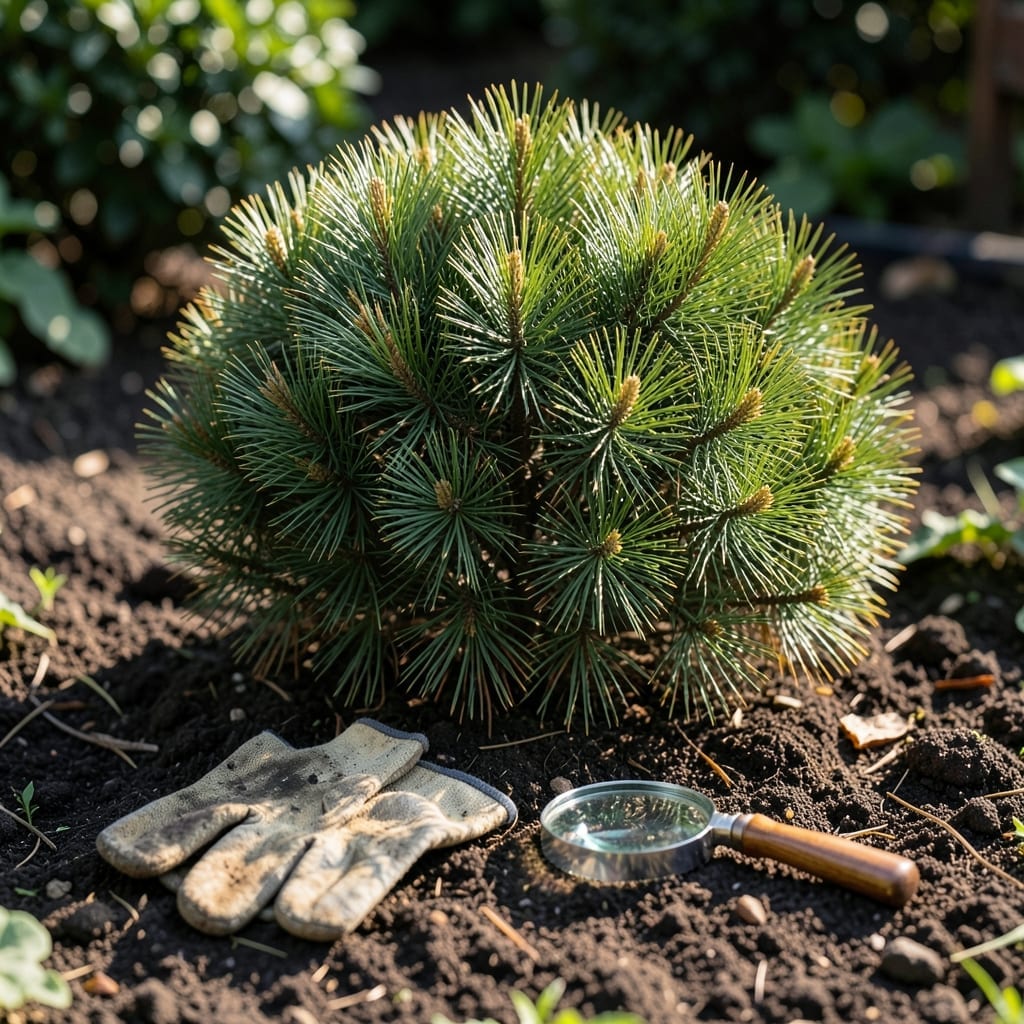
Yellowing needles or stunted growth on your pines isn’t just unsightly—it’s a cry for help. I’ve seen healthy shrubs decline fast when disease strikes, but early action can save them.
Most pine diseases start with subtle signs: brown tips, sawdust-like fungi, or resin oozing from the bark. The culprits are often fungus, bacteria, or poor growing conditions. Catching these early means the difference between recovery and removal.
With the right knowledge, you can diagnose issues before they spread. I’ll show you what to look for and how to respond—no fancy equipment needed, just sharp observation and timely care.
This guide works for all pine varieties, from dwarf mugo to towering white pines. Let’s keep your shrubs thriving.
Understanding the root causes of pine shrub ailments is the first step toward prevention. These diseases often stem from a mix of environmental stressors, pathogenic attacks, and cultural mismanagement. Below are the primary triggers, broken down for clarity and actionability.
Pine shrubs thrive in specific conditions, and deviations can weaken their defenses. Drought stress reduces a plant’s ability to fend off pathogens, while waterlogged soil encourages root rot fungi like Phytophthora. Extreme temperatures—either too hot or too cold—can also compromise the shrub’s resilience, making it susceptible to opportunistic infections.
Many pine shrub diseases are caused by specialized pathogens. Fungi such as Dothistroma (causing needle blight) and Armillaria (root rot) spread through spores in moist, poorly ventilated environments. Bacteria like Pseudomonas syringae exploit wounds or weak tissues, leading to cankers or dieback. These pathogens often thrive in overcrowded plantings where airflow is restricted.
Human error plays a significant role. Over- or under-fertilizing disrupts the soil’s natural balance, stressing the plant. Improper pruning can create entry points for diseases, while contaminated tools spread pathogens between plants. Additionally, planting pines in unsuitable soil pH (too alkaline or acidic) limits nutrient uptake, weakening the shrub over time.
Insects like pine bark beetles or sawfly larvae don’t just damage shrubs directly—they also transmit fungal spores (e.g., Ophiostoma species) or create wounds that invite secondary infections. A stressed pine is more attractive to pests, creating a vicious cycle of decline.
Dealing with pine shrub issues doesn’t have to be overwhelming. Below are targeted solutions for the most common problems, along with prevention tips to keep your shrubs thriving.
If you spot brown or black needles, prune infected branches immediately to prevent spread. Use sterilized pruning shears and dispose of the debris far from healthy plants. Apply a copper-based fungicide every 2-3 weeks during wet seasons. Prevention tip: Space shrubs properly for airflow and avoid overhead watering. 💡
Yellowing needles and wilting often signal root rot. Stop watering immediately and check soil moisture. If the soil is soggy, amend with sand or compost to improve drainage. For severe cases, remove the shrub and replant in well-draining soil. Prevention tip: Plant in raised beds or slopes to avoid waterlogging. ✨
Tiny holes in the bark or sawdust-like frass mean beetles are present. Remove heavily infested shrubs to protect others. For mild cases, spray with neem oil or insecticidal soap at dawn or dusk. Prevention tip: Keep shrubs healthy with proper watering and fertilization to deter pests. 🎯
Brown tips or stunted growth may result from extreme heat, cold, or drought. Mulch around the base to retain moisture and regulate temperature. Water deeply during dry spells and use burlap wraps in winter to shield from frost. Prevention tip: Choose pine varieties suited to your climate for long-term resilience. 🌡️
Brown needles often indicate needle blight, typically caused by fungal pathogens like Dothistroma. Poor airflow, high humidity, or wet conditions accelerate its spread. Prune infected areas and apply a copper fungicide immediately.
Yes, soggy soil leads to root rot, which can kill the plant. If the soil stays wet, stop watering and amend it with sand or compost to improve drainage. Prevention is key—plant in well-draining areas.
Maintain healthy shrubs through proper watering and fertilization, as stressed plants attract pests. Inspect bark regularly for tiny holes or frass and use neem oil at dawn or dusk for mild cases.
Mulch retains moisture, regulates soil temperature, and protects roots from extreme heat or cold. Apply a 2-3 inch layer around the base, but avoid piling it against the trunk.