
Beautiful Plants For Your Interior
Beautiful Plants For Your Interior
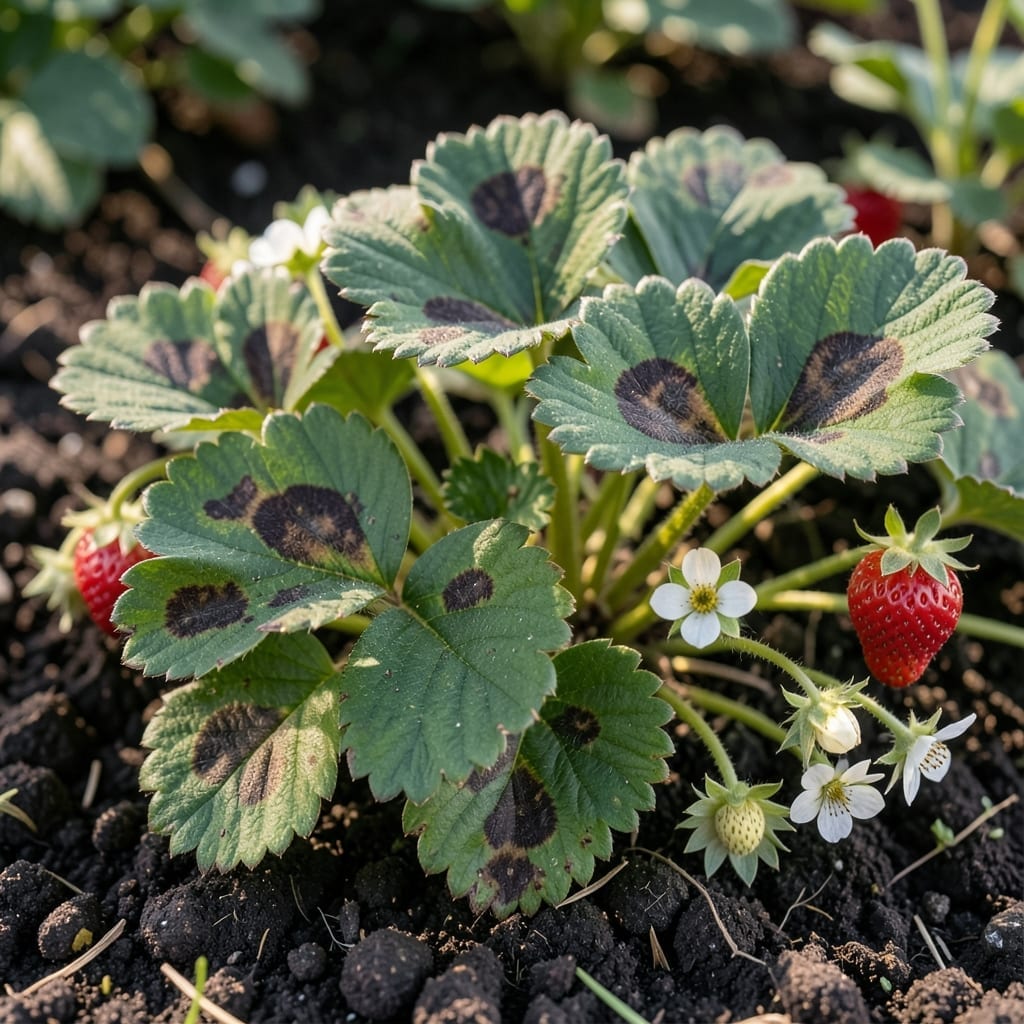
Those brown spots on your leaves aren’t just unsightly—they’re spreading. I first noticed Phyllosticta on my strawberries, thinking it was just a bad week for the plants.
Small, circular lesions with tan centers and dark edges appear, often merging into larger dead patches. It hits strawberries hardest but also targets tomatoes, potatoes, and ornamentals. Left unchecked, it weakens plants and reduces yields.
Organic treatment starts with removal—prune infected leaves immediately and destroy them. Then, improve airflow and avoid overhead watering to slow its progress. Copper fungicides can help, but prevention is your best defense.
Early action saves your harvest. Here’s how to spot it fast and stop it in its tracks.
Phyllosticta leaf spot doesn’t appear out of nowhere—it’s the result of specific environmental and biological factors that create the perfect storm for infection. Below are the primary causes, explained in clear, actionable terms.
The fungus Phyllosticta thrives in wet conditions. Overhead watering, prolonged rain, or high humidity (above 85%) create an ideal breeding ground. Waterlogged soil or poor drainage further exacerbates the issue by keeping foliage damp for extended periods. Action: Water plants at the base early in the day to allow leaves to dry quickly, and improve soil drainage.
Plants under stress—whether from nutrient deficiencies, drought, or physical damage—are more susceptible to fungal infections. Phyllosticta often targets weakened tissue, such as old leaves or wounds from pruning. Action: Maintain plant health with balanced fertilization and avoid mechanical injury to leaves.
This fungus proliferates in temperatures between 75–85°F (24–29°C) with high humidity. These conditions accelerate spore germination and spread. Action: Increase air circulation around plants with proper spacing and pruning to reduce humidity pockets.
Splashing water from overhead irrigation spreads fungal spores from infected leaves to healthy ones. Similarly, pruning tools used on infected plants can transfer the pathogen. Action: Use drip irrigation and disinfect tools with a 10% bleach solution or rubbing alcohol between cuts.
Phyllosticta overwinters in fallen leaves and dead plant material. If not removed, these debris become a spore reservoir, reinfecting plants in the next growing season. Action: Rake and destroy (do not compost) infected debris to break the disease cycle.
Dealing with Phyllosticta leaf spot doesn’t have to be complicated. Below are targeted solutions for each common cause, along with prevention tips to keep your plants healthy long-term.
If your plants are watered from above, switch to drip irrigation or soaker hoses to keep foliage dry. Water in the early morning so leaves dry quickly in the sun. Remove wet leaves immediately to stop fungal spread.
Prevention: Space plants for airflow and avoid late-day watering. 💡 Pro tip: Use a rain gauge to track moisture levels.
Rake and destroy (do not compost) fallen leaves and plant debris where the fungus overwinters. Sterilize pruning tools with rubbing alcohol between cuts to avoid spreading spores.
Prevention: Apply a 2–3 inch layer of mulch (but keep it away from stems) to reduce splash-back spores.
Thin out dense foliage to increase ventilation. For greenhouse plants, use fans to keep air moving. Avoid overcrowding pots or garden beds.
Prevention: ✨ Space plants according to their mature size and prune regularly.
Spray affected plants with neem oil or copper-based fungicides (follow label instructions). For severe cases, remove heavily infected leaves or branches to contain the spread.
Prevention: Apply baking soda spray (1 tbsp baking soda + 1 tsp dish soap + 1 gallon water) every 2 weeks as a preventive measure.
🎯 Key: Rotate treatments to prevent fungal resistance.
Small circular spots with tan centers and dark edges appear on leaves. They often merge into larger dead patches as the infection spreads. Check lower leaves first, as they’re most vulnerable.
No, it also targets tomatoes, potatoes, and ornamentals. The fungus spreads easily between plant types, so isolate infected ones immediately to prevent cross-contamination.
Never compost infected plant material—this allows the fungus to survive and spread. Always destroy debris by burning or sealing in a trash bag to break the disease cycle.
Under warm, humid conditions, it can spread across a plant in 1-2 weeks. Early removal of infected leaves and improving airflow are critical to slowing its progress.