
Beautiful Plants For Your Interior
Beautiful Plants For Your Interior
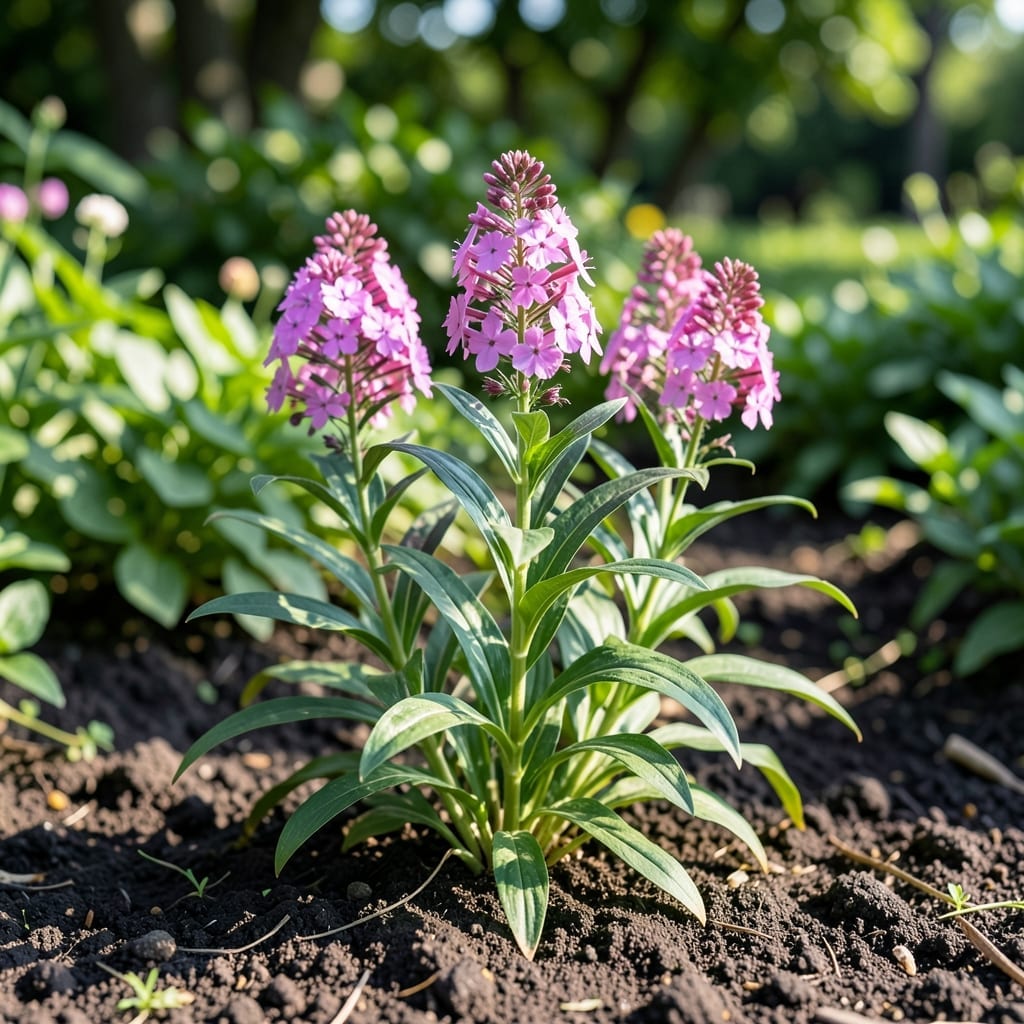
Spotting curled leaves on your phlox can feel alarming at first. I’ve seen healthy plants go from lush to twisted in days, and it’s always a sign something’s off.
This usually isn’t about the plant itself—it’s about stress from pests, disease, or environmental factors. The good news is that early action can save your phlox before the damage spreads.
You’ll learn to recognize the subtle differences between pest damage and disease, plus the foolproof fixes that work in most gardens. No guesswork, just results.
Works for all phlox varieties, from tall garden types to low-growing creeping sorts. Let’s get to the root of the problem.
Phlox leaf curl is a frustrating issue that can mar the beauty of your garden. Understanding the root causes helps you tackle it effectively. Below are the primary reasons why this problem occurs, along with clear, actionable explanations.
One of the most common culprits is Plasmopara obducens, the fungal pathogen responsible for downy mildew. This pathogen thrives in cool, wet conditions and infects phlox leaves, causing them to curl, yellow, or develop a downy growth on the underside. Spores spread via water splashes or wind, making crowded plantings especially vulnerable.
Extreme fluctuations in temperature or humidity can stress phlox plants, leading to leaf curl. Heat stress, in particular, causes leaves to curl inward to reduce water loss. Similarly, overwatering or poor drainage can suffocate roots, disrupting nutrient uptake and triggering curling as a stress response.
Sap-sucking pests like aphids, spider mites, or thrips can cause leaf curl by damaging plant cells and introducing toxins. These pests often target new growth, leading to distorted, curled leaves. Check the undersides of leaves for tiny insects or webbing to confirm an infestation.
A lack of essential nutrients, particularly magnesium or calcium, can manifest as leaf curl. Magnesium deficiency often causes interveinal chlorosis (yellowing between veins) alongside curling, while calcium deficiency leads to new growth distortion. A soil test can pinpoint the exact imbalance.
Less common but possible, viruses like Phlox virus X can induce leaf curl, stunting, and mottling. These viruses are typically spread by infected tools, aphids, or contaminated plant material. Unfortunately, viral infections have no cure, so prevention—such as sterilizing tools and controlling pests—is key.
Tackling phlox leaf curl starts with pinpointing the cause. Below are targeted fixes paired with prevention tips to keep your plants thriving.
If fungal pathogens are to blame, prune affected leaves immediately using sterilized shears to prevent spread. Dispose of infected material in the trash—not compost. Apply a copper-based fungicide or neem oil spray every 7–10 days until symptoms subside. Prevention tip: 💡 Improve air circulation by spacing plants 12–18 inches apart and watering at the base to keep foliage dry.
Aphids, mites, or whiteflies can cause curling by sucking sap from leaves. Blast them off with a strong stream of water, then apply insecticidal soap or horticultural oil. For severe cases, introduce beneficial insects like ladybugs. Prevention tip: ✨ Inspect plants weekly and encourage natural predators by planting pollinator-friendly flowers nearby.
Heat, drought, or overwatering can stress phlox, leading to curled leaves. Mulch around the base to retain moisture and regulate soil temperature. Water deeply once a week (more in extreme heat) but avoid soggy soil. Prevention tip: 🌡️ Plant in partial shade if your climate has intense afternoon sun, and ensure well-draining soil.
Viral infections (e.g., cucumber mosaic) have no cure, so dig up and destroy infected plants to protect others. Disinfect tools with rubbing alcohol after use. Prevention tip: 🎯 Control aphids (common virus carriers) and avoid working with plants when they’re wet to limit contamination.
Proactive care is key: Healthy phlox are less susceptible to curl. Feed with a balanced fertilizer in spring and deadhead spent blooms to redirect energy to growth.
Check the undersides of leaves for tiny insects or webbing. Aphids and spider mites often leave visible signs like sticky residue or fine silk threads.
Yes, removing affected leaves immediately with sterilized shears prevents fungal spores from spreading. Always dispose of them in the trash, not compost.
Neem oil or copper-based fungicides work well and are organic options. Apply every 7-10 days until symptoms disappear.
Soggy soil suffocates roots, leading to nutrient uptake issues. Water deeply once a week and ensure good drainage.