
Beautiful Plants For Your Interior
Beautiful Plants For Your Interior
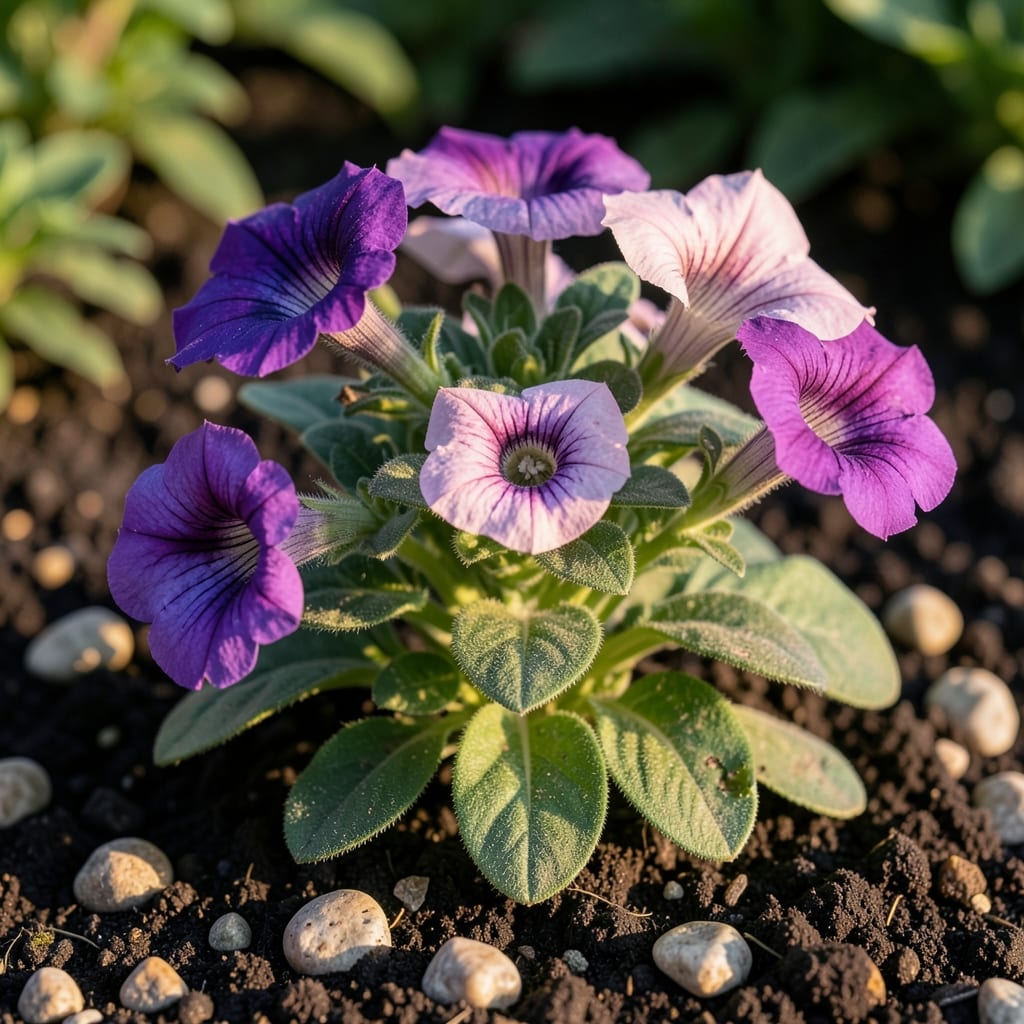
Petunias thrive between 60-85°F during the day and 50-65°F at night. They can tolerate brief cold snaps down to 40°F but will wilt or die in frost. Heat above 90°F may stress them without adequate water.
I’ve noticed these flowers handle temperature swings better than most annuals, but their limits are clear. Below 40°F, their metabolism slows dramatically, and frost is a death sentence. On the flip side, consistent heat over 90°F can scorch leaves and halt blooming unless you’re diligent with water and shade. 🔥
💡 In This Article
Petunias are warm-season plants with enzyme systems that function best between 60-85°F. At these temperatures, chlorophyll production peaks, allowing for vibrant green foliage and maximum photosynthesis. When temperatures drop below 50°F, metabolic processes slow significantly, reducing nutrient uptake and growth rates.
The flowering mechanism is particularly sensitive to heat. Above 90°F, petunias experience heat stress that disrupts hormone balances, particularly gibberellins that regulate bloom formation. This often results in fewer, smaller flowers. The ideal nighttime range of 50-65°F allows plants to recover from daily heat exposure while maintaining consistent bloom cycles.
Root systems show different sensitivity than foliage. While leaves may wilt at 100°F air temperatures, roots begin suffering at soil temps above 80°F. Conversely, roots tolerate brief cold better than leaves, surviving soil temps down to 40°F as long as the crown stays above freezing. This explains why mulching is so effective for cold protection.
What most gardeners don’t realize is that temperature swings of more than 20°F between day and night can stress petunias more than consistent extreme temperatures. These fluctuations disrupt cellular processes, leading to weaker stems and delayed flowering. Maintaining more stable conditions, even within the acceptable range, produces healthier plants with more abundant blooms. 🌟
The pigment production in petunia flowers also depends on temperature. Cooler nights (around 55°F) enhance anthocyanin production, resulting in more vibrant flower colors. This is why petunias often appear more colorful in spring and fall compared to the heat of summer, when the same plants may produce paler blooms despite adequate care.
They can handle brief dips to 40°F, but frost will kill them. Below 50°F, growth slows significantly. Use mulch or coverings for unexpected cold snaps.
Provide afternoon shade with 30-50% shade cloth and water deeply at dawn. Container plants can be moved to cooler spots during peak heat.
Cooler nights around 55°F enhance flower color and bloom production. Extreme heat above 90°F reduces flowering and can scorch leaves.
Yes! Containers let you move plants to optimal spots—full sun in spring or shade in summer. Just ensure they have drainage holes to prevent root rot.