
Beautiful Plants For Your Interior
Beautiful Plants For Your Interior
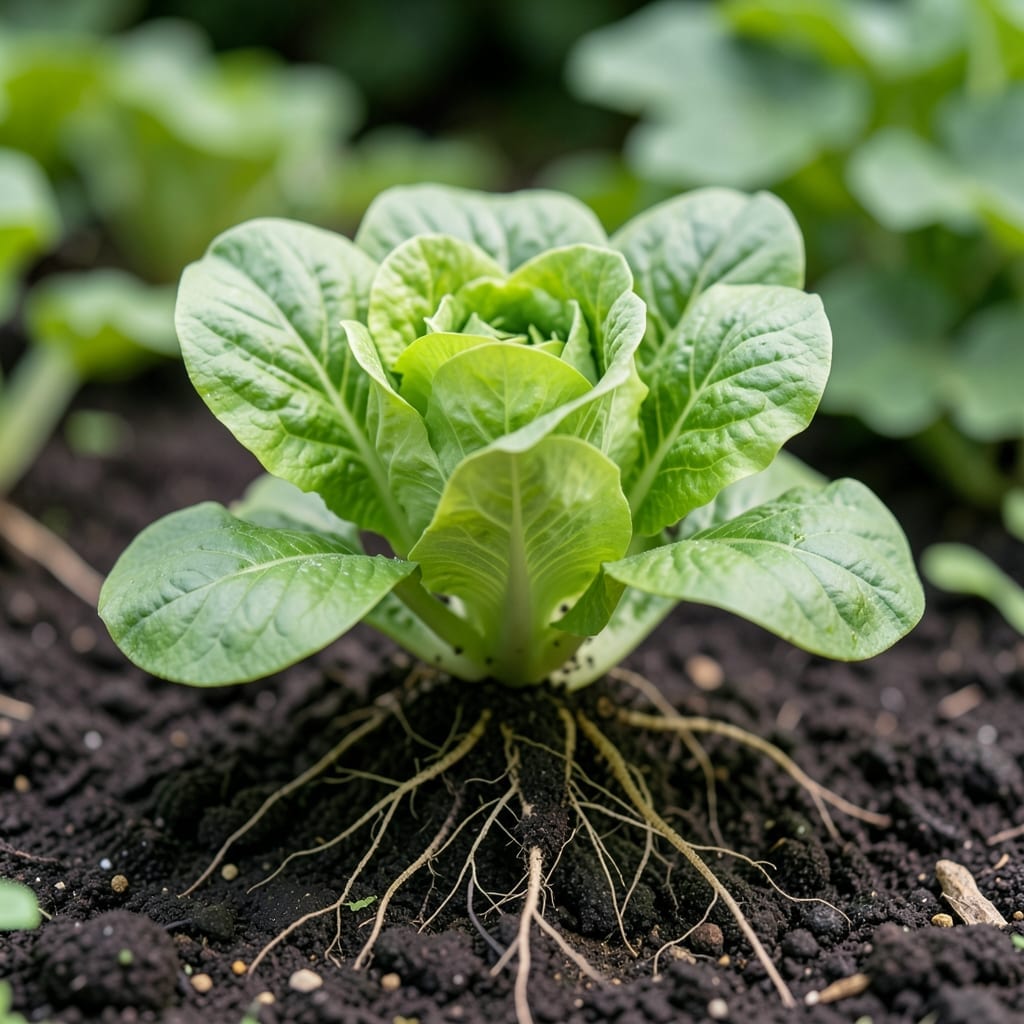
A shallow root system develops when roots grow horizontally near the soil surface, often due to compacted soil, poor drainage, or frequent light watering. This limits nutrient absorption and stability.
I’ve seen this happen most often in urban gardens where foot traffic compacts the soil over time. 🌱 Plants with shallow roots struggle during dry spells or strong winds because they can’t anchor deeply. The good news is you can often fix this by adjusting your watering habits and improving soil structure with organic matter.
💡 In This Article
The primary culprit is often soil compaction, which restricts root penetration. When soil particles are pressed tightly together, roots can’t push downward, forcing them to spread laterally just beneath the surface. This happens frequently in high-traffic areas or clay-heavy soils where density reaches 1.5-1.7 g/cm³. 🔥
Watering habits play a surprisingly large role. Frequent, shallow watering (like 5 minutes daily) trains roots to stay near the surface where moisture is readily available. In contrast, deep watering (1-2 times weekly for 20-30 minutes) encourages roots to grow downward in search of moisture, potentially reaching depths of 12-18 inches or more. ✨
Some plants are genetically predisposed to shallow roots. Grasses and many annual flowers naturally develop fibrous root systems that spread horizontally rather than taproots that dive deep. This adaptation helps them quickly absorb surface moisture in their native environments, like prairies where water is seasonal. 🌟
Poor drainage compounds the problem. In waterlogged soils, roots suffocate from lack of oxygen, forcing them to grow upward toward better aerated zones. This is why you’ll often see plants with shallow roots in areas with hardpan layers or compacted subsoil that prevents proper drainage. ⚡
Even container gardening can create shallow root systems. When roots hit the bottom of a pot, they begin circling horizontally—a phenomenon called “root binding.” This is why professional growers recommend pots at least 12 inches deep for most perennials to prevent this restrictive growth pattern. 💫
Compacted soil is the main reason, as dense earth blocks downward growth. Frequent shallow watering also trains roots to stay near the top where moisture collects easily.
Yes! Try root pruning by cutting surface roots 6-8 inches from the base. This encourages new growth to push deeper into the soil.
Pots shallower than 12 inches force roots to circle horizontally. Always choose deeper containers to allow natural downward expansion.
Grasses and many annual flowers develop fibrous systems that spread outward. These evolved to quickly absorb surface moisture in their native habitats.