
Beautiful Plants For Your Interior
Beautiful Plants For Your Interior
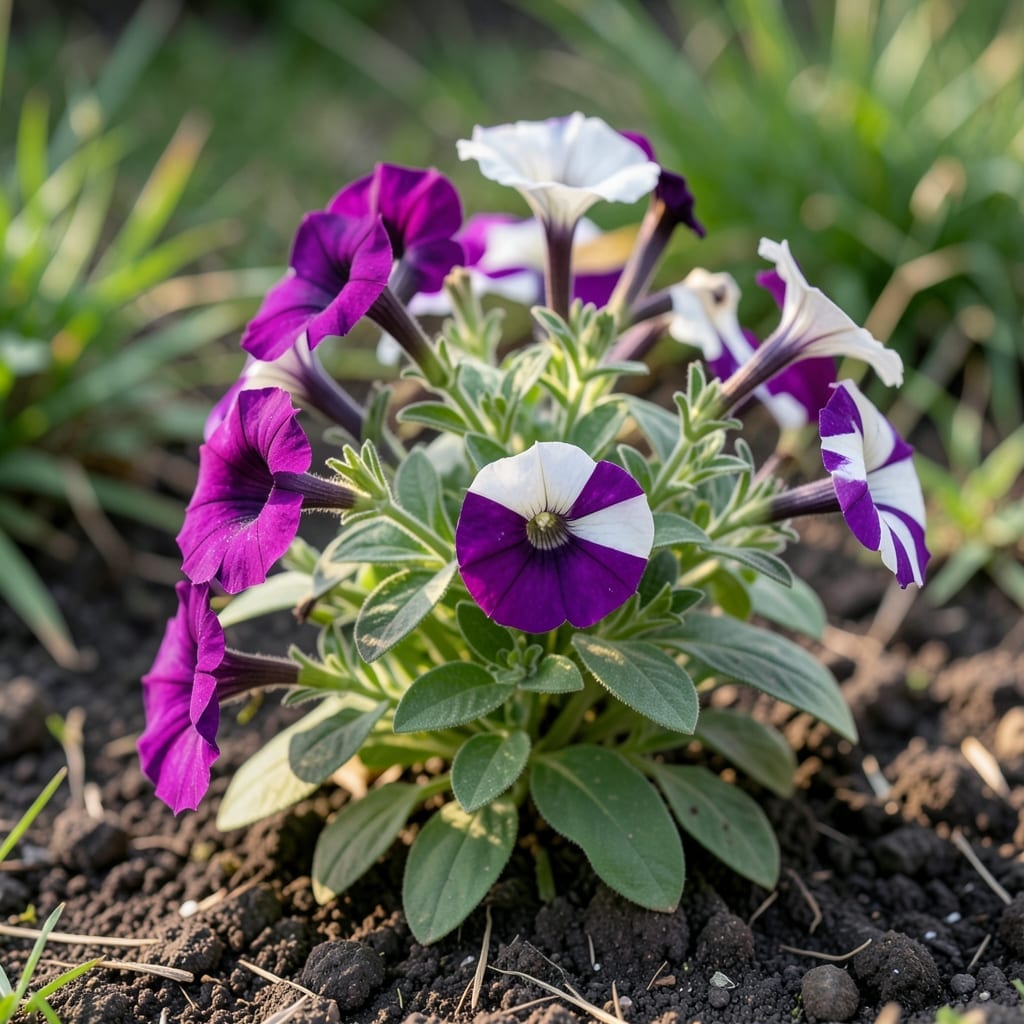
Petunia leaves tell stories if you know how to read them. I’ve learned that yellow edges often mean thirst, while brown spots usually signal too much water or a sneaky fungus.
The patterns are consistent: purple veins scream nutrient deficiency, sticky residue whispers of aphid parties, and wilting during cool evenings might just be normal behavior.
Once you spot these clues, solutions become obvious. Adjust watering, add fertilizer, or introduce beneficial insects. Your petunias will bounce back faster than you’d expect.
This skill turns every gardener into a plant detective. 24-48 hours of observation often reveals exactly what your petunias need to thrive again.
Petunia leaves act as natural indicators of plant health, and their changes often signal underlying issues. Understanding the causes helps you address problems early. Below are the most common reasons:
Overwatering or underwatering disrupts the plant’s ability to absorb nutrients. Wilting, yellowing, or drooping leaves often indicate water stress. Overwatering leads to root rot, while underwatering causes dry, crispy edges. Check soil moisture 1-2 inches deep—it should feel slightly damp, not soggy or bone-dry.
Petunias are heavy feeders and require balanced nutrition. Pale or yellow leaves (chlorosis) often signal nitrogen deficiency, while purple-tinged leaves may indicate phosphorus scarcity. A lack of potassium can cause brown leaf edges. Use a water-soluble fertilizer with an NPK ratio of 10-10-10 or 20-20-20 every 2-3 weeks.
Common pests like aphids, spider mites, and whiteflies suck sap from leaves, leading to stippling, curling, or sticky residue (honeydew). Inspect the undersides of leaves for tiny insects or webbing. Treat with neem oil or insecticidal soap to prevent further damage.
High humidity or poor air circulation fosters diseases like powdery mildew (white coating) or botrytis (gray mold). Brown spots or lesions may indicate bacterial leaf spot. Improve airflow, avoid overhead watering, and apply copper-based fungicides if needed.
Too much direct sunlight can scorch leaves, causing brown, crispy patches, while insufficient light leads to leggy growth and pale foliage. Petunias thrive in 6-8 hours of sunlight daily. If temperatures drop below 40°F (4°C), leaves may turn yellow or black due to cold shock.
When petunia leaves signal trouble, quick action can restore your plant’s health. Below are targeted fixes for common leaf indicators, paired with prevention tips to keep your garden thriving.
If leaves turn pale yellow, especially between veins, your petunia likely lacks iron or nitrogen. Fix: Apply a balanced, water-soluble fertilizer (10-10-10) or a chelated iron supplement. For organic gardens, mix compost or well-rotted manure into the soil.
Prevention: Test soil pH (aim for 6.0–7.0) and fertilize every 2–3 weeks during growing season. 💡 Pro tip: Avoid overwatering, which can flush out nutrients.
Drooping leaves or crispy brown edges often mean under- or overwatering. Fix: Check soil moisture 1 inch deep—water if dry, or let soil drain if soggy. Mulch around the base to retain moisture.
Prevention: Water deeply 1–2 times weekly (early morning) and use pots with drainage holes. ⏰ Pro tip: Self-watering containers can prevent inconsistency.
Chewed leaves or tiny spots? Slugs, aphids, or Japanese beetles may be to blame. Fix: Handpick pests or spray with neem oil or insecticidal soap. For slugs, set out beer traps or diatomaceous earth.
Prevention: Encourage beneficial insects (ladybugs, lacewings) and rotate plant locations yearly. 🎯 Pro tip: Inspect leaves weekly for early signs.
Black, mushy leaves often result from frost damage or fungal infections like botrytis. Fix: Prune affected leaves and improve air circulation. For fungus, apply a copper-based fungicide.
Prevention: Cover plants during cold snaps and space them 12–18 inches apart. ✨ Pro tip: Avoid overhead watering to reduce fungal spores.
Yellow edges often signal nutrient deficiency, usually nitrogen or iron. Test soil pH and apply a balanced 10-10-10 fertilizer or iron supplement. Avoid overwatering, which can wash away nutrients.
Brown spots typically indicate fungal disease or overhead watering. Improve airflow, switch to drip irrigation, and apply a copper-based fungicide if needed. Remove affected leaves promptly.
Sticky residue is usually honeydew from pests like aphids. Inspect leaf undersides and treat with neem oil or insecticidal soap. Encourage ladybugs as natural predators.