
Beautiful Plants For Your Interior
Beautiful Plants For Your Interior
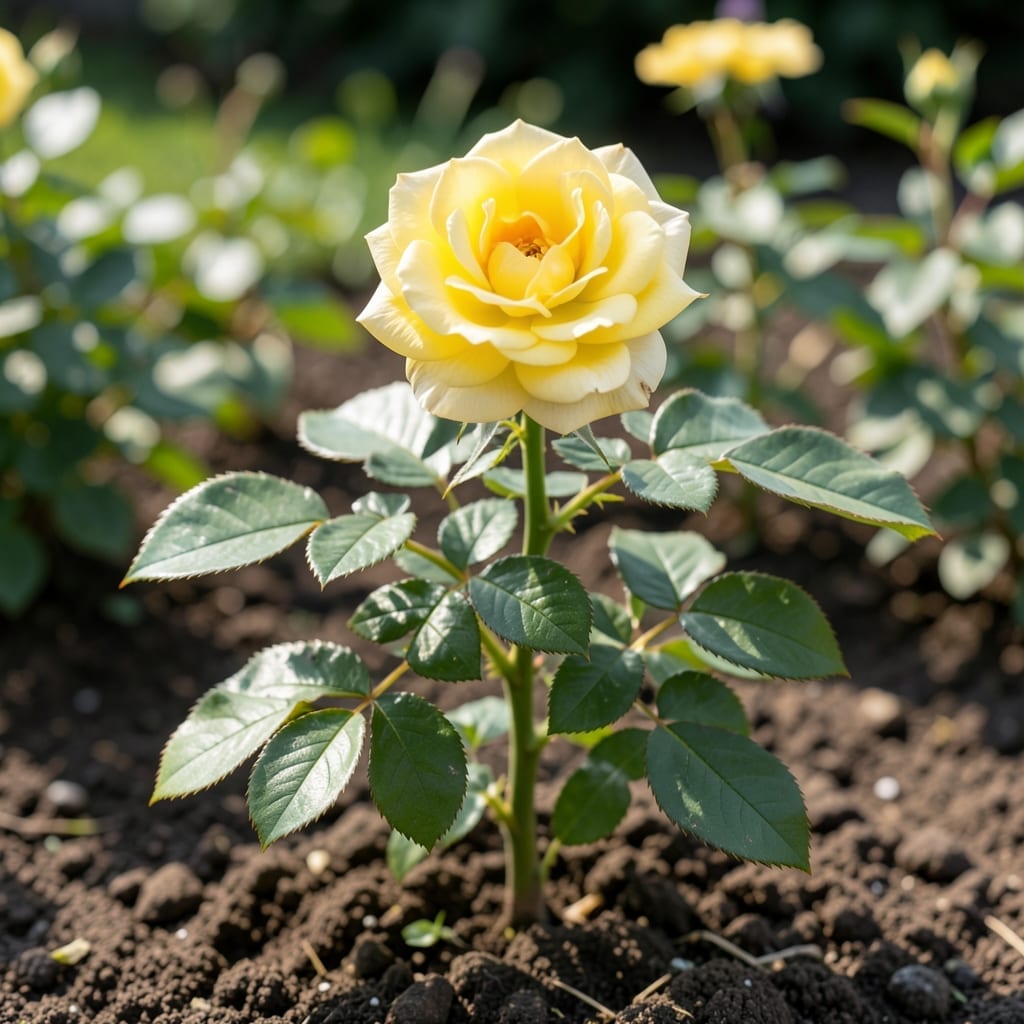
That first whiff of Persian yellow rose stops me every time. 🌟 No other bloom carries that rich, honeyed fragrance while glowing like captured sunshine in your garden.
I planted mine in a sun-drenched spot with well-draining soil, and they rewarded me with blooms from late spring through fall. These roses thrive in 6-8 hours of daily light and handle heat better than most hybrids.
Water deeply twice weekly during dry spells, and you’ll see buds forming faster than you expect. The petals open to reveal a buttery yellow so vibrant it looks dyed.
Perfect for cutting, borders, or that one showstopping spot where you want color and scent year after year.
The vibrant yellow pigmentation in Persian yellow roses is primarily due to the presence of carotenoids, a class of natural pigments. These compounds are synthesized in the petals through a biochemical pathway influenced by genetic and environmental factors.
Certain genes control the production of carotenoids, including lycopene and beta-carotene. Varieties of roses bred for yellow hues often have mutations or enhanced expression of these genes, leading to higher carotenoid concentrations. Selective breeding over generations has reinforced this trait in Persian yellow roses.
Sunlight acts as a catalyst for carotenoid synthesis. Adequate exposure to sunlight, particularly during the budding stage, boosts the production of these pigments. Insufficient light may result in paler blooms, as the biochemical pathways responsible for color development are less active.
Temperature plays a role in pigment intensity. Cooler temperatures can enhance carotenoid stability, leading to deeper yellow shades, while excessive heat may degrade these pigments, causing the color to fade. Persian yellow roses thrive in moderate climates where temperature fluctuations are minimal.
The availability of nutrients in the soil, particularly potassium and phosphorus, supports the metabolic processes involved in pigment production. A well-balanced fertilizer can promote vibrant yellow blooms, whereas nutrient deficiencies may lead to duller colors.
If your Persian yellow rose is struggling, don’t worry—most issues can be fixed with a little care. Below are practical solutions for common problems, along with tips to keep your blooms thriving.
Cause: Overwatering or poor drainage can lead to root rot, turning leaves yellow. Fix: Let the soil dry out between waterings. Ensure pots have drainage holes, and use well-draining soil. If root rot is severe, trim affected roots and repot in fresh soil.
Prevention tip: 💡 Water only when the top inch of soil feels dry. Early morning watering helps prevent fungal growth.
Cause: Aphids, spider mites, or thrips may attack weak plants. Fix: Spray leaves with a mix of water and mild soap to dislodge pests. For stubborn cases, use neem oil or insecticidal soap. Remove heavily infested leaves to prevent spread.
Prevention tip: 🎯 Encourage beneficial insects like ladybugs, and keep the area around your rose clean and free of debris.
Cause: Insufficient sunlight or improper pruning can reduce flowering. Fix: Move your rose to a spot with at least 6 hours of sunlight daily. Prune dead or weak stems in early spring to encourage new growth and more blooms.
Prevention tip: ✨ Fertilize with a balanced rose food every 4-6 weeks during the growing season to promote healthy blooms.
Cause: Fungal diseases like black spot thrive in wet, humid conditions. Fix: Remove infected leaves immediately and avoid overhead watering. Apply a fungicide labeled for roses, following package instructions.
Prevention tip: 🌡️ Space plants for good air circulation, and water at the base to keep foliage dry.
Water deeply 2-3 times per week during dry spells. Always check that the top 1-2 inches of soil are dry before watering again to prevent root rot.
Use well-draining, loamy soil with a pH of 6.0-6.5. Mix in compost for nutrients. Avoid heavy clay as it retains too much moisture.
Pale blooms often mean insufficient sunlight or nutrient deficiency. Ensure 6-8 hours of direct sunlight daily and fertilize with potassium-rich food.
Yes, but choose a container at least 18-24 inches deep with drainage holes. Dwarf varieties thrive best in pots.