
Beautiful Plants For Your Interior
Beautiful Plants For Your Interior
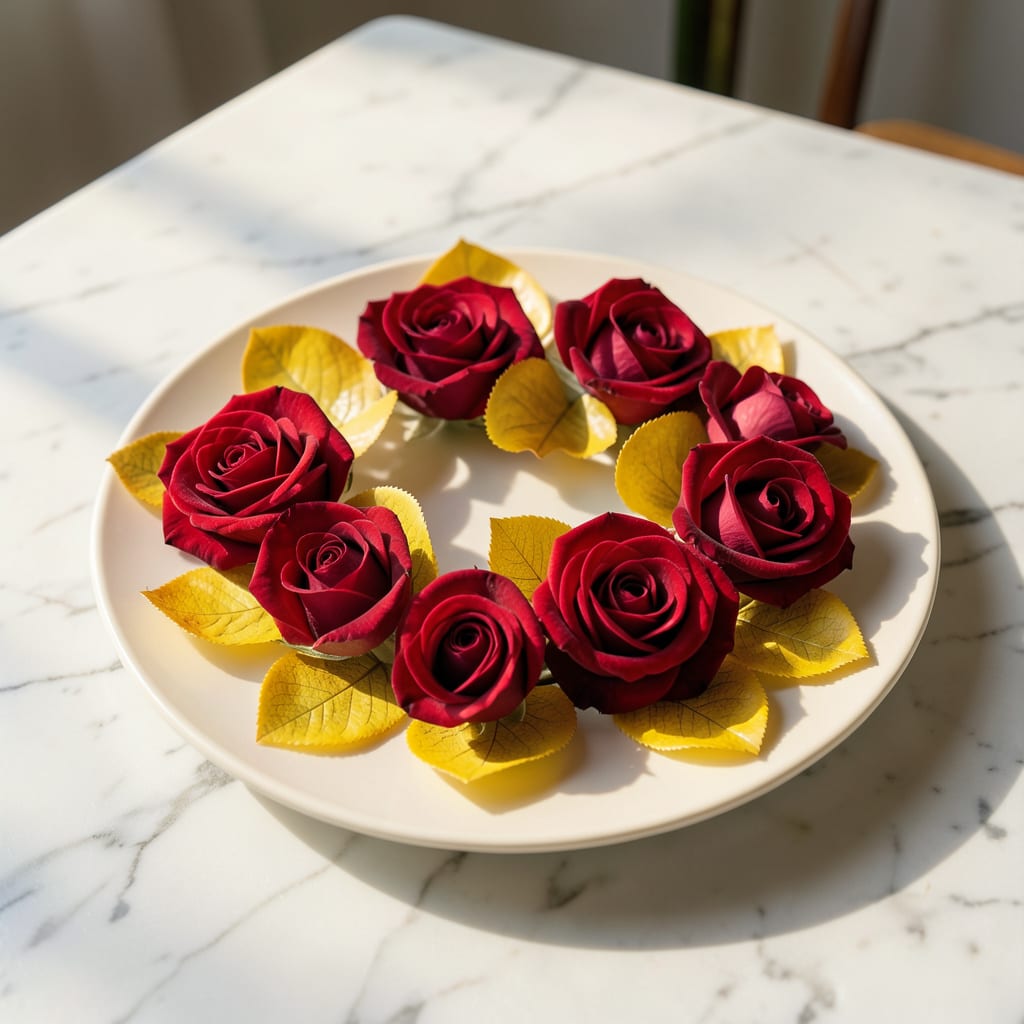
Nothing kills the joy of rose season like watching leaves turn yellow. I’ve seen it happen overnight—vibrant green foliage fading to sickly pale yellow, and the panic that follows.
Here’s the thing—it’s usually not one dramatic problem but a combination of small stresses. Too much water, not enough nutrients, or sneaky pests all show up the same way at first.
Fix the root cause and you’ll see new growth returning to rich green within 2-3 weeks. The blooms come back stronger, the plant recovers faster, and you avoid the cycle of frustration.
Works for all rose types, from climbers to shrubs. Let’s get those leaves green again.
Yellow leaves on roses often signal an underlying issue that disrupts their health. Understanding the root causes can help you address the problem effectively. Below are the most common reasons, explained with actionable insights.
Excess water suffocates rose roots, preventing oxygen uptake and leading to root rot. Fungi like Phytophthora thrive in soggy soil, causing leaves to turn yellow and wilt. Ensure pots have drainage holes, and water only when the top inch of soil feels dry.
A lack of essential nutrients—particularly nitrogen, magnesium, or iron—triggers chlorosis (yellowing). Nitrogen deficiency starts in older leaves, while iron shortage affects new growth. Test soil pH (ideal: 6.0–6.5) and amend with balanced fertilizer or iron chelates if needed.
Extreme heat, cold drafts, or sudden temperature swings stress roses, causing leaf discoloration. Protect plants with mulch in winter and shade cloth in summer. Consistent conditions prevent physiological stress responses.
Sap-sucking pests like aphids, spider mites, or thrips drain nutrients, leading to yellow, mottled foliage. Inspect leaf undersides and treat with neem oil or insecticidal soap at first signs of damage.
Pathogens such as black spot (Diplocarpon rosae) or powdery mildew disrupt photosynthesis, causing yellow patches. Improve air circulation, avoid overhead watering, and apply fungicides like copper or sulfur preventatively.
Once you’ve identified the cause, these targeted fixes will help restore your roses’ vibrant green leaves and healthy growth.
If yellowing starts between leaf veins (interveinal chlorosis), your roses likely need iron or magnesium. Use a chelated iron supplement for iron deficiency or Epsom salt (1 tablespoon per gallon of water) for magnesium. For general nutrient lack, apply a balanced rose fertilizer (10-10-10) every 4-6 weeks during growing season.
Prevention tip: 💡 Test soil annually and amend with compost for long-term nutrient richness.
Let the soil dry slightly between waterings—stick your finger 2 inches deep to check moisture. If the soil is soggy, improve drainage by mixing in perlite or sand. For potted roses, ensure containers have drainage holes.
Prevention tip: 🌧️ Water deeply but only when the topsoil feels dry, and avoid wetting the leaves to prevent fungal issues.
For aphids or spider mites, spray leaves with a mix of 1 teaspoon mild soap and 1 quart water. For stubborn pests, use neem oil (follow label instructions). Remove heavily infested leaves and dispose of them in sealed bags.
Prevention tip: 🛡️ Encourage beneficial insects like ladybugs by planting companion flowers like marigolds.
Remove yellow or black-spotted leaves immediately and dispose of them (don’t compost!). Apply a fungicide (copper-based or sulfur-based) every 7-10 days until the issue clears. Space plants for good airflow to reduce humidity.
Prevention tip: ✨ Water at the base of the plant in the morning so leaves dry quickly.
If extreme heat or cold is the culprit, provide shade cloth for scorching sun or mulch to insulate roots in winter. Transplant roses to a more sheltered spot if needed.
Prevention tip: 🌡️ Acclimate roses gradually to temperature changes, especially after repotting.
Water deeply 1-2 times per week, letting the top 2 inches of soil dry between waterings. Overwatering is a common cause of yellow leaves, so always check moisture first.
Once a leaf turns yellow, it won’t recover. Focus on fixing the root cause—new growth will return to vibrant green within 2-3 weeks if conditions improve.
For iron deficiency, use chelated iron for quick absorption. For magnesium, dissolve 1 tablespoon Epsom salt per gallon and spray on leaves. Results appear in 5-7 days.
Yes, prune yellow or spotted leaves right away to prevent disease spread. Dispose of them in sealed bags—never compost infected foliage.
